doimoigroup

Author: doimoi

  • Améliorer sa foulée débutant : 6 erreurs posturales à corriger

    Tu fais tes premiers kilomètres, tu es motivé, mais après vingt minutes tu as déjà mal aux genoux ou dans le bas du dos. Pourtant tu ne cours pas vite, tu ne cours pas loin. Le problème vient souvent d’une seule chose : ta façon de courir, pas ta condition physique.

    Voici les six erreurs de foulée les plus communes chez les débutants, et comment les corriger concrètement.
    Tu regardes le sol 👀

    C’est l’erreur numéro un. Quand on manque de confiance, on baisse les yeux naturellement. Résultat : le menton tombe, les épaules s’arrondissent vers l’avant, et toute la chaîne posturale s’effondre.

    Ton regard doit se poser à environ 10 à 15 mètres devant toi, pas sous tes pieds. Imagine une ligne invisible à l’horizon et fixe-la. Ta nuque se redresse toute seule, tes épaules suivent.

    Test rapide : colle un post-it “tête droite” sur ton téléphone avant de sortir courir. Ça semble bête, mais ça suffit à ancrer le réflexe en deux ou trois sorties.
    Tes épaules remontent vers les oreilles 😬

    Plus tu te fatigues, plus tes épaules montent. C’est un réflexe de tension, et il coûte énormément d’énergie inutilement. Des épaules crispées bloquent aussi ta respiration.

    La règle simple : tes épaules doivent rester basses et détendues, comme si tu portais les bras dans le vide. Secoue les mains toutes les cinq minutes pendant ta course pour relâcher la tension accumulée.

    A runner on a snowy winter morning with visible breath in cold air

    Un autre signe à surveiller : si tes poings sont serrés, tes épaules le sont aussi. Cours comme si tu tenais une chips entre chaque pouce et index sans la casser.
    Tu talonne trop fort 🦶

    Le talon strike, c’est quand ton pied atterrit loin devant ton corps, talon en premier. C’est la source principale de douleurs aux genoux et aux tibias chez les débutants.

    La raison ? En atterrissant le talon loin devant toi, tu crées un effet de frein à chaque pas. Tu te bats littéralement contre toi-même.

    L’objectif est un appui mid-foot, c’est-à-dire que le milieu du pied touche le sol juste sous ton centre de gravité. Pour y arriver, fais des petits pas plutôt que de grandes enjambées. Une cadence cible de 170 à 180 pas par minute naturellement corrige le problème. Compte tes pas sur 30 secondes et multiplie par 4, tu sauras où tu en es.
    Tu penches le buste en arrière 🙃

    Beaucoup de débutants courent avec le buste légèrement incliné vers l’arrière, surtout en montée ou quand ils sont fatigués. Cette position force les quadriceps à travailler deux fois plus pour avancer.

    La bonne posture : une légère inclinaison vers l’avant, depuis les chevilles, pas depuis la taille. Ce n’est pas grand chose, environ 5 degrés. Pense à “tomber en avant” plutôt qu’à pousser avec les jambes.

    A person crossing a marathon finish line with arms raised in celebration

    Si tu te penches depuis la taille, c’est différent et aussi négatif : ça comprime le ventre et perturbe ta respiration. Le mouvement doit venir de ta cheville, ton corps entier forme une légère diagonale.
    Tes bras font n’importe quoi 🙌

    Les bras ne sont pas passifs pendant la course. Ils aident à équilibrer ta foulée et à maintenir ta cadence. Deux erreurs reviennent souvent.

    La première : les bras croisent devant le corps, de gauche à droite. Ce mouvement en rotation fait pivoter les hanches et gaspille de l’énergie. Tes bras doivent aller d’avant en arrière uniquement, dans l’axe de ta course.

    La deuxième : les coudes sont tendus ou trop écartés. Garde les coudes à environ 90 degrés, près du corps. Le mouvement part de l’épaule, pas du poignet.
    Tu ne respires pas au bon rythme 😮‍💨

    La respiration fait partie de la technique de course, pas juste du cardio. Une respiration anarchique crée des points de côté et amplifie les tensions posturales.

    Le rythme le plus efficace pour un débutant : inspirer sur 3 pas, expirer sur 2 pas. Ça s’appelle le rythme 3-2. Tu n’as pas à t’y tenir parfaitement, mais l’avoir en tête structure ta course.

    Close-up of running shoes on an athletic track with golden hour lighting

    Respire par la bouche et le nez simultanément. Pas seulement par le nez, c’est insuffisant dès que l’effort monte. Et si tu as un point de côté, expire fort sur le pied du côté opposé à la douleur, ça soulage en quelques secondes.

    Comment tout mettre en pratique sans se noyer 🎯

    Ne cherche pas à tout corriger en une seule sortie. Ton cerveau et ton corps ne peuvent pas intégrer six corrections à la fois.

    La méthode qui marche : concentre-toi sur un seul point par sortie. Lundi : la tête haute. Mercredi : les épaules basses. Vendredi : la cadence. En trois semaines, ces six éléments deviennent automatiques.

    Un bon outil pour suivre tes progrès, c’est d’analyser ton rythme et ton allure sur chaque sortie. Des apps comme Geowill permettent de voir ta cadence, ton pace par segment et ton évolution mensuelle. Quand tu vois les chiffres changer au fil des semaines, ça renforce vraiment la motivation à continuer.

    L’essentiel à retenir : améliorer sa foulée, ce n’est pas une question de talent naturel. C’est une série de petits ajustements conscients que tu répètes jusqu’à ce qu’ils deviennent des réflexes. Commence par la tête haute et les épaules basses dès ce soir, et le reste suivra.

    🏃 Donnez du sens à votre course

    Calculez votre allure cible avec notre outil gratuit et suivez chaque course avec Geowill.

    Ouvrir le calculateur d’allure gratuit →

  • Why You Quit Running After 3 Weeks (And How Habit Stacking Fixes It)

    You downloaded a running app on January 2nd. You ran four times that first week. You felt genuinely good about yourself.

    Then week three hit, and suddenly you just… stopped.

    If that sounds familiar, you are not weak-willed. You fell into a trap that catches almost every new runner, and there is a very specific reason it happens at exactly the three-week mark.

    Why Week Three Is the Actual Enemy 😤

    The first two weeks of a new running habit run on excitement. Your brain is flooded with novelty dopamine. The new shoes feel fresh. Logging that first kilometer feels like a win. You do not need discipline yet because enthusiasm is doing the heavy lifting.

    Around day 18 to 21, the novelty wears off. Your brain has categorized running as “familiar” and stops releasing that excitement hit. But the habit is not yet automatic either. Neuroscience research suggests it takes an average of 66 days — not the famous 21 — for a behavior to become truly automatic.

    So week three is the dead zone. The excitement is gone, and the autopilot has not kicked in yet. You are running on pure willpower, which is the least reliable fuel there is.

    The Willpower Trap Nobody Talks About 🧠

    Most running advice tells you to just “stay motivated.” That is terrible advice because motivation is an emotion, and emotions are inconsistent.

    A solo runner on a wooden boardwalk along the sea coast at sunrise, peaceful atmosphere

    Willpower is also a limited resource. Studies by Roy Baumeister at Florida State University showed that self-control draws from the same mental energy you use for every decision you make all day. By 8 PM, after a full workday, your willpower tank is nearly empty.

    This is why setting a goal like “I will run every day after work” collapses so reliably. You are scheduling your hardest habit at your lowest-energy moment and expecting willpower to save you.

    The fix is not more motivation. The fix is removing the need for motivation entirely.

    What Habit Stacking Actually Is (And Why It Works) 🔗

    Habit stacking is a term popularized by James Clear in Atomic Habits. The core idea is simple: attach a new habit to one that already runs on autopilot.

    Your existing habits do not require willpower because they are already wired into your neural pathways. When you wake up, you probably make coffee without consciously deciding to. When you get home, you probably change out of work clothes within minutes. These are anchors.

    The formula is: “After I do X, I will do Y.”

    A real example: “After I pour my morning coffee, I put on my running clothes immediately.” You are not committing to a run yet. You are just committing to changing clothes. That is tiny enough that your brain does not resist it.

    But here is the key insight most people miss. The stack needs a concrete, zero-ambiguity trigger. “After I feel like it” is not a trigger. “After I close my laptop at 6 PM” is a trigger. The more specific the anchor, the more reliable the chain.

    A runner tying shoelaces before a morning run, intimate close-up of hands

    Building Your Personal Running Stack in 3 Steps 🏗️

    Step one: identify your strongest existing anchor. This should be something you do every single day without thinking. Morning coffee, brushing your teeth, eating lunch, closing your laptop. Pick the one that happens at the time of day when your energy is best for running.

    Step two: design the smallest possible first action. Do not stack “go for a 5K run.” Stack “put on running shoes.” That is it. The shoes go on, and then you decide. Most days, you will just go. The friction was never the run itself — it was the gap between the couch and the door.

    Step three: add a sensory reward immediately after. Not a cheat meal. Something fast and real. A specific playlist you only hear while running. Checking a neighborhood leaderboard. Watching your route trace itself on a map. The reward needs to arrive within seconds of finishing, not hours later, because your brain links cause and effect based on immediacy.

    Apps like Geowill use GPS-based treasure hunts to create exactly this kind of immediate, tangible reward after a run — turning your neighborhood into a game that refreshes the novelty your brain was craving in week three. That is not an accident. It is applied habit psychology built into the product design.

    The 2-Day Rule That Prevents the Spiral 📅

    Even with a solid habit stack, you will miss a day. Life happens. The mistake is letting one missed day become two, then five, then “I guess I’m not a runner.”

    The 2-day rule is this: never miss twice in a row. One missed day is an interruption. Two missed days is the start of a new habit — the habit of not running.

    A nighttime runner with glowing city lights and bokeh in the background

    On the day you know you will miss, do something symbolic and tiny instead. Walk around the block. Do five minutes of stretching while listening to your running playlist. This keeps the neural pathway active. Your brain still registers that the cue-behavior chain happened, even if the behavior was scaled down to almost nothing.

    The streak is not the point. The identity is. Every tiny action is a vote for the version of you that runs. Even a one-minute walk counts as a vote.

    The Real Reason You Will Stick This Time 🏁

    Quitting after three weeks is not a character flaw. It is what happens when you rely on motivation and willpower to carry a habit that has not yet been wired into your brain.

    Habit stacking works because it borrows the neural momentum of something already automatic. The anchor does the heavy lifting. Your only job is to keep the chain tight, protect the two-day rule, and engineer a reward that arrives fast enough for your brain to care.

    The runners who stick are not the most disciplined people in the room. They are the ones who made running the path of least resistance, not the obstacle that requires maximum effort.

    Build the stack. Make it small. Make the reward immediate. Show up for 66 days.

    The habit will eventually run itself.

    🏃 Make today’s run count

    Set your target pace with our free calculator, then track every run with Geowill.

    Open the free Pace Calculator →

  • AI가 내 페이스 데이터를 분석해 맞춤 훈련 강도를 자동으로 조정하는 원리

    5km를 뛰었는데 평소보다 훨씬 힘들었던 날, 있잖아요.
    날씨도 비슷하고 거리도 같은데 왜인지 페이스가 뚝뚝 떨어졌던 그 날.
    AI 러닝 코치는 바로 그 순간의 데이터를 가장 주목해요.

    🏃 페이스 데이터가 뭔지부터 짚고 가요

    페이스 데이터는 단순히 “1킬로 몇 분”이 아니에요.
    구간별 페이스 변화, 심박수 변동, 고도 차이, 그날의 기상 조건까지 모두 묶인 복합 신호예요.

    AI는 이 신호를 한꺼번에 읽어요.
    예를 들어 평소 5분 30초 페이스를 유지하다가 4km 지점부터 6분 10초로 떨어졌다면, AI는 “후반 체력 고갈 패턴”으로 분류해요.
    이 분류 자체가 다음 훈련 계획의 출발점이 돼요.

    📊 AI는 데이터를 어떻게 읽을까요

    AI 러닝 코치의 핵심은 LLM(대형 언어 모델)과 운동 생리학 지식의 결합이에요.
    단순히 평균 페이스를 계산하는 게 아니라, 여러 달의 기록에서 패턴을 추출해요.

    구체적으로 이런 식이에요.

    A solo runner on a wooden boardwalk along the sea coast at sunrise, peaceful atmosphere

    첫째, 훈련 부하 계산이에요.
    운동 강도와 시간을 곱한 값, 즉 훈련 스트레스 점수를 매일 누적해서 봐요.
    이 수치가 너무 빠르게 올라가면 부상 위험 신호로 판단해요.

    둘째, 심박 효율 분석이에요.
    같은 페이스인데 심박수가 지난주보다 높다면, 신체가 아직 회복 중이라는 신호예요.
    AI는 이걸 보고 그날 훈련 강도를 낮추도록 제안해요.

    셋째, 페이스 일관성 측정이에요.
    10km를 뛸 때 전반과 후반의 페이스 차이가 클수록 유산소 효율이 낮다는 뜻이에요.
    이 패턴이 반복되면 AI는 장거리 천천히 달리는 훈련, 즉 Easy Run 비중을 늘려줘요.

    ⚙️ 훈련 강도를 자동 조정하는 구체적인 메커니즘

    AI가 “오늘은 쉽게 뛰세요”라고 말하는 데는 수치 기준이 있어요.

    가장 많이 쓰이는 기준은 페이스 존이에요.
    최대 심박수 기반으로 존 1부터 존 5까지 나뉘는데, 각 존에 달리는 시간을 어떻게 배분하느냐가 훈련의 질을 결정해요.
    예를 들어 초보 러너는 한 주 훈련의 80%를 존 1~2에서, 나머지 20%를 존 4~5에서 소화하는 게 이상적이에요.

    AI는 내 최근 기록을 보고 이 비율이 무너졌는지 확인해요.
    매일 존 4 이상으로 달렸다면 다음 이틀은 존 2 이하로만 뛰도록 자동 조정해요.
    이게 “오버트레이닝을 막는다”는 말의 실제 내용이에요.

    A person crossing a marathon finish line with arms raised in celebration

    인터벌 훈련 조정도 같은 방식이에요.
    지난 주 400m 인터벌을 1분 50초에 소화했다면, AI는 이번 주 목표를 1분 48초로 2초만 당겨요.
    한 번에 10초씩 당기면 부상 위험이 급등한다는 걸 데이터로 알고 있거든요.

    🔄 단기 조정 vs. 장기 계획, 다르게 작동해요

    AI 코칭은 두 가지 레이어로 움직여요.

    단기 조정은 오늘 또는 이번 주 수준이에요.
    어제 뛴 거리와 강도를 보고 오늘 훈련량을 실시간으로 바꿔줘요.
    심박수가 평소보다 5bpm 이상 높게 시작된다면, 워밍업을 길게 잡고 목표 페이스를 낮추라는 알림이 와요.

    장기 계획은 4~12주 단위예요.
    월별 진척도를 보고 다음 달 훈련 볼륨을 몇 퍼센트 높일지 설계해요.
    일반적으로 주당 총 거리를 10% 이상 늘리지 않는 게 안전선인데, AI는 이 규칙을 개인 데이터에 맞게 적용해요.

    지오윌(Geowill)의 AI 러닝 코치가 이 두 레이어를 함께 다루는 방식이 흥미로운데, 내 페이스와 기록을 LLM이 직접 분석해서 질문에 답도 해줘요.
    “요즘 왜 이렇게 힘들지?”라고 물으면 최근 3주 데이터를 근거로 구체적인 원인을 짚어줘요.

    A runner on a snowy winter morning with visible breath in cold air

    🎯 그래서 나한테 어떻게 활용하면 될까요

    가장 중요한 건 데이터를 쌓는 거예요.
    AI는 최소 2~3주 분량의 기록이 있어야 의미 있는 패턴을 찾아요.
    처음 일주일은 AI가 아직 나를 모르는 상태라고 생각하면 돼요.

    두 번째로, AI 제안을 무조건 따르기보다 이유를 확인하는 습관이 좋아요.
    “오늘 Easy Run을 권장하는 이유”를 봤을 때 어제 심박 효율이 떨어졌다는 근거가 있다면, 억지로 빠르게 달리는 게 역효과예요.

    세 번째로, 페이스 목표보다 심박 존 목표로 뛰어보세요.
    “5분 30초를 유지해야지”가 아니라 “심박 140~150 사이를 유지해야지”로 기준을 바꾸면, AI 코치의 제안이 훨씬 더 잘 이해돼요.

    AI가 내 페이스 데이터를 분석해 맞춤 훈련 강도를 자동으로 조정하는 원리는 결국 하나예요.
    지금 내 몸 상태가 얼마나 준비됐는지를 숫자로 파악하고, 그 숫자에 딱 맞는 자극만 주는 거예요.
    너무 강하면 부상, 너무 약하면 정체거든요. 그 사이의 좁은 길을 AI가 매일 다시 계산해줘요.

    그게 “천천히 달려도 빨라진다”는 말의 진짜 과학적 근거예요.

    🏃 오늘의 러닝, 숫자로 남겨보세요

    무료 페이스 계산기로 목표 페이스를 잡고, 지오윌(Geowill)로 매일의 달리기를 기록해 보세요.

    무료 페이스 계산기 열기 →

  • Herzfrequenzzonen beim Laufen: Welche Zone verbrennt am meisten Kalorien?

    Du läufst schon seit Wochen regelmäßig, aber die Waage rührt sich kaum. Klingt frustrierend, oder? Vielleicht läufst du einfach in der falschen Herzfrequenzzone.

    Die gute Nachricht: Sobald du verstehst, was in deinem Körper bei verschiedenen Intensitäten passiert, kannst du gezielt steuern, was du verbrennen willst.

    Die fünf Herzfrequenzzonen kurz erklärt 🎯

    Dein Herz schlägt je nach Belastung unterschiedlich schnell. Trainingswissenschaftler teilen diesen Bereich in fünf Zonen ein, basierend auf deiner maximalen Herzfrequenz.

    Die maximale Herzfrequenz schätzt man grob mit der Formel 220 minus dein Alter. Mit 30 Jahren wären das also rund 190 Schläge pro Minute als Maximum.

    Zone 1 liegt bei 50 bis 60 Prozent dieses Wertes. Das ist lockeres Spazierengehen. Zone 2 ist bei 60 bis 70 Prozent, ein entspanntes Dauertempo, bei dem du noch problemlos sprechen kannst. Zone 3 liegt bei 70 bis 80 Prozent, da wird es zügiger. Zone 4 geht von 80 bis 90 Prozent, das ist intensives Laufen. Zone 5 ist alles darüber, also Sprint- und Wettkampftempo.

    Jede Zone hat einen anderen Effekt auf Körper und Kalorienverbrauch. Und genau da wird es interessant.

    Fettverbrennung vs. Kalorienverbrennung — das ist nicht dasselbe ⚡

    Hier liegt das größte Missverständnis beim Laufen überhaupt. Viele denken, maximale Fettverbrennung bedeutet maximalen Kalorienverbrauch. Das stimmt so nicht.

    A diverse group of runners jogging together in a city park, friendly atmosphere

    In Zone 2, also dem gemütlichen Dauerlauf, verbrennt dein Körper prozentual am meisten Fett. Bei niedriger Intensität nutzt er Fettsäuren als Hauptenergiequelle. Das klingt super, hat aber einen Haken.

    Bei langsamer Geschwindigkeit verbrennt du insgesamt weniger Kalorien pro Minute. Du verbrennst zwar mehr Fett, aber in absoluten Zahlen bleibt der Gesamtverbrauch niedriger.

    Ein Beispiel: 30 Minuten in Zone 2 bei 130 Schlägen pro Minute verbrennen für eine 70-Kilogramm-Person etwa 220 bis 250 Kalorien. 30 Minuten in Zone 4 bei 165 Schlägen verbrennen hingegen 350 bis 400 Kalorien. Der Unterschied ist real und merklich.

    Welche Zone verbrennt also wirklich am meisten? 🔥

    Die klare Antwort: Zone 4 verbrennt pro Minute am meisten Kalorien während des Laufens.

    In Zone 4 läufst du bei etwa 80 bis 90 Prozent deiner maximalen Herzfrequenz. Das fühlt sich anstrengend an, du kannst nur noch kurze Sätze sprechen. Der Körper arbeitet auf Hochtouren und zieht Energie aus Kohlenhydraten und Fett gleichzeitig.

    Dazu kommt der sogenannte Nachbrenneffekt, auf Englisch EPOC genannt. Nach intensiven Einheiten in Zone 4 und 5 verbraucht dein Körper noch Stunden danach mehr Sauerstoff und damit mehr Kalorien als nach einem gemütlichen Lauf.

    Konkret bedeutet das: Nach einer intensiven 30-Minuten-Einheit kannst du mit bis zu 100 zusätzlichen Kalorien rechnen, die dein Körper in den folgenden sechs bis acht Stunden noch verbrennt.

    Aerial view of a single runner on a winding countryside road

    Aber Moment — Zone 2 ist trotzdem unverzichtbar 🧡

    Zone 2 klingt jetzt nach Zeitverschwendung, ist es aber absolut nicht.

    Erstens schützt du in Zone 2 deine Gelenke und Muskeln vor Überlastung. Wer jeden Lauf in Zone 4 verbringt, landet schnell mit Knieschmerzen auf dem Sofa.

    Zweitens verbessert regelmäßiges Training in Zone 2 deine aerobe Basis. Das heißt: Mit der Zeit kannst du in höheren Zonen länger durchhalten und verbrennst insgesamt mehr.

    Drittens haben Langzeitstudien gezeigt, dass das sogenannte 80-20-Prinzip bei Ausdauersportlern am besten funktioniert. 80 Prozent der Läufe in Zone 1 und 2, 20 Prozent in Zone 4 und 5. Dieses Verhältnis nutzen Marathonläufer aller Leistungsstufen.

    Die maximale Kalorienverbrennung kommt also nicht aus einem einzigen intensiven Lauf. Sie kommt aus einem klugen Mix, der dich langfristig laufen lässt.

    So setzt du das konkret um 🏃

    Statt theoretisch über Zonen nachzudenken, hilft ein einfacher Wochenplan.

    A runner checking their watch mid-run with focused expression

    Drei Läufe pro Woche sind realistisch. Zwei davon sind Zone-2-Läufe, rund 30 bis 40 Minuten, bei denen du dich noch unterhalten könntest. Der dritte Lauf ist ein Intervalltraining in Zone 4.

    Beim Intervalltraining läufst du zum Beispiel vier Mal vier Minuten in Zone 4, jeweils mit zwei Minuten lockerem Traben dazwischen. Das dauert insgesamt knapp 30 Minuten und triggert den Nachbrenneffekt sehr effektiv.

    Um deine Herzfrequenz im Blick zu behalten, reicht eine günstige Sportuhr oder sogar eine App, die deinen Puls per GPS-Daten und Bewegungsmustern einschätzt. Apps wie Geowill zeigen dir zum Beispiel deine Pulszone und Intervallzeiten direkt während des Laufs an, was gerade für Einsteiger sehr hilfreich ist.

    Wichtig dabei: Geh in den ersten zwei Wochen nicht zu früh in Zone 4. Lass deinem Körper Zeit, sich anzupassen.

    Das Fazit für deinen nächsten Lauf 💡

    Herzfrequenzzonen beim Laufen sind keine Raketenwissenschaft. Der Schlüssel ist zu verstehen, dass Fettverbrennung und Kalorienverbrennung zwei verschiedene Dinge sind.

    Zone 4 verbrennt die meisten Kalorien pro Minute und aktiviert den Nachbrenneffekt. Zone 2 baut deine Basis auf und hält dich verletzungsfrei. Beides zusammen ist die wirksamste Strategie.

    Wenn du bisher immer im gleichen Tempo gejoggt bist und dich gefragt hast, warum sich nichts verändert, hast du jetzt die Antwort. Probier beim nächsten Lauf einfach mal zwei Minuten bewusst schneller zu laufen, bis es sich richtig anstrengend anfühlt. Dein Körper wird den Unterschied merken.

    🏃 Mach deinen Lauf messbar

    Berechne dein Ziel-Tempo mit unserem kostenlosen Rechner und tracke jeden Lauf mit Geowill.

    Kostenlosen Pace-Rechner öffnen →

  • ランニング初心者が陥る「ペース設定の罠」—データなしで走ると失敗する理由

    「なんでこんなにすぐ疲れるんだろう…」

    最初のランニング、1kmも走らないうちに息が上がった経験、ありませんか?実はこれ、やる気の問題じゃなくて「ペース設定の罠」にはまっているだけです。

    🏃 「なんとなく速く走る」が一番危ない

    初心者がランニングを始めるとき、ペースを決める基準が「なんとなく」であることがほとんどです。

    「歩くよりは速く」「疲れたら歩けばいい」という感覚で走り始めるのは自然なことです。でもそのとき、体は思っている以上にオーバーペースになっています。

    たとえば1kmを6分30秒で走れる人が、気持ちよく走れると思って5分50秒ペースを選んでしまう。たった40秒の差ですが、心肺への負荷は全然違います。感覚と実際のペースの間にはこういうズレが常に存在しています。

    😮‍💨 「乳酸閾値」を超えると、なぜ急にバテるのか

    A runner tying shoelaces before a morning run, intimate close-up of hands

    人間の体には「有酸素運動」と「無酸素運動」の切り替えポイントがあります。これが乳酸閾値(LT)と呼ばれるラインです。

    このラインを超えると、体内に乳酸が急激にたまり、急に「もう走れない」という感覚が来ます。初心者が「1km走っただけでバテた」と感じる原因の多くはこれです。

    初心者の乳酸閾値はだいたい最大心拍数の75〜80%くらいです。一般的な20代の最大心拍数は約200拍/分なので、閾値ラインは150〜160拍/分あたりになります。ところがデータなしで走ると、自分が今どこにいるかまったくわかりません。

    📊 データがないと「疲労の蓄積」に気づけない

    「今日は調子よかったから少し速く走った」という日が続くと、じわじわと疲労が積み重なります。

    これをオーバートレーニングといい、筋肉痛ではなく「なんとなく走る気がしない」「体が重い」という形で出てくることが多いです。走行距離や平均ペース、心拍数を記録していれば、この変化に気づくことができます。でも感覚だけで走っていると、疲れが「やる気の問題」に見えてしまい、自分を責め始めます。

    A runner checking their watch mid-run with focused expression

    具体的に言うと、週に3回走るなら週の合計距離を前週より10%以上増やさないことが鉄則です。これを守るには、先週の数字を知らないといけません。記録がなければ守れません。

    🎯 正しいペース設定は「会話テスト」から始める

    データがない状態でも今日からできるペース確認法があります。それが「会話テスト(トークテスト)」です。

    走りながら短い文章を声に出せるなら有酸素ゾーン内、単語しか言えなくなったら閾値に近い、まったく話せなくなったら無酸素領域です。初心者はまず「ゆっくり話せるペース」を維持することを目標にしましょう。

    感覚的には「ちょっとゆっくりすぎかな?」と思うくらいがちょうどいいです。最初の1ヶ月は「物足りない」くらいのペースで走り続けることで、体が有酸素基礎を作っていきます。焦って速く走るより、ゆっくり続けた方が3ヶ月後に確実に速くなります。

    📈 データで走ると「見える景色」が変わる

    A runner hydrating with a water bottle after finishing a workout

    ペース、心拍数、高度変化、区間タイムを記録し始めると、自分の走りにパターンが見えてきます。

    「上り坂でペースが落ちる代わりに心拍数が上がりすぎている」「朝より夜の方が心拍が安定している」こういった発見が、次の走りを賢くします。データは責めるためのものではなく、作戦を立てるためのものです。

    たとえばランニングアプリのGeowillでは、走った後にペース・心拍・高度・月間進捗が無料で確認できます。AI機能が自分のペース傾向を分析してアドバイスをくれるので、「なぜ今日バテたか」の答えを見つけやすいです。何より、走ったコースが3Dで可視化されるので、自分の走りを振り返るのが楽しくなります。

    記録を続けると「先月より1kmのペースが15秒縮まった」という変化に気づける瞬間が来ます。これが次のランニングへの一番の動機になります。

    最後にまとめると:初心者が走れない理由はほぼ「ペースが速すぎる」か「疲労に気づけていない」かのどちらかです。どちらも感覚だけでは防げません。まず会話テストでペースを確認し、走った数字を記録する習慣をつけること。この二つだけで、ランニングの継続率は大きく変わります。走ることは難しくない。ただ、正しい情報を持って走るかどうかで、1ヶ月後の体が全然違います。

    🏃 今日のランを記録しよう

    無料ペース計算機で目標ペースを設定し、Geowill で毎日のランを記録しましょう。

    無料ペース計算機を開く →

  • Cómo respirar correctamente al correr: guía para principiantes

    Sales llevas dos minutos corriendo y ya sientes que los pulmones te explotan. No es que seas débil. Es que nadie te enseñó a respirar mientras corres.

    La buena noticia es que la técnica de respiración correcta se aprende rápido. Y cuando la incorporas, todo cambia: corres más tiempo, con menos esfuerzo y sin ese agobio constante.

    Por qué te quedas sin aire tan rápido 😤

    El problema casi siempre es el mismo: respiras con el pecho, no con el diafragma.

    Cuando respiras con el pecho, solo usas la parte superior de los pulmones. Eso significa menos oxígeno por cada inspiración y más esfuerzo para tu cuerpo.

    El diafragma es el músculo grande que está justo debajo de los pulmones. Cuando lo activas al respirar, el vientre se expande hacia afuera y los pulmones se llenan mucho más. Más oxígeno, menos frecuencia respiratoria, menos cansancio.

    Prueba esto ahora mismo: pon una mano en el pecho y otra en el vientre. Respira. Si solo sube la mano del pecho, estás respirando mal. Si también sube la del vientre, vas por buen camino.

    La técnica base: respiración abdominal en movimiento 🫁

    Aquí está el método concreto para principiantes.

    Al inhalar, deja que el vientre se expanda hacia afuera primero, y luego el pecho. Al exhalar, suelta el aire de forma controlada, vaciando primero el vientre y luego el pecho.

    A runner checking their watch mid-run with focused expression

    No tienes que hacerlo perfecto desde el primer día. Al principio parece raro coordinar la respiración con las piernas, pero el cuerpo lo automatiza en unos días de práctica.

    Un consejo práctico: empieza practicando esta respiración caminando durante cinco minutos antes de cada entrenamiento. Cuando tu cuerpo ya la tiene interiorizada en reposo, es mucho más fácil mantenerla al correr.

    El ritmo 2-2: tu nuevo mejor amigo 🎵

    Uno de los errores más comunes es respirar sin ningún ritmo. Inhalas cuando te acuerdas, exhalas cuando ya no aguantas más. Eso agota.

    La pauta 2-2 funciona así: inhala durante dos zancadas, exhala durante dos zancadas. Es el patrón más usado en running de baja y media intensidad.

    Si corres más lento o estás empezando, puedes usar el ritmo 3-3: tres zancadas de inhale, tres de exhale. Esto te da más tiempo para oxigenarte y es ideal cuando el ritmo de carrera es suave.

    ¿Por dónde respiras, nariz o boca? La respuesta real es: por los dos. La nariz filtra y calienta el aire, pero a ritmos moderados o altos, la nariz sola no da abasto. Usa la nariz para inhalar y la boca para exhalar, o abre los dos canales cuando el esfuerzo sube.

    El punto de costado: qué es y cómo evitarlo 😣

    Ese dolor punzante en el costado que aparece de la nada tiene nombre: se llama punto de costado o flanco, y en inglés se conoce como “side stitch”.

    A nighttime runner with glowing city lights and bokeh in the background

    La causa más común es una respiración superficial y arrítmica que genera espasmos en el diafragma. Básicamente, el músculo se cansa y protesta.

    Para prevenirlo, aplica el ritmo 2-2 desde el principio de la carrera, antes de que aparezca el dolor. Una vez que está, es más difícil quitarlo.

    Si ya te apareció, haz esto: exhala con fuerza justo cuando el pie del lado contrario al dolor toca el suelo. Por ejemplo, si el dolor está a la derecha, exhala al apoyar el pie izquierdo. También puedes reducir el ritmo, presionar el punto con los dedos suavemente y respirar profundo hacia ese lado.

    Ajusta la respiración según la intensidad 🔥

    No hay una sola técnica de respiración para todos los momentos de una carrera. La intensidad manda.

    A ritmo fácil o de calentamiento, el patrón 3-3 o incluso 4-4 funciona bien. Deberías poder mantener una conversación sin ahogarte. Si no puedes, vas demasiado rápido.

    A ritmo moderado, el 2-2 es el estándar. La respiración es audible pero controlada.

    En intervalos intensos o subidas, el cuerpo va a pedir más aire de forma natural. No lo fuerces, simplemente deja que el patrón se acelere. Lo importante es que la respiración siga siendo abdominal, no superficial y jadeante.

    Una señal de que estás bien: si puedes decir una frase corta de cinco o seis palabras entre respiraciones, tu ritmo y tu técnica están en el rango correcto.

    An empty athletic running track bathed in warm sunrise light

    Cómo entrenar la respiración sin salir a correr 🧘

    La respiración abdominal es una habilidad muscular. Se puede entrenar por separado.

    Dedica cinco minutos al día a respiración diafragmática tumbado boca arriba. Pon una mano en el vientre, otra en el pecho. Inhala en cuatro tiempos dejando que solo suba el vientre, exhala en cuatro tiempos vaciándolo despacio. Haz diez repeticiones.

    Después de dos semanas haciendo esto, vas a notar que tu cuerpo adopta esa respiración de forma automática mientras corres.

    También puedes combinar esta práctica con tus salidas. Algunas aplicaciones de running, como Geowill, tienen entrenadores de voz que te guían durante la carrera, lo que te ayuda a mantener el ritmo y recordarte cuándo ajustar el esfuerzo sin tener que mirar el móvil.

    El punto de partida es hoy 🏃

    Respirar bien al correr no es un detalle secundario. Es la base sobre la que se construye todo lo demás: la resistencia, el ritmo, el disfrute.

    La secuencia es simple: activa el diafragma, adopta el ritmo 2-2 o 3-3, respira por nariz y boca, y ajusta según el esfuerzo. Practica la respiración abdominal en casa cinco minutos al día.

    En dos semanas, ese agobio de los primeros minutos empieza a desaparecer. No porque te hayas vuelto más fuerte de repente, sino porque por fin le estás dando a tu cuerpo el oxígeno que necesitaba todo el tiempo.

    🏃 Que cada carrera cuente

    Calcula tu ritmo objetivo con nuestra calculadora gratuita y registra cada carrera con Geowill.

    Abrir la calculadora de ritmo gratis →

  • Kenapa Pelari Pemula Berhenti di Hari Ke-3? Ini Sains di Baliknya

    Hari pertama semangat membara. Hari kedua kaki sedikit pegal tapi masih oke. Hari ketiga — tiba-tiba ada alasan logis untuk tidak keluar. Dan entah kenapa, hari keempat tidak pernah datang.

    Kalau itu terdengar familiar, kamu tidak sendirian. Dan ini bukan soal kamu kurang disiplin atau tidak serius.

    🧠 Otak Kamu Bukan Musuh, Tapi Dia Memang Malas

    Secara neurologis, otak manusia dirancang untuk menghemat energi. Setiap kali kamu melakukan sesuatu yang tidak familiar dan melelahkan, bagian otak bernama amigdala mengirim sinyal: ini tidak menyenangkan, hentikan.

    Di hari pertama, dopamin dari kebaruan pengalaman mengalahkan sinyal itu. Kamu excited karena ini hal baru. Tapi di hari ketiga, kebaruan itu sudah habis. Otak tidak mendapat dopamin dari “hal baru” lagi. Yang tersisa hanya rasa capek.

    Inilah yang disebut para peneliti sebagai extinction burst dalam pembentukan kebiasaan. Motivasi awal turun drastis sebelum kebiasaan benar-benar terbentuk. Rata-rata, butuh 66 hari — bukan 21 hari seperti mitos populer — agar sebuah perilaku menjadi otomatis, berdasarkan penelitian Phillippa Lally dari University College London tahun 2010.

    Hari ketiga itu berada tepat di titik paling rawan: cukup awal untuk berhenti, tapi belum cukup jauh untuk merasakan manfaat nyata.

    📉 Kenapa “Tekad Kuat” Tidak Cukup

    Hands holding a smartwatch displaying running stats and pace

    Banyak pelari pemula mengandalkan willpower murni. Mereka bangun pagi, pasang playlist, dan berharap semangat muncul sendiri.

    Masalahnya, willpower itu seperti baterai. Setiap keputusan kecil dalam sehari — mau makan apa, balas email ini dulu atau nanti, pakai baju yang mana — menguras baterai itu. Fenomena ini disebut decision fatigue, dan sudah dibuktikan dalam berbagai studi psikologi sosial.

    Ketika malam tiba atau pagi datang terlalu cepat, baterai willpower kamu sudah hampir kosong. Lari terasa seperti beban, bukan pilihan.

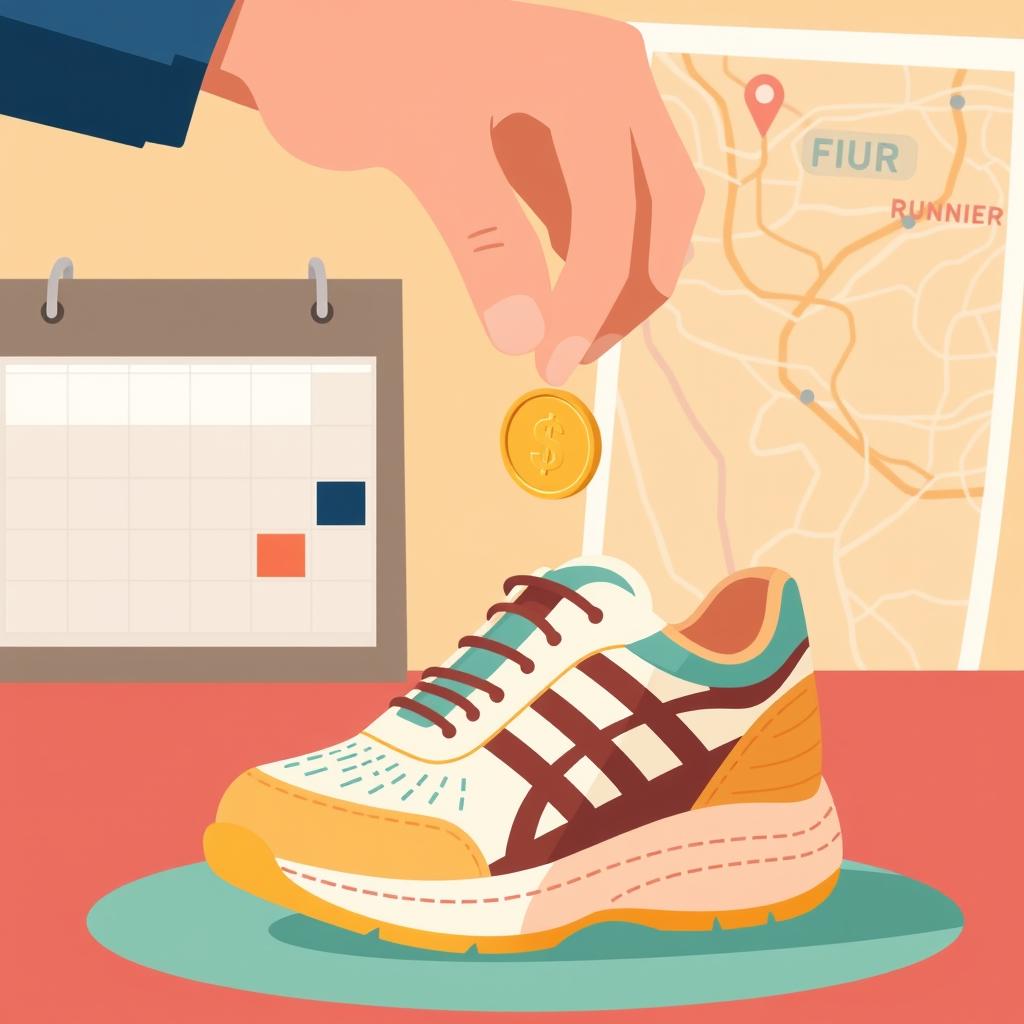
    Solusinya bukan “lebih keras berusaha.” Solusinya adalah mengurangi jumlah keputusan yang harus kamu buat sebelum lari. Sepatu sudah di depan pintu. Rute sudah ditentukan semalam. Waktu lari sudah diblok di kalender seperti meeting. Semakin sedikit yang perlu dipikirkan, semakin besar kemungkinan kamu benar-benar keluar.

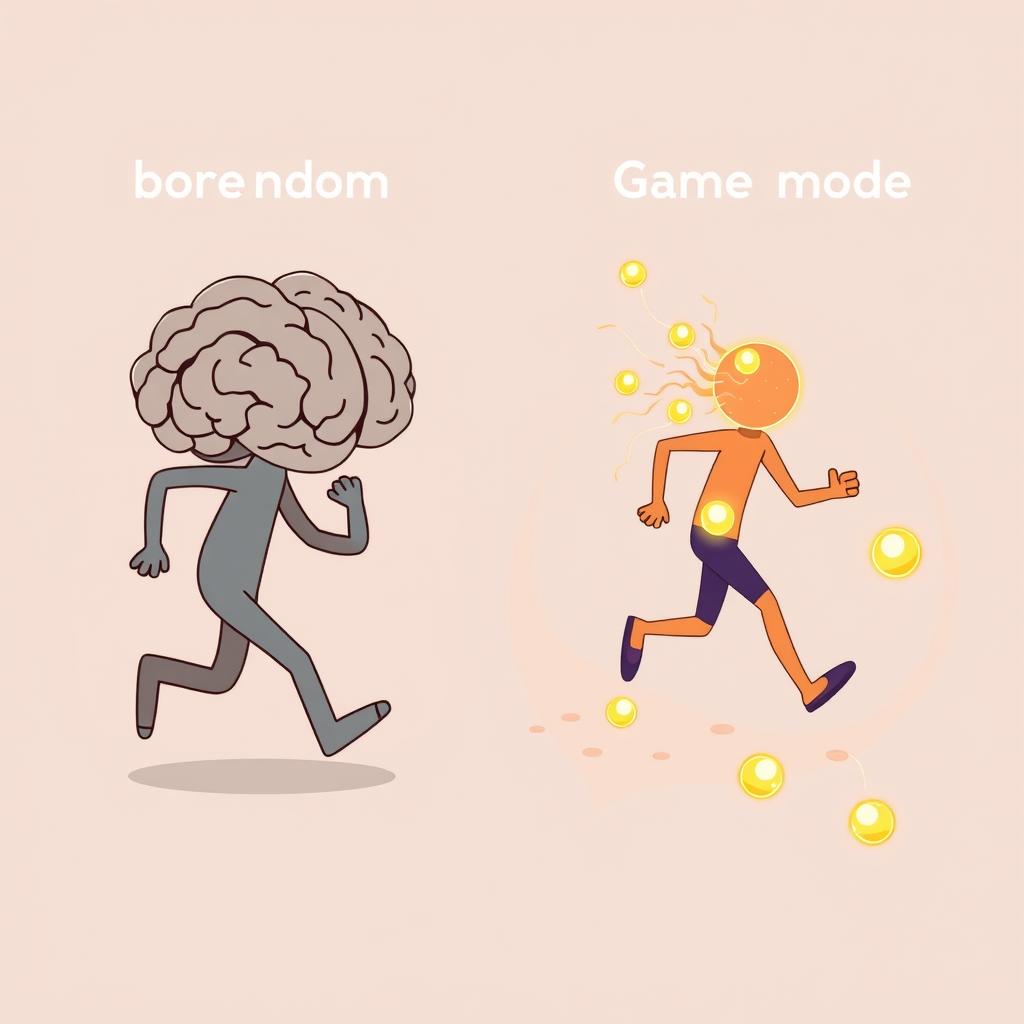
    🎮 Otak Butuh Reward yang Segera, Bukan yang Nanti

    Ini bagian yang sering diabaikan: otak manusia sangat buruk dalam menunda kepuasan untuk tujuan jangka panjang.

    Kamu tahu lari itu bagus untuk kesehatan jangka panjang. Tapi otak kamu tidak peduli dengan “jangka panjang” ketika kasur terasa nyaman sekarang. Otak bekerja berdasarkan reward yang segera dan konkret, bukan yang abstrak dan jauh di depan.

    An empty athletic running track bathed in warm sunrise light

    Itulah kenapa sistem poin di game mobile bisa membuat orang main berjam-jam, tapi tujuan “mau kurus 5 kg dalam 3 bulan” tidak cukup kuat untuk membuat seseorang keluar lari pagi.

    Triknya adalah menambahkan reward segera ke dalam rutinitas lari kamu. Ini bisa sesederhana: kopi favorit hanya boleh diminum setelah lari. Atau playlist khusus yang hanya diputar saat lari. Atau mekanisme yang lebih interaktif — beberapa pelari menemukan bahwa aplikasi seperti Geowill, yang mengubah lari menjadi pengalaman berburu “harta karun” berbasis GPS di lingkungan sekitar, efektif karena setiap sesi lari punya tujuan konkret yang bisa dicapai hari itu juga. Otak langsung dapat reward, bukan janji.

    Prinsipnya sama: buat lari terasa seperti sesuatu yang ingin kamu lakukan, bukan harus kamu lakukan.

    🔁 Struktur Kebiasaan yang Benar-Benar Bekerja

    Psikolog BJ Fogg dari Stanford mengusulkan konsep yang dia sebut Tiny Habits. Idenya sederhana: mulai sekecil mungkin sampai terasa konyol.

    Bukan “lari 5 km tiga kali seminggu.” Tapi: “Pakai sepatu lari dan keluar pintu.” Hanya itu. Kalau sudah di luar, biasanya kamu akan lari. Tapi tujuan formalnya cukup sampai di pintu.

    Ini bekerja karena menghilangkan hambatan psikologis terbesar: memulai. Otak kamu tidak merasa terancam oleh tugas yang sangat kecil. Tidak ada resistensi. Tidak ada negosiasi internal yang panjang.

    A runner checking their watch mid-run with focused expression

    Setelah dua minggu konsisten keluar pintu, naikkan sedikit. Tambah 10 menit. Tambah satu hari. Perubahan kecil yang konsisten mengalahkan sprint motivasi yang cepat habis.

    Satu hal konkret lain: tentukan “anchor habit” — sesuatu yang sudah kamu lakukan setiap hari — lalu tempelkan lari ke sana. Misalnya, kamu selalu mandi pagi sebelum kerja. Jadikan lari sebagai hal yang terjadi sebelum mandi. Otak lebih mudah membangun kebiasaan baru kalau ditempel ke rutinitas yang sudah ada.

    🏁 Hari Ke-3 Bukan Akhir, Tapi Ini Ujian Pertama

    Mengapa kebanyakan pelari berhenti di hari ke-3 bukan karena fisik mereka lemah atau niat mereka tidak tulus. Ini karena sistem reward otak belum terbentuk, willpower sudah terkuras, dan struktur kebiasaan belum ada.

    Kalau kamu tahu ini di awal, kamu bisa bersiap. Kamu tahu hari ketiga akan berat. Itu normal. Itu biologis. Itu bukan tanda bahwa lari bukan untukmu.

    Yang membedakan pelari yang bertahan bukan mereka yang paling semangat di hari pertama. Melainkan mereka yang sudah menyiapkan sistem kecil — reward segera, hambatan yang dikurangi, langkah awal yang sangat mudah — sehingga hari keempat datang hampir otomatis.

    Kalau hari ini adalah hari ketiga kamu, buka pintu dulu. Pakai sepatumu. Sisanya akan mengikuti.

    🏃 Catat larimu hari ini

    Hitung target pace dengan kalkulator gratis kami, lalu catat setiap lari dengan Geowill.

    Buka Kalkulator Pace gratis →

  • Xây dựng kế hoạch chạy bộ dựa trên nhịp tim: Hướng dẫn thực tế

    Bạn đeo đồng hồ thông minh đi chạy mỗi sáng, nhìn thấy con số nhịp tim nhảy lên nhảy xuống, rồi… không biết làm gì với nó. Cảm giác như có một mỏ vàng trong tay nhưng không có xẻng.

    Thật ra nhịp tim là một trong những chỉ số hữu ích nhất để xây dựng kế hoạch huấn luyện chạy bộ cá nhân hóa. Bài này sẽ giúp bạn làm thế nào để xây dựng kế hoạch huấn luyện chạy bộ dựa trên dữ liệu nhịp tim của bạn, từ con số đơn giản đến lịch luyện tập thực tế.

    🫀 Nhịp tim tối đa là nền tảng của mọi thứ

    Trước khi làm bất cứ điều gì, bạn cần biết nhịp tim tối đa của mình, gọi tắt là MHR.

    Công thức phổ biến nhất là 220 trừ đi tuổi của bạn. Nếu bạn 28 tuổi, MHR ước tính là 192 nhịp mỗi phút.

    Nhưng công thức này chỉ là điểm khởi đầu. Cách chính xác hơn là chạy một bài kiểm tra thực tế: khởi động 10 phút, rồi chạy hết sức trong 3 phút liên tục trên dốc hoặc đường bằng. Nhịp tim cao nhất bạn đạt được gần với MHR thật của bạn hơn nhiều.

    📊 5 vùng nhịp tim và ý nghĩa thực sự của từng vùng

    Khi đã có MHR, bạn chia nhịp tim thành 5 vùng. Mỗi vùng phục vụ một mục đích huấn luyện khác nhau.

    A solo runner on a wooden boardwalk along the sea coast at sunrise, peaceful atmosphere

    Vùng 1 là 50 đến 60% MHR. Đây là vùng phục hồi, dành cho những ngày đi bộ nhẹ sau buổi chạy nặng.

    Vùng 2 là 60 đến 70% MHR. Đây là vùng vàng cho người mới chạy và cho các buổi chạy dài. Cơ thể đốt mỡ hiệu quả nhất ở vùng này. Với người 28 tuổi có MHR 192, vùng 2 rơi vào khoảng 115 đến 134 nhịp mỗi phút.

    Vùng 3 là 70 đến 80% MHR. Đây là vùng aerobic, giúp tăng sức bền tổng thể. Nhiều runner hay chạy ở đây vì cảm thấy thoải mái, nhưng thật ra đây không phải vùng tối ưu nhất cho tiến bộ dài hạn.

    Vùng 4 là 80 đến 90% MHR. Vùng này phát triển ngưỡng lactate, nghĩa là bạn chạy nhanh hơn mà không bị chua cơ sớm. Dành cho tempo run hoặc interval.

    Vùng 5 là 90 đến 100% MHR. Chỉ dùng trong các bài sprint ngắn, không quá 2 phút liên tục.

    🗓️ Xây lịch tuần từ 5 vùng đó

    Một tuần huấn luyện thông minh không phải ngày nào cũng cố chạy nhanh. Nguyên tắc 80/20 được nhiều vận động viên chuyên nghiệp áp dụng: 80% tổng quãng đường chạy ở vùng 1 và vùng 2, chỉ 20% ở vùng 4 trở lên.

    Ví dụ cụ thể cho người chạy 4 buổi mỗi tuần:

    A runner climbing a hilly forest trail at golden hour

    Thứ Hai là buổi chạy nhẹ 30 phút ở vùng 2. Cảm giác đủ để nói chuyện bình thường mà không hết hơi là dấu hiệu bạn đang đúng vùng.

    Thứ Tư là buổi interval: khởi động 10 phút ở vùng 2, rồi chạy nhanh 4 lần, mỗi lần 4 phút ở vùng 4, giữa mỗi lần nghỉ 2 phút chạy nhẹ ở vùng 1. Kết thúc bằng 10 phút thả lỏng.

    Thứ Sáu là tempo run 25 phút liên tục ở vùng 3 đến 4. Đây là bài khó nhất tuần, nên nhịp tim sẽ dao động.

    Chủ Nhật là buổi chạy dài 50 đến 60 phút ở vùng 2. Đừng để nhịp tim vượt quá 75% MHR, dù cảm thấy chạy chậm quá. Buổi này xây nền tảng aerobic, không phải rèn tốc độ.

    ⚠️ Sai lầm phổ biến khiến dữ liệu nhịp tim trở nên vô nghĩa

    Nhiều người theo dõi nhịp tim nhưng vẫn không tiến bộ vì họ mắc một vài lỗi cơ bản.

    Lỗi thứ nhất là chạy vùng 3 quá nhiều. Vùng này được gọi là vùng xám vì nó đủ mệt để không phục hồi tốt, nhưng lại không đủ cường độ để kích thích cơ thể thích nghi mạnh. Kết quả là bạn luôn mệt mà không thấy tiến bộ.

    Lỗi thứ hai là bỏ qua nhịp tim lúc nghỉ. Nhịp tim nghỉ ngơi, đo vào buổi sáng ngay khi thức dậy, là chỉ số phục hồi tốt nhất. Nếu hôm nay nhịp tim lúc nghỉ cao hơn bình thường 5 đến 7 nhịp, cơ thể bạn chưa phục hồi. Hãy chạy nhẹ ở vùng 1 thay vì ép bản thân chạy nặng theo lịch.

    A running coach pointing at a training schedule with a runner listening attentively

    Lỗi thứ ba là không điều chỉnh lịch theo thời tiết. Nhiệt độ cao làm nhịp tim tăng thêm 10 đến 20 nhịp so với bình thường ở cùng tốc độ. Nếu chạy vào mùa hè nắng gắt, hãy chạy theo vùng nhịp tim chứ đừng cố giữ tốc độ cũ.

    📱 Khi dữ liệu và động lực kết hợp với nhau

    Dữ liệu nhịp tim rất hữu ích, nhưng nhiều người bỏ cuộc không phải vì thiếu thông tin mà vì thiếu động lực để duy trì thói quen.

    Đây là lúc việc biến mỗi buổi chạy thành một trải nghiệm có mục tiêu rõ ràng giúp ích rất nhiều. Một số app chạy bộ như Geowill kết hợp theo dõi phân tích chỉ số như nhịp tim, pace, tiến độ hàng tháng với yếu tố gamification như tìm kho báu theo GPS, giúp mỗi buổi chạy có thêm lý do để ra đường dù không có ai ép.

    Nhưng dù dùng công cụ nào, điều cốt lõi vẫn là: dữ liệu nhịp tim chỉ có giá trị khi bạn thực sự hành động theo nó.

    Tóm lại, câu trả lời cho câu hỏi làm thế nào để xây dựng kế hoạch huấn luyện chạy bộ dựa trên dữ liệu nhịp tim của bạn nằm ở bốn bước cụ thể: xác định MHR thật của bạn, hiểu rõ 5 vùng nhịp tim, xây lịch tuần theo nguyên tắc 80/20, và điều chỉnh linh hoạt dựa trên nhịp tim nghỉ mỗi sáng.

    Nhịp tim không nói dối. Nếu bạn bắt đầu lắng nghe nó đúng cách, cơ thể bạn sẽ tiến bộ nhanh hơn và ít chấn thương hơn rất nhiều.

    🏃 Ghi lại buổi chạy hôm nay

    Tính tốc độ mục tiêu bằng công cụ miễn phí và ghi lại mỗi buổi chạy với Geowill.

    Mở máy tính tốc độ miễn phí →

  • Does Running Burn More Calories Than Walking? The Real Answer

    You lace up your shoes and ask yourself the question everyone eventually asks: does running burn more calories than walking, or is walking just as good for weight loss? It feels like it should have a simple answer. It does not.

    The real comparison is more nuanced than most fitness articles let on, and understanding it will actually change how you move.

    🔢 The Numbers First — Let’s Be Specific

    Yes, running burns more calories than walking over the same distance. But the gap is smaller than most people expect.

    A 70 kg person burns roughly 80 calories walking one kilometer at a moderate pace. That same person burns about 65 to 70 calories running one kilometer. Wait — that looks backwards, right?

    Per kilometer, walking and running are actually pretty close. Running wins because you cover more ground in less time, so your total burn per hour is much higher. Running at a comfortable 6-minute-per-kilometer pace burns around 550 to 600 calories per hour. Walking briskly at 5 km/h burns roughly 300 to 350 calories per hour. Over an hour, running wins by a wide margin.

    The key variable is time, not just distance.

    🔥 The Afterburn Effect Is Real (And Running Earns It)

    Aerial view of a single runner on a winding countryside road

    Here is where running pulls ahead in a way walking simply cannot match. Running — especially at moderate to high intensity — triggers something called excess post-exercise oxygen consumption, or EPOC.

    In plain English: your body keeps burning extra calories for hours after you finish a run, sometimes up to 14 hours depending on intensity. Walking produces almost no meaningful EPOC.

    A 2011 study published in Medicine and Science in Sports and Exercise found that vigorous exercise boosted post-workout calorie burn significantly more than moderate exercise. A 30-minute run can produce an afterburn of 50 to 150 extra calories. That adds up across a week.

    Walking does not stress your body enough to trigger this effect in any meaningful way.

    🚶 But Walking Has a Sneaky Advantage No One Talks About

    Here is the thing though. Weight loss math is not just about one workout. It is about what you do every single day.

    Walking is sustainable for almost everyone. A 30-minute walk does not wreck your energy, does not require recovery, and does not make your knees ache. You can do it daily, sometimes twice daily, without thinking much about it.

    Running demands recovery. Three hard runs a week is genuinely good training. Five hard runs a week for a beginner often leads to injury or burnout. Research consistently shows that overuse injuries affect roughly 50 percent of regular runners each year.

    A solo runner on a wooden boardwalk along the sea coast at sunrise, peaceful atmosphere

    If a bad run session makes you skip the rest of the week, walking would have burned more total calories. Consistency beats intensity every single week.

    The smart answer for most people starting out is not to choose one over the other. It is to stack them strategically.

    📊 A Practical Week That Actually Makes Sense

    Here is a real-world framework for someone who wants to lose weight and is not a marathon runner yet.

    Day one: 25-minute easy run. Day two: 40-minute brisk walk. Day three: rest or light walking. Day four: interval run, alternate 1 minute running with 2 minutes walking for 25 minutes total. Day five: 45-minute walk. Day six: longer easy run, 30 to 40 minutes. Day seven: rest.

    This structure gives you the calorie burn and EPOC benefits of running without accumulating the kind of fatigue that kills motivation.

    Interval runs on day four are especially valuable. Research from the Journal of Obesity found that high-intensity interval training reduces body fat significantly more than steady-state cardio in the same time window.

    Short bursts of running within a walk session let beginners access those fat-burning benefits without needing to run continuously for 30 minutes right away.

    A person crossing a marathon finish line with arms raised in celebration

    🎯 The Weight Loss Bottom Line (No Fluff)

    Running burns more total calories per hour than walking. That is simply true. But total weekly energy expenditure matters far more than any single session.

    A 150-calorie-per-session advantage from running means nothing if injury or exhaustion cuts your weekly activity in half.

    The science-backed approach for weight loss looks like this. Build a base with consistent daily walking. Add two to three runs per week, starting short. Introduce intervals gradually to trigger afterburn without beating yourself up. Prioritize recovery so next week happens at all.

    One thing that genuinely helps beginners stay consistent with running is making it feel less like a chore. This is where gamified running apps have quietly become useful tools. Geowill, for example, turns your neighborhood runs into a GPS treasure hunt — you are actually running somewhere with a purpose, which makes it far easier to show up on day four when motivation is low. The social layer and running clubs also create a kind of gentle accountability that pure solitary running lacks.

    Whether you walk, run, or mix both, the calorie comparison is honestly less important than the answer to one question: what will you actually keep doing three months from now?

    Pick that. Do it consistently. The numbers will follow.

    🏃 Make today’s run count

    Set your target pace with our free calculator, then track every run with Geowill.

    Open the free Pace Calculator →

  • Comment bien échauffer ses jambes avant une course : guide pour débutants

    Tu enfiles tes chaussures, tu ouvres la porte, et tu pars courir directement. Pas d’échauffement, pas de préparation. Dix minutes plus tard, tes mollets tirent et tu rentres à la maison en boitant.

    Si tu te reconnais, tu n’es pas seul. Et la bonne nouvelle, c’est que cinq à huit minutes suffisent pour éviter ça.

    Pourquoi l’échauffement change vraiment tout 🔥

    Les muscles froids se comportent comme du chewing-gum sorti du frigo. Ils sont raides, peu élastiques, et beaucoup plus vulnérables aux microdéchirures.

    Un échauffement bien fait augmente la température interne de tes muscles de presque un degré. Cette chaleur améliore la circulation sanguine, lubrifie les articulations et prépare ton système nerveux à coordonner tes mouvements.

    Résultat concret : tu ressens moins de douleurs dans les premières minutes de course, et ton risque de blessure chute significativement. Ce n’est pas un mythe de préparateur physique, c’est de la physiologie de base.

    La règle d’or : dynamique, pas statique 🚫

    Grosse erreur classique du débutant : s’asseoir par terre et maintenir un étirement pendant 30 secondes avant de courir.

    Les étirements statiques avant l’effort réduisent temporairement la force musculaire. Tu te détends trop, et ton muscle perd de sa tonicité au moment précis où il en a besoin.

    Aerial view of a single runner on a winding countryside road

    Ce qu’il te faut à la place, c’est un échauffement dynamique. Des mouvements actifs qui imitent la course, qui réveillent les muscles plutôt que de les endormir.

    Garde les étirements statiques pour après la course. Avant, on bouge.

    Les 5 exercices essentiels pour bien préparer tes jambes 🦵

    Fais cette séquence dans l’ordre. Compte environ 30 secondes par exercice. Total : environ 3 minutes pour cette partie.

    Premier exercice : la marche active pendant 2 minutes.

    Avant même les exercices, marche à bon rythme. Pas un flânage, une marche dynamique avec les bras qui balancent. Ça monte doucement la température corporelle sans stresser les articulations. C’est non négociable.

    Deuxième exercice : les balancés de jambe.

    Tiens-toi à un mur ou un poteau. Balance une jambe d’avant en arrière, 15 fois de chaque côté. Ce mouvement mobilise la hanche, étire dynamiquement les ischio-jambiers et les fléchisseurs de hanche. Ce sont exactement les muscles qui travaillent à chaque foulée.

    Troisième exercice : les high knees lents.

    An empty athletic running track bathed in warm sunrise light

    Lève les genoux alternativement jusqu’à la hauteur des hanches, en marchant sur place. Rythme lent et contrôlé, pas explosif. 20 répétitions en tout. Cet exercice active les fléchisseurs de hanche et prépare ton genou à l’impact.

    Quatrième exercice : les fentes marchées.

    Fais un grand pas en avant, descends le genou arrière près du sol, puis remonte et avance l’autre jambe. Quatre à six répétitions de chaque côté suffisent. Les fentes réveillent les quadriceps, les fessiers et les mollets en même temps. C’est l’exercice le plus complet de la séquence.

    Cinquième exercice : les talons-fesses.

    Cours sur place en ramenant tes talons vers tes fesses. Rythme progressif, 20 à 30 secondes. Cet exercice cible spécifiquement les ischio-jambiers et les mollets. Il signale aussi à ton système nerveux que la course est imminente.

    Après ces cinq exercices, démarre ta course à allure très lente pendant la première minute. Ce n’est pas encore de la vraie course, c’est la dernière couche de préparation.

    Adapter l’échauffement selon la météo et ta condition du jour 🌡️

    Par temps froid, en dessous de 10 degrés, double le temps de marche active. Passe à 4 minutes au lieu de 2. Les muscles mettent plus longtemps à monter en température quand il fait froid.

    A runner tying shoelaces before a morning run, intimate close-up of hands

    Si tu cours le matin au réveil, ajoute 2 minutes supplémentaires à ta séquence. Ton corps sort de plusieurs heures d’immobilité. Les articulations ont moins de liquide synovial disponible, elles ont besoin de plus de temps.

    Si tu as une douleur légère quelque part ce jour-là, ralentis encore plus la montée en charge. Un échauffement plus long ce jour-là vaut mieux qu’une blessure qui t’immobilise deux semaines.

    Ce que tu ressens si tu le fais bien ✅

    Un bon échauffement produit des sensations précises. Tu dois sentir une légère chaleur dans les cuisses et les mollets. Ton rythme cardiaque devrait être autour de 100 à 110 battements par minute, soit une respiration légèrement accélérée mais sans essoufflement.

    Tes premières foulées de course doivent sembler fluides, pas raides. Si tu ressens encore une raideur au bout d’une minute de course, ralentis et marche encore 30 secondes.

    Si au contraire tu te sens bien dès les premières foulées, tu as bien fait ton travail. Ce petit investissement de cinq à huit minutes avant chaque sortie est ce qui sépare le coureur qui progresse de celui qui abandonne à cause des douleurs.

    Pour les débutants qui suivent un programme de running et qui veulent garder un œil sur leur évolution, des applications comme Geowill permettent de suivre ses données de pace et de progression mois par mois, ce qui aide à calibrer l’intensité de ses sorties et donc à mieux préparer son échauffement en fonction de l’effort prévu.

    L’essentiel à retenir : ne saute jamais l’échauffement, fais toujours du dynamique avant la course, et réserve les étirements pour après. Cinq minutes maintenant, c’est des semaines de blessures évitées plus tard.

    🏃 Donnez du sens à votre course

    Calculez votre allure cible avec notre outil gratuit et suivez chaque course avec Geowill.

    Ouvrir le calculateur d’allure gratuit →