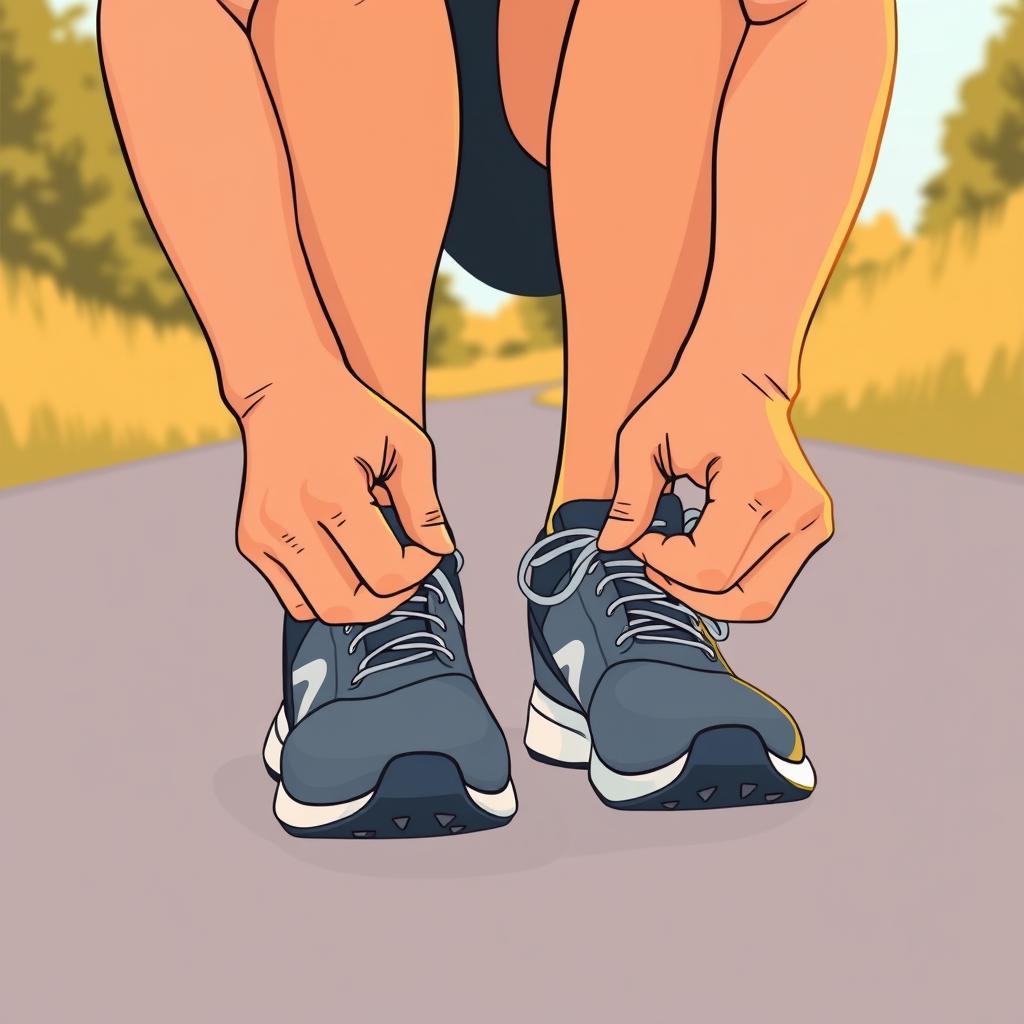
Tu pars courir, motivé à fond. Deux minutes plus tard, tu souffles comme un vieux radiateur et tu dois t’arrêter. Pourtant tu n’es pas en mauvaise forme. Le problème, c’est ta respiration.
La bonne nouvelle ? Il existe une technique simple, concrète, et immédiatement applicable : la technique 3-3. Elle t’aide à réguler ton souffle, éviter les points de côté, et courir bien plus longtemps sans t’épuiser.
🫁 Pourquoi tu t’essouffle aussi vite (et ce n’est pas ta faute)
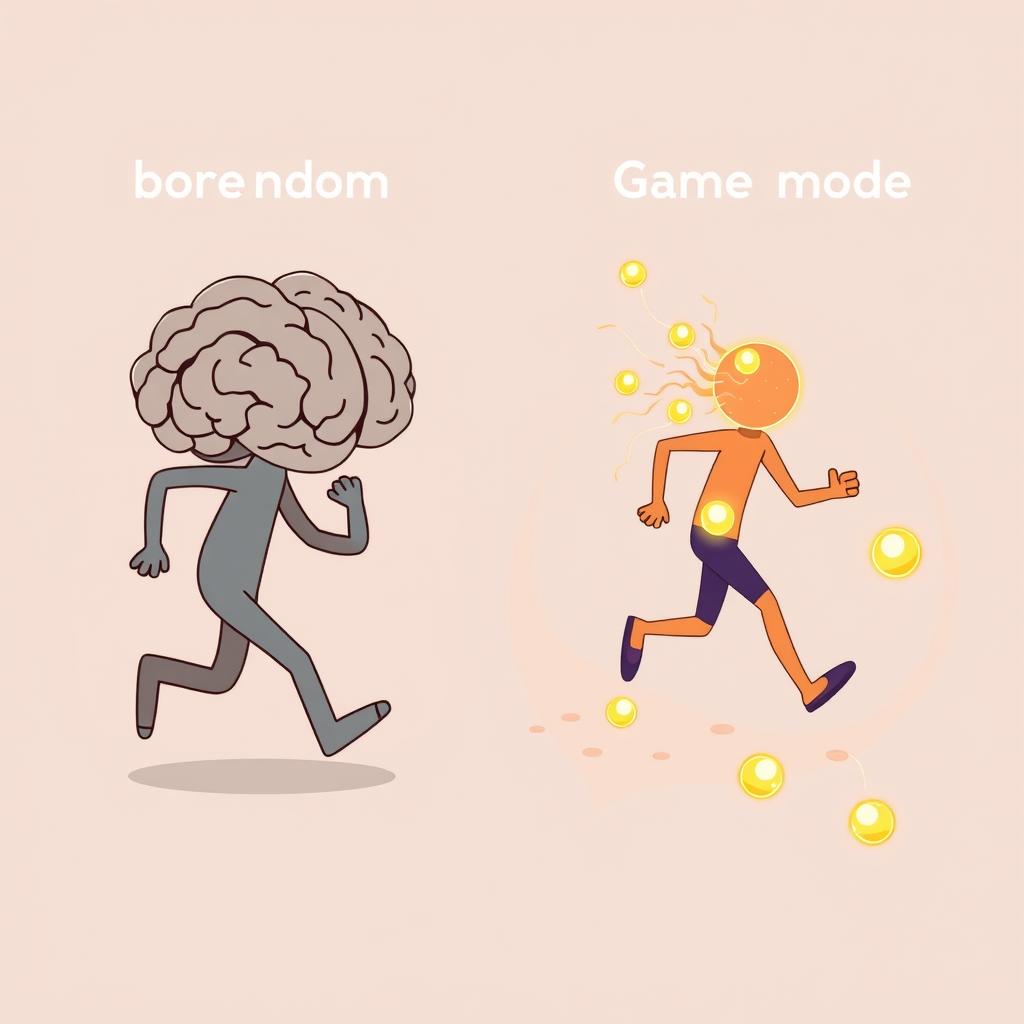
Quand tu démarres une course, ton corps passe brutalement d’un état de repos à un effort intense. Tes muscles réclament de l’oxygène en masse, et ton cerveau panique un peu.
Résultat : tu respires trop vite, trop haut dans la poitrine, et tu expulses du CO2 avant même de l’avoir produit correctement. Ce déséquilibre crée une sensation d’essoufflement même quand tes poumons ne sont pas réellement pleins.
Ce n’est pas un manque de condition physique. C’est un manque de méthode.
🎯 C’est quoi exactement la technique 3-3 ?
Le principe est simple : tu inspires pendant 3 foulées, tu expires pendant 3 foulées. En continu, de façon rythmique, tout au long de ta course.
Concrètement, si tu cours à une allure tranquille, ça ressemble à ça : pied gauche, pied droit, pied gauche — tu inspires. Pied droit, pied gauche, pied droit — tu expires.

Ce rythme 3-3 synchronise ta respiration avec ton mouvement. Il force ton diaphragme à travailler plutôt que tes épaules, ce qui est bien plus efficace et bien moins fatigant.
🔄 Comment l’appliquer pas à pas dès ta prochaine sortie
Avant même de partir courir, prends 30 secondes pour t’entraîner à respirer par le ventre. Pose une main sur ton abdomen et inspire : ton ventre doit se gonfler en premier, pas ta poitrine. C’est la respiration diaphragmatique, et c’est la base.
Une fois lancé, commence par marcher en appliquant le rythme 3-3. Tu inspires sur 3 pas, tu expires sur 3 pas. Quand c’est fluide, tu passes au trot.
Si tu perds le rythme en courant, ne panique pas. Ralentis légèrement, retrouve ton souffle sur 3-3, et reprends. L’objectif n’est pas la vitesse, c’est la régularité.
Une astuce utile : inspire par le nez si l’allure est modérée. Ça filtre l’air, l’humidifie, et ralentit naturellement la respiration. Expire par la bouche pour évacuer rapidement le CO2. Si l’effort monte, inspirer aussi par la bouche est tout à fait normal.
⚡ Quand passer à une autre cadence ?
La technique 3-3 est parfaite pour les allures conversationnelles, c’est-à-dire quand tu peux encore parler en courant, même avec effort. Elle correspond généralement à une allure entre 6 et 7 sur 10 en termes d’intensité perçue.
Quand tu accélères, par exemple sur un intervalle ou une montée, le rythme 3-3 devient trop lent. Tu passes naturellement à du 2-2, voire du 2-1 sur les efforts courts et intenses. C’est normal et attendu.

Le signal que le 3-3 ne suffit plus : tu dois prendre une respiration supplémentaire à l’intérieur du cycle sans y penser. Écoute ce signal, il te dit que ton effort dépasse ton seuil aérobie.
Sur une sortie longue de 45 minutes ou plus, alterne les phases : 3-3 en montée douce, 3-3 en plat, et 2-2 seulement sur les sections rapides. Cette gestion consciente évite l’accumulation de fatigue respiratoire.
😤 Le point de côté : comment l’éviter avec la respiration
Le point de côté est causé en grande partie par des contractions du diaphragme sous l’effet d’une respiration irrégulière et superficielle. Ce n’est pas un mystère, c’est de la mécanique.
La technique 3-3 le prévient en stabilisant le diaphragme. Mais si le point de côté apparaît quand même, voici quoi faire immédiatement.
Expire fortement sur le pied du côté douloureux. Si tu as mal à droite, expire fort quand ton pied droit touche le sol. Cela relâche la tension du ligament hépatique qui tire sur le diaphragme. Répète 5 à 6 fois et le point de côté s’atténue en général en moins d’une minute.
Et si tu cours avec une app comme Geowill qui utilise ta localisation GPS pour te guider vers des objectifs en cours de route, profite des moments de navigation ou de recherche de checkpoint pour reprendre un rythme 3-3 calme. Ces micro-pauses de concentration sont idéales pour stabiliser ton souffle.
💡 La vérité sur les progrès : ce que la plupart des guides ne disent pas

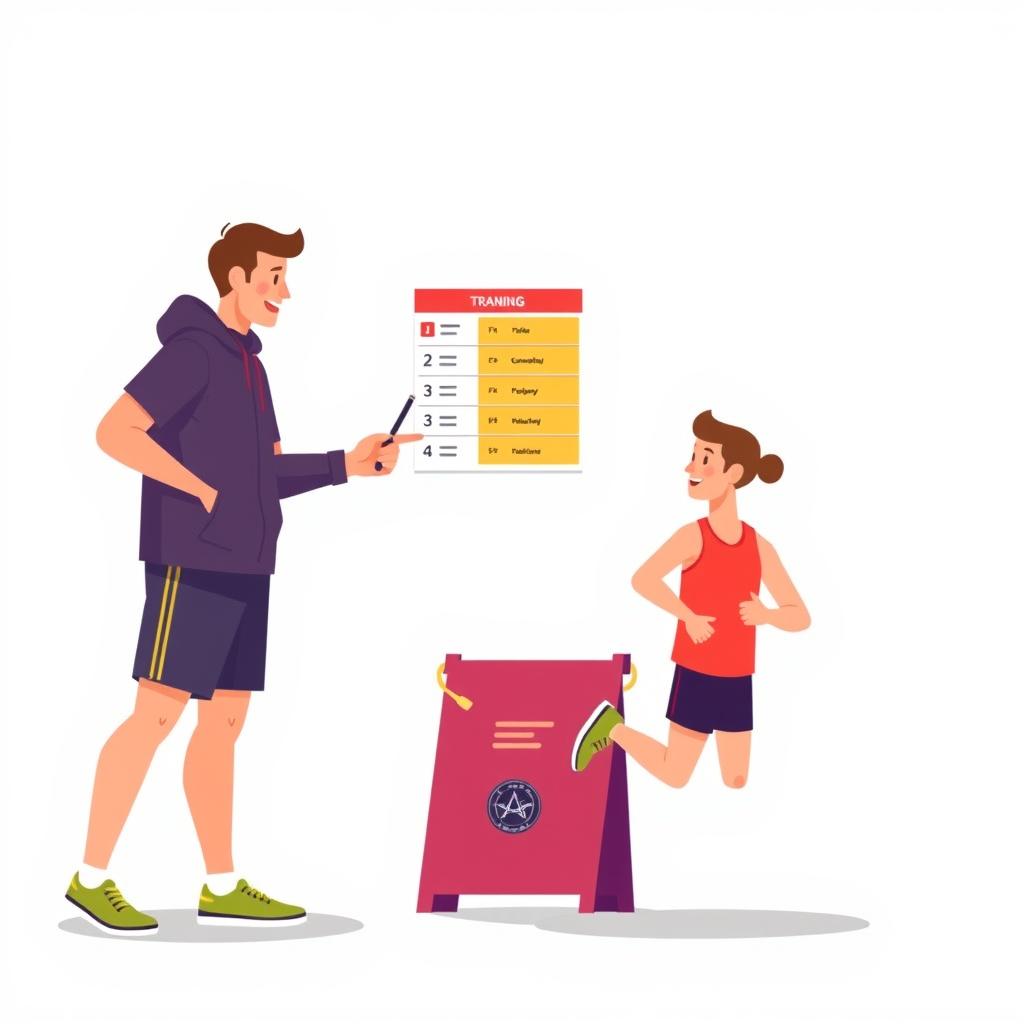
Beaucoup de gens essaient la technique 3-3 une fois, trouvent ça bizarre, et abandonnent. Le problème c’est que ton cerveau est habitué à une respiration automatique et non contrôlée depuis des années.
Contrôler consciemment sa respiration demande entre 3 et 5 sorties pour devenir semi-automatique. C’est court, mais il faut le savoir pour ne pas se décourager.
La semaine 1 : tu dois y penser en permanence, et tu trouves ça épuisant. Normal.
La semaine 2 : tu retrouves le rythme naturellement dès les premières minutes.
La semaine 3 : tu appliques le 3-3 sans y penser sur les allures modérées.
Ce n’est pas une technique magique. C’est une habitude neuromusculaire. Et comme toutes les habitudes, elle se construit avec une répétition courte et régulière.
Le vrai takeaway
La respiration en course à pied n’est pas un détail secondaire. C’est le système qui alimente tout le reste : tes muscles, ton endurance, ta récupération entre les efforts.
La technique 3-3 te donne un cadre concret pour arrêter de subir ton souffle et commencer à le gérer. Trois foulées d’inspiration, trois foulées d’expiration. Ventre avant poitrine. Expire fort sur le pied douloureux si besoin.
Commence dès ta prochaine sortie, même si c’est juste 10 minutes de marche rapide. Ton souffle, c’est ton premier outil de performance. Autant apprendre à s’en servir correctement.