doimoigroup

Author: doimoi

  • How to Build a Running Habit That Sticks (The 21-Day Myth Debunked)

    You downloaded a running app on Monday. You told yourself this time would be different. By Wednesday you skipped once, felt guilty, and quietly deleted the app by Friday.

    Sound familiar? That cycle has a name, and breaking it has nothing to do with willpower.

    The 21-Day Myth Is Actually Hurting You 🧠

    You have probably heard that it takes 21 days to form a habit. That number comes from a 1960s plastic surgeon named Maxwell Maltz, who noticed his patients took about three weeks to adjust to their new appearance. He never ran a controlled study. He never tested habit formation. The number just felt tidy, so it spread.

    The real research tells a very different story. A 2010 University College London study tracked 96 people forming new habits and found the average time to automaticity was 66 days. Some people hit it at 18 days. Others needed 254. The range is enormous, and the type of habit matters a lot.

    Running is a physically demanding habit. Your body needs time to adapt. Expecting it to feel effortless in three weeks sets you up to feel like a failure right when the habit is just getting started.

    Why Your Brain Quits Before Your Legs Do 🧩

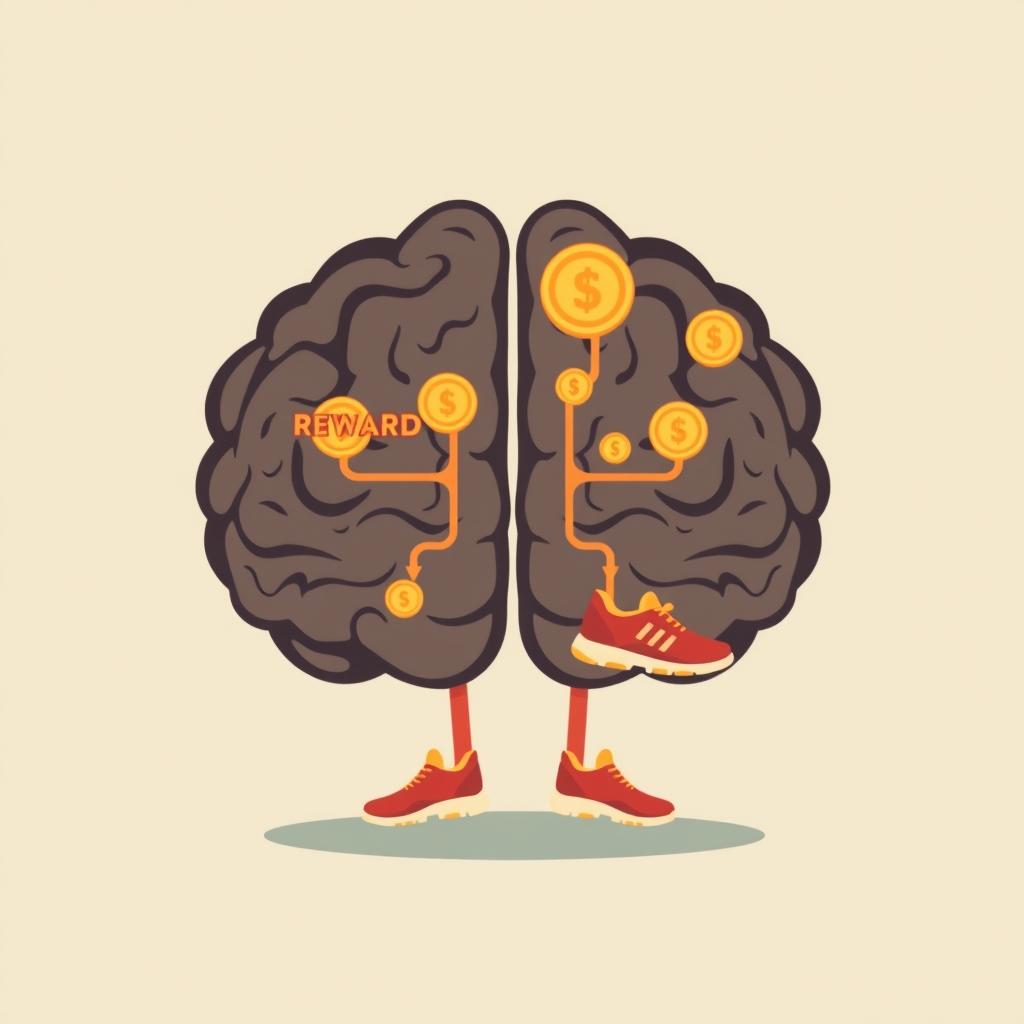
    Habit science breaks behavior into a loop: cue, routine, reward. Most beginner runners obsess over the routine (the run itself) and completely ignore the cue and reward.

    Without a reliable cue, there is no trigger to start. Without a felt reward, the brain has no reason to repeat the behavior. This is why “just run more” advice never works long-term.

    A runner on a snowy winter morning with visible breath in cold air

    Here is what actually wires a habit into your brain: the reward must come immediately after the behavior, not weeks later in the form of weight loss or race times. Your brain is not patient. It responds to dopamine hits that happen right now, not next month.

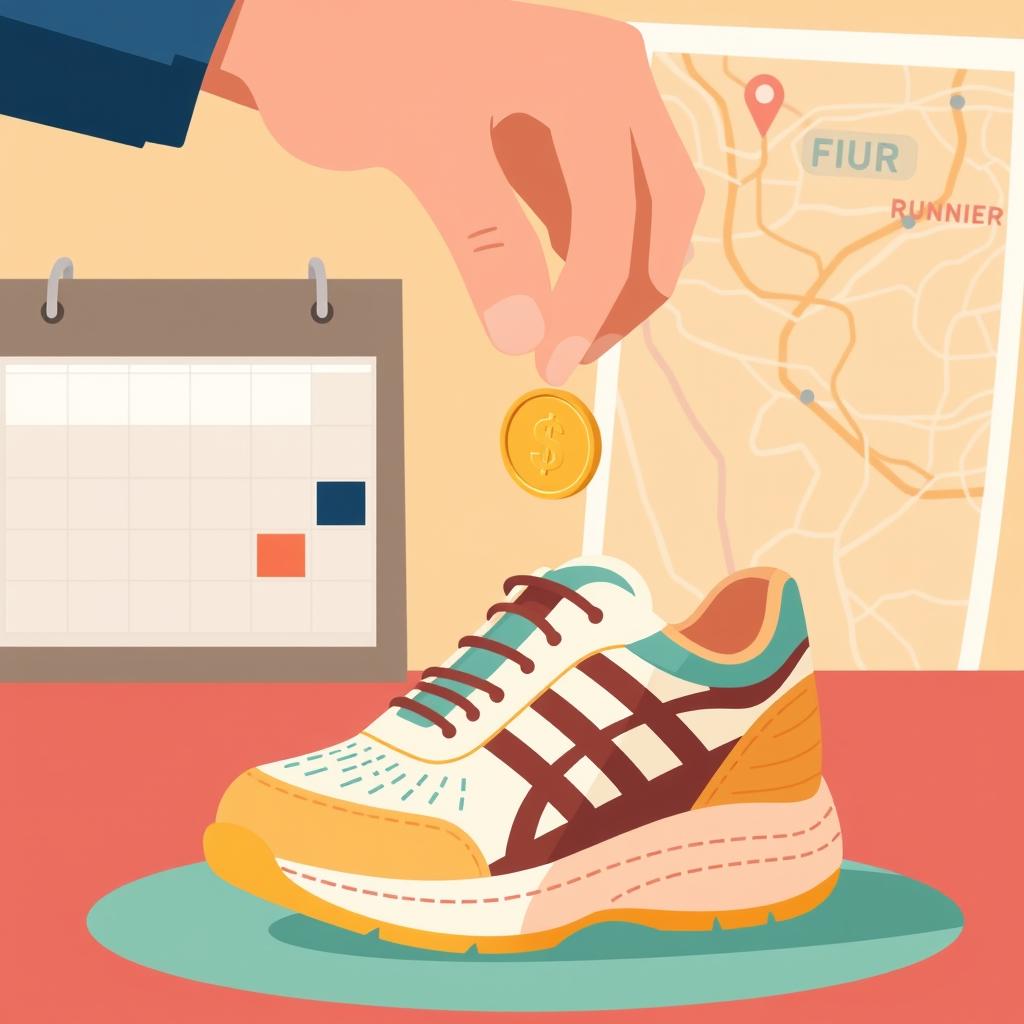
    The fix is simple but most people skip it. Pair your run with something you genuinely enjoy. A specific playlist you only hear while running. A coffee you only allow yourself on run days. A route through a neighborhood you love. The run becomes the key that unlocks the thing your brain actually craves.

    The Minimum Viable Run Strategy 🏃

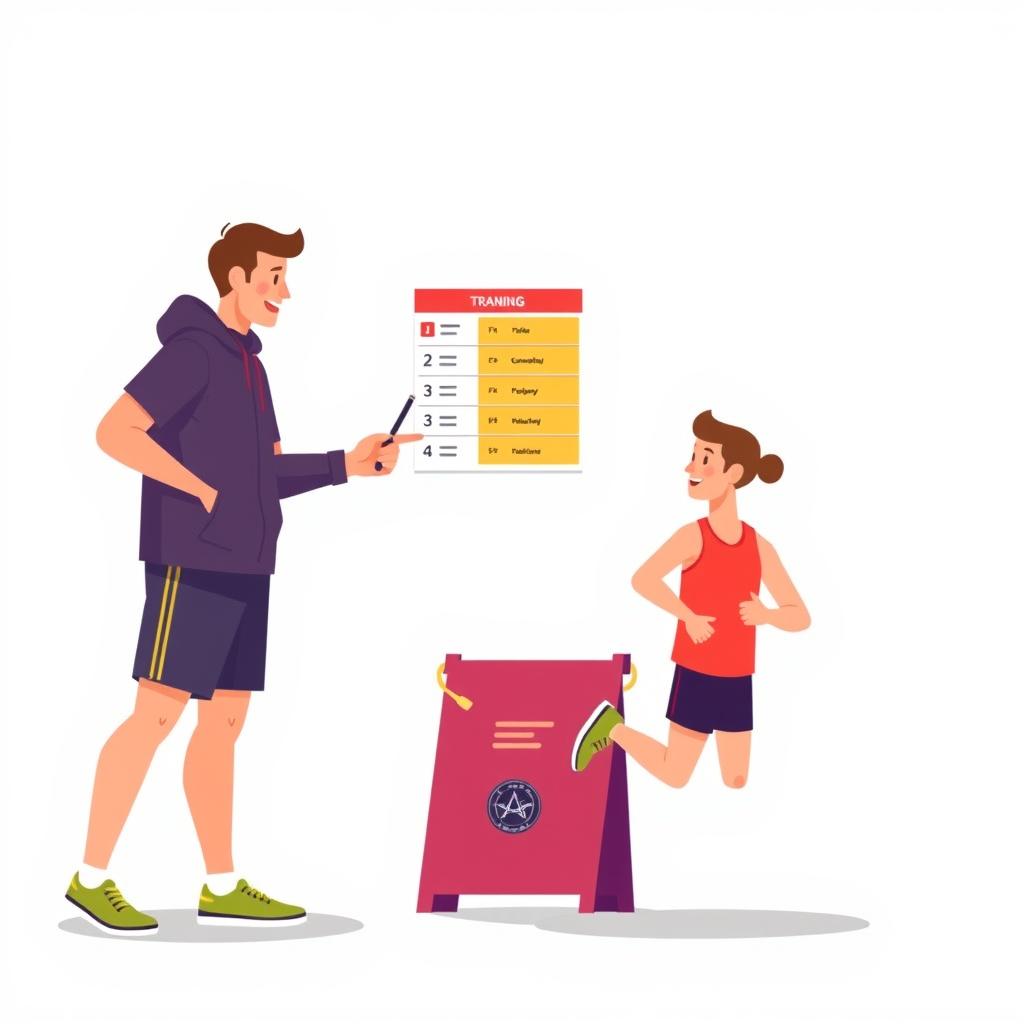
    One of the biggest mistakes beginners make is starting too big. Three miles on day one. Five days a week. A full training plan downloaded from a stranger’s blog.

    This is the classic motivation trap. Motivation is high at the start, so you set ambitious goals. But motivation is unreliable. It drops. And when the goal feels too heavy, you quit entirely rather than doing less.

    The antidote is what habit researchers call reducing friction to near zero. Your first goal is not to become a runner. Your first goal is to make not running feel weird.

    Set a minimum viable run: ten minutes, no pace target, no distance requirement. That is it. Ten minutes out the door and back. Some days you will keep going. Most days, getting out the door is the whole battle.

    On days you genuinely do not want to run, negotiate with yourself. Put on your shoes and walk to the end of the street. If you want to turn back, turn back. You will be surprised how rarely you actually turn back once you are already outside.

    A runner climbing a hilly forest trail at golden hour

    The Social Layer Nobody Talks About 💬

    Habit research consistently shows that social accountability is one of the strongest predictors of long-term behavior change. Not apps. Not tracking. People.

    When someone else expects you to show up, you show up. When your run is tied to a social identity, skipping feels like a bigger loss.

    This is why running clubs have existed for decades before any fitness app was invented. The format works because it transforms a solo grind into something you belong to.

    If a formal club feels intimidating, start smaller. Tell one friend your plan and ask them to check in on you. Join an online community of beginner runners. Or try an app like Geowill, which layers GPS-based treasure hunts and live voice runs with friends on top of your regular route, turning a solo slog into something that actually sounds fun to do again tomorrow.

    The social element does not just motivate you in the short term. It builds an identity. And identity is the deepest driver of habit. “I run with my crew on Saturdays” is much harder to abandon than “I am trying to exercise more.”

    How to Actually Measure Progress Without Burning Out 📊

    Most beginner runners track the wrong things. They obsess over pace and distance too early, get discouraged when the numbers feel slow, and decide running is not for them.

    A nighttime runner with glowing city lights and bokeh in the background

    Track consistency instead of performance for the first eight weeks. A simple calendar where you mark each run day tells you more than any split time. Seeing a chain of marks grow is genuinely motivating in a way that a mediocre pace number is not.

    After consistency is solid, layer in one metric at a time. Start with total monthly distance. Then add average pace. Heart rate data becomes meaningful only once you have a baseline of several weeks to compare against.

    Progress in running is not linear. You will have weeks where everything feels harder even though you are fitter. This is normal physiology, not failure. If you know this in advance, you will not quit during those weeks.

    The Real Timeline 🗓️

    Here is the honest version: give running 10 weeks before you judge whether it is working.

    Week one through three will feel uncomfortable. Week four through six, your body starts adapting and easy runs feel genuinely easier. Week seven through ten, you start having runs that actually feel good. That is when the habit loop clicks.

    The 21-day myth sets the expectation that week three is the finish line. It is not even the halfway point.

    You are not failing because running feels hard after two weeks. You are right on schedule. Keep the runs short, keep the reward real, bring at least one other person into it, and let 66 days do what 21 never could.

    🏃 Make today’s run count

    Set your target pace with our free calculator, then track every run with Geowill.

    Open the free Pace Calculator →

  • AI 러닝 코치가 내 페이스 데이터를 분석해 훈련 강도를 자동 조정하는 원리

    매주 열심히 뛰는데 3개월째 5킬로 기록이 그대로예요. 분명 노력은 하고 있는데 뭔가 잘못된 느낌, 받아본 적 있죠?

    그 원인, 사실 ‘훈련 강도’가 몸에 맞지 않아서일 가능성이 높아요.

    🏃 왜 같은 페이스로만 뛰면 실력이 멈출까요

    달리기 실력은 몸이 스트레스를 받고, 회복하고, 다시 적응하는 사이클로 올라가요.

    문제는 매번 비슷한 강도로 뛰면 몸이 그 자극에 익숙해진다는 거예요. 적응이 끝나면 더 이상 성장 신호를 보내지 않아요.

    스포츠 과학에서는 이걸 ‘플래토(Plateau)’ 현상이라고 부르는데, 아마추어 러너의 80퍼센트 이상이 여기서 막힌다는 연구 결과도 있어요.

    📊 AI 러닝 코치가 읽는 데이터는 정확히 뭘까요

    AI 코치가 분석하는 핵심 지표는 크게 세 가지예요.

    첫째는 페이스 변동성이에요. 단순히 평균 속도가 아니라 킬로미터별로 속도가 얼마나 들쑥날쑥한지를 봐요. 초반 1킬로에 5분 30초, 후반 1킬로에 6분 40초면, 시작부터 너무 세게 뛰었다는 신호거든요.

    A pair of running shoes hanging by laces against a sunset sky

    둘째는 심박수 대비 페이스 비율, 줄여서 ‘러닝 이코노미’예요. 같은 페이스인데 심박수가 지난주보다 10 이상 높다면, 피로가 쌓였거나 컨디션이 떨어진 거예요.

    셋째는 훈련 부하 누적량이에요. 이번 주에 뛴 총 거리, 강도 높은 구간 비율, 회복 달리기 비율을 합산해서 몸이 얼마나 자극을 받았는지 수치로 내요.

    ⚙️ 데이터를 읽고 강도를 ‘자동으로’ 어떻게 바꾸냐면요

    여기서부터가 진짜 핵심이에요.

    AI는 수집된 페이스·심박 데이터를 바탕으로 지금 내 상태가 다섯 가지 훈련 구간 중 어디에 해당하는지 판단해요. 1존은 아주 가벼운 회복 달리기, 5존은 거의 전력 질주 수준이에요.

    예를 들어 최근 3회 연속 달리기에서 심박이 계속 4존 이상으로 올라갔다면, AI는 ‘과부하’ 신호로 읽어요. 그러면 다음 훈련에서 1존이나 2존 위주의 회복 달리기를 추천하고, 총 거리도 평소의 60퍼센트 수준으로 낮춰요.

    반대로 최근 달리기에서 같은 페이스에 심박이 낮아지는 추세가 3주 이상 지속되면, 몸이 그 강도에 완전히 적응했다는 뜻이에요. 이때 AI는 인터벌 트레이닝이나 템포런을 추가해서 자극을 끌어올려요.

    핵심은 ‘어제의 나’가 아니라 ‘지금의 나’ 상태를 기준으로 매번 처방을 바꾼다는 거예요.

    A runner stretching their legs before a morning jog in a quiet neighborhood

    🔍 실제로 훈련 계획이 어떻게 달라지는지 예시로 볼게요

    입문 러너 기준으로 구체적인 예를 들어볼게요.

    현재 기록: 5킬로 30분, 주 3회 러닝, 매번 킬로당 6분 페이스로 동일하게 달림.

    AI 분석 결과: 2주 연속 심박이 평균 165 이상, 후반 2킬로 구간 페이스 저하 패턴, 회복 달리기 비율 0퍼센트.

    AI의 다음 주 처방: 월요일은 킬로당 7분으로 30분 가볍게 달리는 1존 회복, 수요일은 1분 빠르게 뛰고 2분 쉬기를 8세트 반복하는 인터벌, 금요일은 킬로당 6분 30초로 40분 달리는 롱런.

    이렇게 같은 주 3회인데 강도 배분이 완전히 달라져요. 무조건 열심히가 아니라, 효율적으로 자극을 주는 거예요.

    지오윌(Geowill)의 AI 러닝 코치가 정확히 이 방식으로 작동해요. 내 달리기 기록을 쌓을수록 패턴을 학습해서, 그다음 훈련 추천이 점점 더 나한테 맞게 정교해지는 구조거든요.

    💡 AI 코치를 제대로 활용하려면 이것만 기억하세요

    Close-up of running shoes on an athletic track with golden hour lighting

    AI 분석이 아무리 정교해도, 데이터가 적으면 추천 품질이 낮아요.

    최소 2주, 6회 이상의 달리기 기록이 쌓여야 AI가 의미 있는 패턴을 잡기 시작해요. 처음 며칠 추천이 어색하게 느껴지는 건 당연한 거예요.

    그리고 AI 추천을 받을 때 꼭 확인해야 할 게 하나 있어요. ‘왜 이 훈련을 추천했는지’ 이유를 설명해주는지 보세요. 이유 없이 그냥 “오늘 7킬로 뛰세요”만 말하는 코치는 정보가 아니라 명령이거든요. 좋은 AI 코치는 “지난주 심박 평균이 높았으니 오늘은 가볍게 가요”처럼 근거를 함께 알려줘요.

    마지막으로, AI의 추천은 참고지 절대값이 아니에요. 수면이 부족하거나 몸살 기운이 있다면 AI가 인터벌을 추천해도 회복 달리기를 선택하는 게 맞아요. AI는 주관적 컨디션을 100퍼센트 읽지는 못하거든요.

    결국 AI 러닝 코치의 핵심 가치는 ‘나를 지켜보는 전문가가 항상 곁에 있다’는 느낌이에요.

    코치한테 돈 내고 주 1회 피드백 받는 게 아니라, 내가 뛸 때마다 데이터가 쌓이고 그다음 훈련이 조금씩 더 나한테 맞게 바뀌는 경험. 그게 AI 코치가 가져다주는 진짜 변화예요.

    막연하게 열심히 뛰던 러닝을, 데이터로 쌓아가는 러닝으로 바꿔보세요. 3개월 뒤의 기록이 달라져 있을 거예요.

    🏃 오늘의 러닝, 숫자로 남겨보세요

    무료 페이스 계산기로 목표 페이스를 잡고, 지오윌(Geowill)로 매일의 달리기를 기록해 보세요.

    무료 페이스 계산기 열기 →

  • ランニング初心者が最初の1ヶ月で怪我をしない!ウォームアップ・クールダウンの正しい流れ完全ガイド

    「よし、今日から走るぞ!」と意気込んで公園に飛び出したら、3日後に膝が痛くなった。そんな経験、ランニングを始めた人のほぼ全員がしている。実は、準備運動と整理運動を正しく行うだけで、最初の1ヶ月の怪我リスクは大幅に下がる。

    🏁 なぜ初心者の1ヶ月目が一番危ないのか

    走り始めた直後は、気力と体力のギャップが一番大きい。

    気持ちは「もっと走れる!」でも、筋肉・腱・関節はまだ負荷に慣れていない。特に膝の外側(腸脛靭帯)、足首、すねの骨は、突然の衝撃に弱い。

    1ヶ月目に多い怪我の三大パターンは、シンスプリント(すねの痛み)、足底筋膜炎(かかとの痛み)、そしてランナー膝だ。これらはすべて、「準備不足のまま走る」ことから始まる。

    🤸 ウォームアップの目的を勘違いしていない?

    多くの初心者がやりがちなミスが、走る前にいきなり静的ストレッチ(じっと伸ばす動作)をすること。

    実は、冷えた筋肉を静止した状態で伸ばすと、逆に筋繊維を傷めやすい。走る前のウォームアップの正しい目的は、「心拍数を徐々に上げること」と「関節を動かせる状態にすること」だ。

    静的ストレッチはランニング後にやる。これが鉄則。

    🔥 走る前の正しいウォームアップ(所要時間:約7〜8分)

    A pair of running shoes hanging by laces against a sunset sky

    具体的な手順を、時間ごとに紹介する。

    まず最初の2分間は、その場でゆっくりと足踏みをする。腕を大きく振りながら、体全体を軽く揺さぶるイメージで。心臓と筋肉に「これから動くよ」と知らせるための準備だ。

    次の2分間は、ダイナミックストレッチを行う。足を前後に大きく振る「レッグスウィング」を左右各10回。腰に手を当て、膝を胸の高さまで引き上げる「ニーレイズ」を左右各10回。これで股関節と膝周りが温まる。

    次の2分間は、軽いウォーキングに移行する。普通に歩くだけでいい。ただしかかとからつま先まで、足裏全体をしっかり使って歩くことを意識する。

    最後の1〜2分間は、ゆっくりとしたジョギングでスタートする。最初の数百メートルは、「歩くより少し速いだけ」というペースで十分。このペースから徐々に自分のランニングペースへ上げていく。

    このウォームアップを毎回やるだけで、走り始めてすぐに膝や足に違和感が出ることが劇的に減る。

    🧊 クールダウンを絶対にサボってはいけない理由

    走り終わった直後、すぐに座ったり車に乗ったりしていないだろうか。

    激しく動いていた心臓と筋肉を急に止めると、血液が足に溜まってめまいが起きたり、翌日の筋肉痛が何倍にもなったりする。クールダウンは「疲れたときにやるおまけ」ではなく、怪我と疲労回復を左右する本番の一部だ。

    A trail runner moving through colorful autumn leaves on a forest path

    特に1ヶ月目は筋肉の回復力が低い。クールダウンをしっかり行うことで、次の日も走れる体を作る。

    🌿 走った後の正しいクールダウン(所要時間:約8〜10分)

    まず走り終えたら、すぐに止まらず2〜3分ゆっくりウォーキングを続ける。心拍数を徐々に落とす、最も重要なステップだ。

    その後、静的ストレッチに入る。以下の4箇所を、それぞれ20〜30秒ずつキープする。

    ふくらはぎ:壁に手をついて後ろ足をまっすぐ伸ばし、かかとを地面に押しつける。

    太もも前面(大腿四頭筋):片足立ちで、反対側の足首を後ろに引き寄せる。膝が前に出ないように注意。

    ハムストリングス(太もも裏):片足を前に出して座るか立ったまま、上体を前に倒す。背中は丸めない。

    腸脛靭帯(膝外側):足を交差させて立ち、上体を横に倒す。ランナー膝の予防に直結する重要な箇所。

    最後に30秒ほど深呼吸をして、体の感覚を確かめる。どこかに痛みがあれば、その日のメモとして記録しておくと後で役に立つ。

    A runner tying shoelaces before a morning run, intimate close-up of hands

    記録を残すという意味では、Geowillのようなランニングアプリを使うと、ペースや心拍数が自動で残るため、「今日は負荷が高すぎた」という振り返りがしやすくなる。

    📅 1ヶ月目の走り方と組み合わせるコツ

    ウォームアップとクールダウンを完璧にやっても、毎日走ったら体は壊れる。

    1ヶ月目の理想は、週3日のランニング+1日の休息を繰り返すこと。1回のランニング時間は20〜30分で十分だ。距離より時間を基準にすると、無理をしにくい。

    走っていない日も、軽いウォーキングや、今回紹介したストレッチだけを行うのが効果的だ。体が走ることに慣れてきたら、自然にもっと走りたくなってくる。

    まとめ

    ランニング初心者が最初の1ヶ月で怪我をしないための答えは、シンプルだ。走る前は動的ウォームアップで体を起こし、走った後は静的ストレッチで体を落ち着かせる。この7分と10分を毎回丁寧にやるだけで、膝もすねも足首も、ちゃんと守れる。

    難しいことは何もない。ただ、続けることだけが大事だ。

    🏃 今日のランを記録しよう

    無料ペース計算機で目標ペースを設定し、Geowill で毎日のランを記録しましょう。

    無料ペース計算機を開く →

  • Por qué abandonas correr a los 3 días y cómo evitarlo de verdad

    Lunes arrancas con todo. Martes vuelves aunque te duelen los muslos. Miércoles ya tienes una excusa perfecta. El jueves tus zapatillas de running siguen exactamente donde las dejaste.

    Si eso te suena familiar, no es falta de voluntad. Es neurociencia mal aplicada.

    Por qué el entusiasmo del día 1 no alcanza 🧠

    El problema no empieza el día 3. Empieza el día 1, cuando tu cerebro interpreta el running como una amenaza.

    Cuando saliste a correr por primera vez, tu cuerpo liberó cortisol, la hormona del estrés. El esfuerzo físico inusual activa el mismo sistema que usas cuando algo te asusta. Tu cerebro registra eso como algo que hay que evitar, no repetir.

    Al mismo tiempo, la dopamina que sentiste al terminar fue real pero breve. Duró quizás 20 minutos. Y para el día 3, ese recuerdo placentero ya compite contra el recuerdo más vívido del cansancio y el aburrimiento.

    El resultado es matemático: tu cerebro tiene más razones para quedarse en casa que para salir.

    El mito de los 21 días (y lo que dice la ciencia de verdad) 📊

    Seguramente escuchaste que un hábito se forma en 21 días. Eso es falso, y creer esa cifra te perjudica.

    A determined runner mid-stride with sweat on their face, dynamic motion

    El estudio más citado sobre formación de hábitos, publicado en el European Journal of Social Psychology por Phillippa Lally, encontró que el tiempo promedio real es 66 días. Y el rango varía entre 18 y 254 días según la persona y el comportamiento.

    Eso cambia todo. Si crees que en 21 días ya deberías sentirte motivado naturalmente, y en el día 10 aún cuesta, concluyes que algo está mal contigo. Entonces abandonas.

    La realidad es que en el día 10 estás exactamente donde deberías estar: en la parte más difícil de la curva.

    Los tres errores concretos que destruyen tu racha 🚫

    Error uno: empezar con demasiada intensidad. Si tu primera semana incluye correr 5 kilómetros seguidos cuando tu cuerpo no está acostumbrado, el daño muscular y el agotamiento garantizan que tu cerebro asocie correr con sufrimiento. El umbral real para un principiante es entre 20 y 25 minutos a ritmo conversacional, máximo tres veces por semana.

    Error dos: no tener ningún tipo de recompensa inmediata. La motivación intrínseca, la que viene de sentirte bien contigo mismo, tarda semanas en construirse. Necesitas recompensas externas mientras tanto. No mañana ni la próxima semana: justo después de terminar la sesión.

    Error tres: depender únicamente de la fuerza de voluntad. La voluntad es un recurso limitado que se agota durante el día. Si dejas tu sesión de running para cuando “te sientas con ganas”, estadísticamente nunca vas a salir. El hábito necesita un disparador automático, no una decisión activa cada día.

    Cómo realmente construir el hábito: estrategias con evidencia 🔧

    Close-up of running shoes on an athletic track with golden hour lighting

    La primera estrategia se llama implementation intention, o intención de implementación. En lugar de decir “voy a correr más”, dices “voy a correr el martes, jueves y sábado a las 7am, saliendo desde la puerta de mi edificio”. Los estudios de Peter Gollwitzer muestran que esta técnica aumenta la probabilidad de cumplir el objetivo entre 2 y 3 veces. La especificidad elimina la necesidad de tomar una decisión en el momento.

    La segunda estrategia es el mínimo viable. Si el día que toca correr te sientes sin energía, el trato contigo mismo es este: sales, corres cinco minutos, y si aún no quieres seguir, vuelves a casa sin culpa. El 80% de las veces terminas completando la sesión. Pero incluso si no, mantuviste el disparador del hábito, que es lo más valioso.

    La tercera estrategia es crear fricción inversa. Deja tus zapatillas al lado de la cama. Prepara la ropa la noche anterior. Cada paso adicional entre tú y correr es una oportunidad para que tu cerebro encuentre una excusa. Reduce esos pasos a cero.

    La cuarta estrategia es la más subestimada: añade un elemento de novedad. El cerebro libera dopamina ante lo nuevo, no ante lo conocido. Cambiar de ruta cada semana, explorar un barrio diferente, o agregar una dinámica que convierta el recorrido en algo más que poner un pie delante del otro, activa ese sistema de recompensa de forma más sostenida.

    En ese último punto entra algo como Geowill, una app de running que coloca tesoros virtuales en el mapa de tu barrio que debes ir a buscar corriendo. No es magia, pero sí es neurociencia aplicada: el cerebro responde al formato de búsqueda y recompensa de forma mucho más inmediata que a una simple distancia completada.

    El papel de lo social: por qué correr con alguien multiplica tus probabilidades 🤝

    Un metaanálisis publicado en el British Journal of Health Psychology encontró que tener un compañero de ejercicio aumenta la adherencia al hábito hasta en un 95% comparado con entrenar solo.

    No necesitas un grupo entero ni un equipo formal. Basta con una persona que sepa que saldrás el miércoles y te pregunte cómo te fue. Eso activa el compromiso social, uno de los mecanismos de motivación más potentes que existen.

    Hands holding a smartwatch displaying running stats and pace

    Si no tienes a nadie cerca, los grupos online o las comunidades de runners locales cumplen una función similar. La clave es que exista una consecuencia social pequeña, alguien que note si cumpliste o no.

    Lo que nadie te dice sobre los días que fallas 💡

    Vas a fallar. No es una posibilidad, es una certeza estadística.

    La investigación de Lally también mostró que perderse un día no interrumpe la formación del hábito de forma significativa. Lo que sí lo interrumpe es la respuesta emocional a ese fallo.

    Si fallas el martes y concluyes que “ya la cagué, para qué seguir”, el problema no fue el martes. Fue lo que te dijiste después del martes.

    El hábito se construye con la tasa de éxito a largo plazo, no con la perfección a corto plazo. Cuatro sesiones completadas de cinco posibles en un mes es un hábito funcional. Cero de cinco en el mes siguiente porque te bloqueaste por culpa es un hábito muerto.

    Perdona el martes rápido y sal el miércoles.

    La trampa más grande es creer que el problema es la motivación. La motivación es consecuencia del hábito, no su causa. Empieza pequeño, hazlo específico, añade novedad, y súmate a alguien. El día 66 llegará antes de lo que crees.

    🏃 Que cada carrera cuente

    Calcula tu ritmo objetivo con nuestra calculadora gratuita y registra cada carrera con Geowill.

    Abrir la calculadora de ritmo gratis →

  • Wie viel Gewicht verliert man durch Laufen? 8 Wochen Realcheck

    Du schnürst die Laufschuhe, gibst wirklich Gas – und nach zwei Wochen zeigt die Waage kaum eine Veränderung. Was läuft hier falsch?

    Meistens gar nichts. Das Problem sind unrealistische Erwartungen. Und die kursieren beim Thema Laufen und Abnehmen leider überall.

    Lass uns das ein für alle Mal ehrlich aufdröseln.

    🔢 Was sagen die Zahlen wirklich?

    Wie viel Gewicht verliert man durch regelmäßiges Laufen? Die realistische Antwort für 8 Wochen liegt bei 1 bis 4 Kilogramm echtem Fettverlust – je nach Körpergewicht, Tempo und wie konsequent du läufst.

    Zum Vergleich: Ein 75 kg schwerer Mensch verbrennt beim lockeren Laufen (6 min/km) etwa 450 bis 500 Kalorien pro Stunde. Dreimal pro Woche laufen ergibt rund 1.300 bis 1.500 Kalorien wöchentlich.

    Ein Kilogramm Körperfett entspricht ungefähr 7.000 Kalorien. Rein rechnerisch brauchst du also etwa fünf Wochen, um allein durch Laufen ein Kilo Fett abzubauen – ohne die Ernährung anzupassen.

    Das klingt langsam. Es ist aber solider, nachhaltiger Fortschritt.

    ⚖️ Warum die Waage in Woche 1 und 2 lügt

    A nighttime runner with glowing city lights and bokeh in the background

    Viele geben auf, bevor der Körper überhaupt angefangen hat zu reagieren. Das ist der größte Fehler.

    In den ersten zwei Wochen speichert der Körper durch neuen Sport oft zusätzlich Wasser in den Muskeln. Das kann 1 bis 2 Kilo auf der Waage bedeuten – obwohl du parallel schon Fett verlierst. Diese Phase verdeckt deinen echten Fortschritt komplett.

    Ab Woche drei bis vier beginnt sich das Bild zu klären. Der Wasserhaushalt pendelt sich ein, und die Waage zeigt langsam, was wirklich passiert.

    Deshalb: Wiege dich nicht täglich. Einmal pro Woche, morgens, nach dem ersten Gang zur Toilette. Nur so bekommst du eine sinnvolle Vergleichsbasis.

    🍕 Der versteckte Saboteur: der Kompensationseffekt

    Hier wird es unangenehm ehrlich. Laufen macht hungrig. Und die meisten Menschen essen nach dem Laufen mehr, als sie gerade verbrannt haben – ohne es zu merken.

    Ein Beispiel: Du läufst 45 Minuten und verbrennst 400 Kalorien. Danach gönnst du dir eine Belohnungs-Pizza oder einen großen Smoothie mit 600 Kalorien. Ergebnis: Kalorienplus statt Defizit.

    Das ist keine Willensschwäche. Das ist Biologie. Ausdauersport stimuliert Hunger signifikant stärker als Kraftsport.

    Die Lösung ist nicht, nach dem Laufen zu hungern. Sondern bewusst proteinhaltiger zu essen, weil Protein länger sättigt. 30 Gramm Protein nach dem Lauf – zum Beispiel durch Quark, Eier oder Hülsenfrüchte – reduziert die Chance, unbewusst zu viel nachzuessen, drastisch.

    A runner checking their watch mid-run with focused expression

    📅 Wie ein realistischer 8-Wochen-Ablauf aussieht

    Hier ist eine konkrete Orientierung, was in acht Wochen passieren kann – wenn du drei bis viermal pro Woche läufst und die Ernährung halbwegs im Blick hast:

    Woche 1 bis 2: Waage zeigt kaum Veränderung oder sogar leichtes Plus. Normal. Nicht aufhören.

    Woche 3 bis 4: Erste spürbare Veränderung. Meist minus 0,5 bis 1 Kilo. Der Körper beginnt effizienter zu arbeiten.

    Woche 5 bis 6: Fortschritt wird sichtbarer. Minus 1,5 bis 2,5 Kilo insgesamt sind realistisch. Viele berichten, dass Kleidung lockerer sitzt, bevor die Waage große Sprünge zeigt.

    Woche 7 bis 8: Bei konsequentem Training und bewusster Ernährung sind 3 bis 4 Kilo Gesamtverlust gut möglich. Wer mehr abgenommen hat, hat wahrscheinlich auch die Ernährung stärker angepasst.

    Ein entscheidender Faktor, der oft vergessen wird: Schlaf. Wer weniger als sechs Stunden schläft, produziert mehr Cortisol. Cortisol bremst den Fettabbau und erhöht Heißhunger. Zwei schlechte Nächte pro Woche können deinen gesamten Kaloriendefizit-Aufwand zunichte machen.

    🏃 Was deinen Fortschritt wirklich beschleunigt

    Du willst die Ergebnisse in acht Wochen maximieren? Dann sind das die drei Stellschrauben, die wirklich zählen.

    A runner on an urban street at sunrise, motivational atmosphere

    Erstens: Intervalltraining einbauen. Statt nur locker zu laufen, wechselst du zwischen schnellen Abschnitten (zum Beispiel 30 Sekunden Sprint) und ruhigen Phasen. Das steigert den Kalorienverbrauch um 20 bis 30 Prozent gegenüber gleichmäßigem Dauerlauf – und der sogenannte Nachbrenneffekt hält danach noch Stunden an.

    Zweitens: Nicht jede Einheit gleich gestalten. Kombiniere eine lange, ruhige Einheit pro Woche mit einer kürzeren, intensiveren. Dein Körper gewöhnt sich sonst sehr schnell ans gleiche Tempo und verbrennt weniger.

    Drittens: Die Distanz langsam steigern. Maximal zehn Prozent mehr Kilometer pro Woche, sonst steigt das Verletzungsrisiko massiv. Ein Bänderriss oder Schienbeinkantensyndrom nach drei Wochen ist der schnellste Weg, alle Fortschritte zu stoppen.

    Wenn Motivation das Problem ist – und das ist für viele der echte Bottleneck, nicht das Wissen – kann ein spielerischer Ansatz helfen. Manche Läuferinnen und Läufer berichten, dass Apps wie Geowill, die Laufen mit GPS-basierter Schatzsuche und Challenges verbinden, dazu beitragen, dass die erste Woche nicht die letzte bleibt. Wer sich auf die nächste Schatzposition freut, denkt weniger an die Anstrengung.

    💡 Das Fazit, das die Waage dir nicht zeigt

    Wie viel Gewicht verliert man durch regelmäßiges Laufen in acht Wochen? Realistisch sind 1 bis 4 Kilogramm – je nach Ausgangssituation, Intensität und Ernährung.

    Aber hier ist die eigentlich wichtigste Zahl: Die meisten Menschen, die acht Wochen durchhalten, hören danach nicht mehr auf. Weil der Kopf sich verändert hat. Weil Laufen kein Projekt mehr ist, sondern ein Teil des Alltags.

    Der Körper braucht Zeit. Die Waage ist ein schlechter Coach. Und acht Wochen sind kurz genug, um anzufangen – aber lang genug, um zu spüren, was wirklich möglich ist.

    🏃 Mach deinen Lauf messbar

    Berechne dein Ziel-Tempo mit unserem kostenlosen Rechner und tracke jeden Lauf mit Geowill.

    Kostenlosen Pace-Rechner öffnen →

  • 为什么游戏化跑步能让人坚持下去?奖励机制如何从根本上改变运动习惯

    你有没有这种体验:办了健身卡、买了跑鞋、定好了计划,结果两周后鞋还是新的?这不是你懒,是你的大脑在跟你作对。

    游戏化跑步能坚持下去,背后有一套很扎实的科学逻辑。搞懂这套逻辑,你才能真正为自己设计出一个”停不下来”的运动习惯。

    🧠 大脑为什么讨厌普通跑步

    跑步本身给大脑的反馈是延迟的。你今天跑了5公里,身材的变化要三个月后才看得出来。

    大脑的奖励系统,也就是多巴胺回路,天生偏爱”即时反馈”。你刷短视频、打游戏,每隔几秒就有新刺激,多巴胺持续释放。跑步呢?前两公里只有喘气和腿酸。

    这种”付出在前、奖励在后”的结构,直接触发了大脑的放弃信号。神经科学研究显示,当预期奖励迟迟不来,前额叶皮层对行为的控制力就会显著下降——通俗说,就是”算了不跑了”。

    🎮 游戏化做对了什么:奖励时机的精准插入

    游戏化跑步的核心,不是把跑步变得”更好玩”,而是在正确的时间点插入奖励信号。

    以宝箱、徽章、地图打卡这类机制为例,它们的共同特点是:奖励发生在行为完成后的几秒内。你跑到某个坐标,手机震动、弹出收集动画——这个反馈比”三个月后瘦了”早了整整90天。

    A nighttime runner with glowing city lights and bokeh in the background

    行为心理学里有个概念叫”可变比率强化”,也就是你不知道下一次奖励什么时候来、奖励有多大。老虎机用的就是这个原理,成瘾性极强。很多游戏化跑步应用把宝藏随机刷新在地图上,本质上就是把这个机制搬进了跑道。

    📍 位置触发:让”去哪跑”变成一个悬念

    普通跑步计划最大的敌人是”没有去处”。你知道要跑步,但不知道今天跑哪条路,于是拖着拖着就算了。

    位置触发机制解决的正是这个问题。当地图上出现一个待收集的宝藏点,你立刻有了一个具体目标——不是”去跑步”,而是”去那个路口拿那个东西”。

    目标具体化对行为启动有决定性作用。心理学家彼得·戈尔维策的研究表明,把目标从”我要运动”变成”我要在周二晚上7点去公园跑步”,执行率可以提高200%到300%。位置触发本质上就是替你自动完成了这个具体化的过程。

    像Geowill这类基于GPS的跑步应用,就是用实时地图上的宝藏点来充当这个”具体锚点”,让你每次出门都有一个明确的方向感。

    👥 社交压力的温柔版:一起找比互相监督更有效

    很多人试过跑步打卡群,结果变成”群里发图、自己不跑”。问题在于,单纯的监督机制会产生压力感,而压力感会让运动变成负担。

    A runner climbing a hilly forest trail at golden hour

    游戏化里的社交机制走的是另一条路:共同目标,而不是互相盯着。

    当你和朋友实时用语音一起寻找散落在街道上的宝藏,你们的注意力焦点是”找到宝藏”,跑步本身变成了附带动作。社会心理学把这叫做”目标共享效应”——共同追逐一个具体目标时,个体的坚持度比独自行动高出40%左右。

    而且实时语音消除了”一个人跑步太无聊”的孤独感,却没有约伴跑步需要时间对齐的麻烦。这是纯社交跑步做不到的事。

    📊 数据反馈为什么要设计成”进度条”而不是”报表”

    很多跑步应用给你一堆数据:配速、心率、高度差、步频。这些数据有价值,但很少能直接转化成”明天继续跑”的动力。

    问题在于,数据本身是中性的,它不告诉你”你快到了”。

    游戏化设计的关键是把数据变成进度条。”本月跑了18公里,距离月度目标20公里还差2公里”,这句话里有一个未完成的任务。心理学上叫”蔡格尼克效应”——未完成的事情会持续占据大脑的工作记忆,制造一种温和的”想要完成它”的冲动。

    所以同样的数据,以进度条、月度挑战、排行榜等形式呈现,比单纯的统计表格对下一次出门跑步的促进作用强得多。本质不是界面设计,是认知上的未完成感在驱动行为。

    Three runners lined up at a race starting line ready to sprint

    ✅ 你现在可以做的三件事

    搞懂了原理,落地才是关键。以下三个做法不依赖任何应用,直接可用:

    第一,给每次跑步设定一个具体的地点目标,而不是距离目标。”跑到那个烤串摊再折回来”,比”跑3公里”更容易启动。

    第二,给自己设计一个即时小奖励。跑完立刻允许自己喝一杯喜欢的饮料,或者刷15分钟视频。这个奖励不需要多大,只需要在跑完后立刻发生。

    第三,把月度跑量做成可见的进度条。在手机备忘录里写下目标,每跑一次就手动更新数字。视觉上的接近感会自然推着你出门。

    游戏化跑步能坚持下去,根本原因不是它让跑步”变好玩了”,而是它把大脑需要的即时反馈、具体目标、社交连接,全部系统性地插入了跑步这个本来反馈极度延迟的行为里。

    意志力是消耗品,机制才是可持续的。下次穿上跑鞋之前,先想想:今晚你要去地图上的哪个点?

    🏃 让今天的跑步留下数据

    用免费配速计算器设定目标配速,并用 Geowill 记录每天的跑步。

    打开免费配速计算器 →

  • Teknik Bernafas Saat Berlari untuk Pemula: Hidung atau Mulut?

    Baru 5 menit lari langsung ngos-ngosan dan dada terasa sesak? Bukan berarti kamu nggak fit. Kemungkinan besar, caramu bernafas yang salah.

    Teknik bernafas saat berlari untuk pemula sering banget diabaikan. Padahal ini fondasi yang menentukan kamu bisa lari 10 menit atau menyerah di menit ke-3.

    🫁 Kenapa Napas Jadi Masalah Utama Pelari Pemula

    Saat berlari, otot-otot membutuhkan oksigen jauh lebih banyak dari biasanya. Kalau asupan oksigenmu tidak cukup, tubuh panik dan kamu merasa kehabisan napas bahkan sebelum benar-benar kelelahan.

    Masalahnya bukan paru-paru kamu lemah. Masalahnya adalah pola napas yang dangkal dan tidak ritmis.

    Pelari pemula cenderung bernafas pendek-pendek dari dada bagian atas. Ini justru bikin tubuh makin kekurangan oksigen karena volume udara yang masuk terlalu sedikit.

    🤔 Hidung atau Mulut — Mana yang Benar?

    Jawaban jujurnya: keduanya, tapi di waktu yang berbeda.

    Bernafas lewat hidung punya keunggulan nyata. Hidung menyaring kotoran, menghangatkan udara, dan mengatur kelembapan sebelum udara masuk ke paru-paru. Ini bagus saat lari santai dengan intensitas rendah, misalnya kecepatan di mana kamu masih bisa ngobrol kalimat penuh.

    Tapi begitu intensitas naik, hidung saja tidak cukup. Lubang hidung punya kapasitas aliran udara yang terbatas. Saat kamu lari di kecepatan sedang hingga tinggi, mulut harus ikut membantu.

    A trail runner moving through colorful autumn leaves on a forest path

    Cara paling praktis: pakai keduanya sekaligus. Tarik napas lewat hidung dan mulut bersamaan, lalu hembuskan lewat mulut. Teknik ini memaksimalkan volume udara yang masuk dan keluar setiap siklus napas.

    Kapan murni hidung saja boleh? Saat jogging sangat pelan di pagi hari, atau saat udara dingin ekstrem karena hidung membantu menghangatkan udara sebelum menyentuh paru-paru.

    ⏱️ Ritme Napas: Rahasia yang Jarang Dibahas

    Ini bagian yang paling sering dilewati padahal paling penting.

    Pelari berpengalaman menggunakan pola napas ritmis yang sinkron dengan langkah kaki. Pola paling umum untuk pemula adalah 3:2, artinya tarik napas selama 3 langkah, hembuskan selama 2 langkah.

    Kenapa tidak simetris? Karena pola asimetris ini mencegah hentakan kaki selalu jatuh di sisi yang sama saat kamu menghembuskan napas. Kalau sisi yang sama terus-menerus menerima tekanan saat napas keluar, risiko nyeri di samping perut (disebut side stitch) meningkat.

    Coba praktikkan ini langkah demi langkah:

    Mulai berjalan cepat sambil hitung langkah kaki. Tarik napas sambil kaki kiri-kanan-kiri menyentuh tanah. Hembuskan sambil kaki kanan-kiri menyentuh tanah. Ulangi sampai terasa natural, baru tambah kecepatan jadi jogging.

    Butuh waktu 2 sampai 3 sesi lari untuk ritme ini terasa otomatis. Jangan menyerah sebelum itu.

    🏋️ Pernapasan Diafragma: Upgrade dari Napas Dangkal

    A runner hydrating with a water bottle after finishing a workout

    Mayoritas orang bernafas dari dada. Saat lari, ini adalah kebiasaan paling mahal yang bisa kamu bayar dengan rasa lelah lebih cepat.

    Pernapasan diafragma artinya kamu mengembangkan perut ke bawah saat menarik napas, bukan mengangkat bahu atau mengembangkan dada ke atas. Diafragma adalah otot besar di bawah paru-paru yang kalau dipakai dengan benar, bisa meningkatkan kapasitas udara hingga 3 kali lipat dibanding napas dada dangkal.

    Cara melatihnya sebelum lari: berbaring telentang, letakkan satu tangan di perut dan satu di dada. Tarik napas pelan. Yang bergerak seharusnya tangan di perut, bukan di dada. Latih ini 5 menit setiap pagi selama seminggu.

    Begitu kamu terbiasa bernafas dengan diafragma saat istirahat, tubuh akan otomatis memakainya saat lari juga.

    😤 Kenapa Dada Terasa Sesak dan Cara Mengatasinya

    Ada dua penyebab utama sesak saat lari yang sering disalahartikan sebagai “kurang stamina”.

    Pertama adalah hiperventilasi, yaitu napas terlalu cepat dan dangkal sampai karbon dioksida dalam darah turun drastis. Gejalanya: pusing, kesemutan di jari, dan dada terasa tertekan. Solusinya sederhana: pelankan kecepatan lari, fokus hembuskan napas lebih panjang dan tuntas. Menghembuskan napas secara penuh justru yang memicu refleks tarik napas dalam secara alami.

    Kedua adalah side stitch, nyeri menusuk di samping perut yang muncul tiba-tiba. Ini sering terjadi karena makan terlalu dekat dengan waktu lari, atau karena pola napas yang tidak teratur. Saat side stitch muncul: pelankan lari, hembuskan napas panjang saat kaki di sisi yang sakit menyentuh tanah, dan tekan area yang sakit dengan jari selama beberapa langkah.

    Jangan langsung berhenti total karena justru membuat otot kencang tiba-tiba. Pelankan dulu, atur napas, baru berhenti kalau memang perlu.

    🎯 Simpelnya: Checklist Napas Sebelum Kamu Lari Besok

    A determined runner mid-stride with sweat on their face, dynamic motion

    Sebelum mulai lari, cek 4 hal ini:

    Satu: Sudah makan minimal 90 menit sebelumnya.

    Dua: Mulai dengan 2 menit jalan cepat sambil aktifkan pernapasan diafragma.

    Tiga: Saat mulai jogging, pakai pola 3:2, tarik 3 langkah hembuskan 2 langkah.

    Empat: Kalau napas mulai kacau, pelankan kecepatan sampai bisa bicara kalimat pendek lagi baru tambah kecepatan.

    Kecepatan ideal untuk pemula adalah kecepatan di mana kamu masih bisa mengucapkan satu kalimat pendek tanpa tersengal. Kalau tidak bisa, berarti kamu lari terlalu cepat, bukan berarti kamu tidak berbakat.

    Teknik bernafas saat berlari untuk pemula bukan soal bernapas lebih keras, tapi bernapas lebih cerdas. Hidung dan mulut bekerja sama, ritme sinkron dengan langkah, dan diafragma jadi motor utamanya.

    Kalau kamu sedang membangun kebiasaan lari dan butuh sesuatu yang bikin sesi larimu tidak membosankan sambil tetap memantau perkembangan napas dan pacenya, aplikasi lari seperti Geowill bisa membantu melacak data per sesi sekaligus memberi tantangan kecil di sekitar lingkunganmu agar tiap lari terasa punya tujuan.

    Yang paling penting: mulai dulu. Napas yang benar akan mengikuti seiring latihan.

    🏃 Catat larimu hari ini

    Hitung target pace dengan kalkulator gratis kami, lalu catat setiap lari dengan Geowill.

    Buka Kalkulator Pace gratis →

  • Chạy bộ gamification: Khi trò chơi biến việc chạy thành thói quen

    Bạn đã từng hứa với bản thân “tuần này mình sẽ chạy ba buổi” rồi thứ Tư nhìn lại chỉ thấy đôi giày vẫn nằm yên góc phòng chưa? Không phải vì bạn lười. Mà vì não bộ bạn chưa tìm được lý do đủ hấp dẫn để đứng dậy.

    Đó chính xác là lý do gamification ra đời. Và nó đang thay đổi cách hàng triệu người duy trì thói quen chạy bộ.

    🧠 Não bạn không ghét chạy bộ — nó chỉ ghét sự nhàm chán

    Khoa học thần kinh giải thích rất rõ điều này. Khi bạn chạy vì nghĩ đến sức khỏe, não nhận ra phần thưởng quá xa vời và thiếu cụ thể. Không đủ dopamine để tạo động lực ngay lúc đó.

    Nhưng khi bạn chơi game, mỗi hành động nhỏ đều có phản hồi tức thì. Lên cấp, nhận điểm, mở khóa thành tích. Não liên tục được “thưởng” nên không muốn dừng.

    Gamification áp dụng đúng cơ chế đó vào chạy bộ. Thay vì chạy để “giảm cân về lâu dài,” bạn chạy để thu thập kho báu cách nhà 800 mét. Mục tiêu đủ nhỏ, đủ cụ thể, và phần thưởng đến ngay lập tức.

    🎮 Gamification hoạt động như thế nào trong thực tế?

    Có bốn yếu tố cốt lõi mà bất kỳ hệ thống gamification chạy bộ hiệu quả nào cũng cần có.

    A nighttime runner with glowing city lights and bokeh in the background

    Thứ nhất là mục tiêu rõ ràng theo từng phiên. Không phải “chạy 5km trong tháng này” mà là “hoàn thành vòng lặp 2,3km hôm nay để giữ chuỗi 7 ngày.” Mục tiêu ngắn hạn làm não tập trung ngay vào hiện tại.

    Thứ hai là phản hồi tức thì. Mỗi kilometre cần có gì đó phản hồi lại — thông báo tốc độ, chuông nhỏ, hay tiếng thông báo hoàn thành vòng. Não cần biết mình đang tiến bộ trong thời gian thực.

    Thứ ba là cảm giác cạnh tranh xã hội. Bảng xếp hạng khu phố, thách thức với bạn bè, hay đơn giản là ai đó nhìn thấy thành tích của bạn. Con người chạy nhanh hơn 12 đến 15 phần trăm khi có người khác xem, theo nghiên cứu từ Đại học Santa Barbara.

    Thứ tư là phần thưởng biến thiên. Đây là bí mật của mọi game gây nghiện. Không phải lúc nào cũng biết phần thưởng tiếp theo là gì. Sự bất ngờ giữ não ở trạng thái tò mò.

    🗺️ Bản đồ khu phố chính là level tiếp theo của bạn

    Một trong những cách gamification sáng tạo nhất hiện nay là biến không gian thực thành bản đồ game. Thay vì nhìn màn hình và chạy mãi một con đường quen, bạn có một lý do cụ thể để rẽ sang hẻm lạ hoặc khám phá công viên chưa đến.

    Ứng dụng chạy bộ Geowill làm điều này theo nghĩa đen: kho báu xuất hiện ngẫu nhiên trên bản đồ khu phố, bạn phải chạy đến tọa độ đó để thu thập qua GPS. Đột nhiên chạy 3km không còn là “chạy 3km” mà là “tìm ba kho báu trước khi trời tối.”

    An empty athletic running track bathed in warm sunrise light

    Tâm lý học gọi đây là “temptation bundling” — ghép việc không thích với thứ bạn muốn làm. Và nó hoạt động đặc biệt tốt khi mục tiêu có vị trí vật lý cụ thể trong thực tế.

    👥 Chạy một mình vs chạy cùng người khác: Con số thực sự

    Nghiên cứu của Đại học Aberdeen năm 2016 cho thấy những người chạy cùng bạn đồng hành tập luyện nhiều hơn 200 phần trăm so với người chạy đơn lẻ. Không phải 20 phần trăm — là 200 phần trăm.

    Gamification xã hội khai thác đúng điều đó. Khi có người đang online, đang chạy cùng thời điểm với bạn, và cả hai cùng hướng tới một mục tiêu chung thì động lực bỗng nhiên không còn là vấn đề.

    Hình thức mới nhất là chạy theo nhóm có giọng nói thực (voice group run), nơi bạn vừa chạy vừa nói chuyện với bạn bè qua tai nghe như một cuộc gọi bình thường. Bỗng nhiên 5km trở thành buổi “tám chuyện di động” với đứa bạn thân.

    📈 Xây dựng thói quen chạy bộ bằng gamification: Lộ trình 30 ngày cụ thể

    Tuần 1, mục tiêu không phải khoảng cách mà là chuỗi ngày. Chạy 15 phút mỗi ngày, bất kể tốc độ. Dùng bất kỳ ứng dụng nào có tính năng streak để theo dõi chuỗi ngày liên tiếp. Não bạn sẽ ghét phá vỡ chuỗi đó.

    A runner hydrating with a water bottle after finishing a workout

    Tuần 2, thêm yếu tố khám phá. Chọn một con đường mới mỗi buổi. Chụp ảnh một thứ gì đó thú vị trên đường chạy và đăng lên nhóm bạn bè. Biến mỗi buổi chạy thành một câu chuyện nhỏ.

    Tuần 3, thêm cạnh tranh nhẹ. Mời một người bạn cùng tham gia thách thức tuần — ai chạy nhiều kilometre hơn trong 7 ngày. Không cần giải thưởng, sự so sánh tự nhiên đã đủ tạo động lực.

    Tuần 4, theo dõi tiến bộ có thể nhìn thấy được. In ra hoặc chụp màn hình bảng tóm tắt tháng. Nhìn vào con số cụ thể — tổng kilometre, số buổi chạy, cải thiện tốc độ trung bình. Não người cần bằng chứng hữu hình để tin rằng nỗ lực có ý nghĩa.

    🏁 Kết: Ý chí không phải thứ bạn cần

    Người ta thường nghĩ duy trì chạy bộ là chuyện của ý chí. Nhưng những người chạy đều đặn nhất không nhất thiết có ý chí mạnh hơn bạn. Họ chỉ xây dựng môi trường mà ở đó việc chạy trở nên thú vị hơn việc không chạy.

    Gamification là công cụ thiết kế môi trường đó. Mục tiêu nhỏ, phản hồi tức thì, cộng đồng xung quanh, và phần thưởng bất ngờ — bốn yếu tố này khi kết hợp sẽ biến “phải chạy” thành “muốn chạy.”

    Bắt đầu từ hôm nay không cần phải hoàn hảo. Chỉ cần chạy 15 phút, tìm một mục tiêu nhỏ trên đường, và ghi lại kết quả. Thói quen không sinh ra từ ý chí — nó sinh ra từ những lần đầu tiên đủ thú vị để bạn muốn lặp lại.

    🏃 Ghi lại buổi chạy hôm nay

    Tính tốc độ mục tiêu bằng công cụ miễn phí và ghi lại mỗi buổi chạy với Geowill.

    Mở máy tính tốc độ miễn phí →

  • Améliorer sa foulée débutant : 6 erreurs posturales à corriger

    Tu fais tes premiers kilomètres, tu es motivé, mais après vingt minutes tu as déjà mal aux genoux ou dans le bas du dos. Pourtant tu ne cours pas vite, tu ne cours pas loin. Le problème vient souvent d’une seule chose : ta façon de courir, pas ta condition physique.

    Voici les six erreurs de foulée les plus communes chez les débutants, et comment les corriger concrètement.
    Tu regardes le sol 👀

    C’est l’erreur numéro un. Quand on manque de confiance, on baisse les yeux naturellement. Résultat : le menton tombe, les épaules s’arrondissent vers l’avant, et toute la chaîne posturale s’effondre.

    Ton regard doit se poser à environ 10 à 15 mètres devant toi, pas sous tes pieds. Imagine une ligne invisible à l’horizon et fixe-la. Ta nuque se redresse toute seule, tes épaules suivent.

    Test rapide : colle un post-it “tête droite” sur ton téléphone avant de sortir courir. Ça semble bête, mais ça suffit à ancrer le réflexe en deux ou trois sorties.
    Tes épaules remontent vers les oreilles 😬

    Plus tu te fatigues, plus tes épaules montent. C’est un réflexe de tension, et il coûte énormément d’énergie inutilement. Des épaules crispées bloquent aussi ta respiration.

    La règle simple : tes épaules doivent rester basses et détendues, comme si tu portais les bras dans le vide. Secoue les mains toutes les cinq minutes pendant ta course pour relâcher la tension accumulée.

    A runner on a snowy winter morning with visible breath in cold air

    Un autre signe à surveiller : si tes poings sont serrés, tes épaules le sont aussi. Cours comme si tu tenais une chips entre chaque pouce et index sans la casser.
    Tu talonne trop fort 🦶

    Le talon strike, c’est quand ton pied atterrit loin devant ton corps, talon en premier. C’est la source principale de douleurs aux genoux et aux tibias chez les débutants.

    La raison ? En atterrissant le talon loin devant toi, tu crées un effet de frein à chaque pas. Tu te bats littéralement contre toi-même.

    L’objectif est un appui mid-foot, c’est-à-dire que le milieu du pied touche le sol juste sous ton centre de gravité. Pour y arriver, fais des petits pas plutôt que de grandes enjambées. Une cadence cible de 170 à 180 pas par minute naturellement corrige le problème. Compte tes pas sur 30 secondes et multiplie par 4, tu sauras où tu en es.
    Tu penches le buste en arrière 🙃

    Beaucoup de débutants courent avec le buste légèrement incliné vers l’arrière, surtout en montée ou quand ils sont fatigués. Cette position force les quadriceps à travailler deux fois plus pour avancer.

    La bonne posture : une légère inclinaison vers l’avant, depuis les chevilles, pas depuis la taille. Ce n’est pas grand chose, environ 5 degrés. Pense à “tomber en avant” plutôt qu’à pousser avec les jambes.

    A person crossing a marathon finish line with arms raised in celebration

    Si tu te penches depuis la taille, c’est différent et aussi négatif : ça comprime le ventre et perturbe ta respiration. Le mouvement doit venir de ta cheville, ton corps entier forme une légère diagonale.
    Tes bras font n’importe quoi 🙌

    Les bras ne sont pas passifs pendant la course. Ils aident à équilibrer ta foulée et à maintenir ta cadence. Deux erreurs reviennent souvent.

    La première : les bras croisent devant le corps, de gauche à droite. Ce mouvement en rotation fait pivoter les hanches et gaspille de l’énergie. Tes bras doivent aller d’avant en arrière uniquement, dans l’axe de ta course.

    La deuxième : les coudes sont tendus ou trop écartés. Garde les coudes à environ 90 degrés, près du corps. Le mouvement part de l’épaule, pas du poignet.
    Tu ne respires pas au bon rythme 😮‍💨

    La respiration fait partie de la technique de course, pas juste du cardio. Une respiration anarchique crée des points de côté et amplifie les tensions posturales.

    Le rythme le plus efficace pour un débutant : inspirer sur 3 pas, expirer sur 2 pas. Ça s’appelle le rythme 3-2. Tu n’as pas à t’y tenir parfaitement, mais l’avoir en tête structure ta course.

    Close-up of running shoes on an athletic track with golden hour lighting

    Respire par la bouche et le nez simultanément. Pas seulement par le nez, c’est insuffisant dès que l’effort monte. Et si tu as un point de côté, expire fort sur le pied du côté opposé à la douleur, ça soulage en quelques secondes.

    Comment tout mettre en pratique sans se noyer 🎯

    Ne cherche pas à tout corriger en une seule sortie. Ton cerveau et ton corps ne peuvent pas intégrer six corrections à la fois.

    La méthode qui marche : concentre-toi sur un seul point par sortie. Lundi : la tête haute. Mercredi : les épaules basses. Vendredi : la cadence. En trois semaines, ces six éléments deviennent automatiques.

    Un bon outil pour suivre tes progrès, c’est d’analyser ton rythme et ton allure sur chaque sortie. Des apps comme Geowill permettent de voir ta cadence, ton pace par segment et ton évolution mensuelle. Quand tu vois les chiffres changer au fil des semaines, ça renforce vraiment la motivation à continuer.

    L’essentiel à retenir : améliorer sa foulée, ce n’est pas une question de talent naturel. C’est une série de petits ajustements conscients que tu répètes jusqu’à ce qu’ils deviennent des réflexes. Commence par la tête haute et les épaules basses dès ce soir, et le reste suivra.

    🏃 Donnez du sens à votre course

    Calculez votre allure cible avec notre outil gratuit et suivez chaque course avec Geowill.

    Ouvrir le calculateur d’allure gratuit →

  • Why You Quit Running After 3 Weeks (And How Habit Stacking Fixes It)

    You downloaded a running app on January 2nd. You ran four times that first week. You felt genuinely good about yourself.

    Then week three hit, and suddenly you just… stopped.

    If that sounds familiar, you are not weak-willed. You fell into a trap that catches almost every new runner, and there is a very specific reason it happens at exactly the three-week mark.

    Why Week Three Is the Actual Enemy 😤

    The first two weeks of a new running habit run on excitement. Your brain is flooded with novelty dopamine. The new shoes feel fresh. Logging that first kilometer feels like a win. You do not need discipline yet because enthusiasm is doing the heavy lifting.

    Around day 18 to 21, the novelty wears off. Your brain has categorized running as “familiar” and stops releasing that excitement hit. But the habit is not yet automatic either. Neuroscience research suggests it takes an average of 66 days — not the famous 21 — for a behavior to become truly automatic.

    So week three is the dead zone. The excitement is gone, and the autopilot has not kicked in yet. You are running on pure willpower, which is the least reliable fuel there is.

    The Willpower Trap Nobody Talks About 🧠

    Most running advice tells you to just “stay motivated.” That is terrible advice because motivation is an emotion, and emotions are inconsistent.

    A solo runner on a wooden boardwalk along the sea coast at sunrise, peaceful atmosphere

    Willpower is also a limited resource. Studies by Roy Baumeister at Florida State University showed that self-control draws from the same mental energy you use for every decision you make all day. By 8 PM, after a full workday, your willpower tank is nearly empty.

    This is why setting a goal like “I will run every day after work” collapses so reliably. You are scheduling your hardest habit at your lowest-energy moment and expecting willpower to save you.

    The fix is not more motivation. The fix is removing the need for motivation entirely.

    What Habit Stacking Actually Is (And Why It Works) 🔗

    Habit stacking is a term popularized by James Clear in Atomic Habits. The core idea is simple: attach a new habit to one that already runs on autopilot.

    Your existing habits do not require willpower because they are already wired into your neural pathways. When you wake up, you probably make coffee without consciously deciding to. When you get home, you probably change out of work clothes within minutes. These are anchors.

    The formula is: “After I do X, I will do Y.”

    A real example: “After I pour my morning coffee, I put on my running clothes immediately.” You are not committing to a run yet. You are just committing to changing clothes. That is tiny enough that your brain does not resist it.

    But here is the key insight most people miss. The stack needs a concrete, zero-ambiguity trigger. “After I feel like it” is not a trigger. “After I close my laptop at 6 PM” is a trigger. The more specific the anchor, the more reliable the chain.

    A runner tying shoelaces before a morning run, intimate close-up of hands

    Building Your Personal Running Stack in 3 Steps 🏗️

    Step one: identify your strongest existing anchor. This should be something you do every single day without thinking. Morning coffee, brushing your teeth, eating lunch, closing your laptop. Pick the one that happens at the time of day when your energy is best for running.

    Step two: design the smallest possible first action. Do not stack “go for a 5K run.” Stack “put on running shoes.” That is it. The shoes go on, and then you decide. Most days, you will just go. The friction was never the run itself — it was the gap between the couch and the door.

    Step three: add a sensory reward immediately after. Not a cheat meal. Something fast and real. A specific playlist you only hear while running. Checking a neighborhood leaderboard. Watching your route trace itself on a map. The reward needs to arrive within seconds of finishing, not hours later, because your brain links cause and effect based on immediacy.

    Apps like Geowill use GPS-based treasure hunts to create exactly this kind of immediate, tangible reward after a run — turning your neighborhood into a game that refreshes the novelty your brain was craving in week three. That is not an accident. It is applied habit psychology built into the product design.

    The 2-Day Rule That Prevents the Spiral 📅

    Even with a solid habit stack, you will miss a day. Life happens. The mistake is letting one missed day become two, then five, then “I guess I’m not a runner.”

    The 2-day rule is this: never miss twice in a row. One missed day is an interruption. Two missed days is the start of a new habit — the habit of not running.

    A nighttime runner with glowing city lights and bokeh in the background

    On the day you know you will miss, do something symbolic and tiny instead. Walk around the block. Do five minutes of stretching while listening to your running playlist. This keeps the neural pathway active. Your brain still registers that the cue-behavior chain happened, even if the behavior was scaled down to almost nothing.

    The streak is not the point. The identity is. Every tiny action is a vote for the version of you that runs. Even a one-minute walk counts as a vote.

    The Real Reason You Will Stick This Time 🏁

    Quitting after three weeks is not a character flaw. It is what happens when you rely on motivation and willpower to carry a habit that has not yet been wired into your brain.

    Habit stacking works because it borrows the neural momentum of something already automatic. The anchor does the heavy lifting. Your only job is to keep the chain tight, protect the two-day rule, and engineer a reward that arrives fast enough for your brain to care.

    The runners who stick are not the most disciplined people in the room. They are the ones who made running the path of least resistance, not the obstacle that requires maximum effort.

    Build the stack. Make it small. Make the reward immediate. Show up for 66 days.

    The habit will eventually run itself.

    🏃 Make today’s run count

    Set your target pace with our free calculator, then track every run with Geowill.

    Open the free Pace Calculator →