You downloaded a running app on Monday. You told yourself this time would be different. By Wednesday you skipped once, felt guilty, and quietly deleted the app by Friday.
Sound familiar? That cycle has a name, and breaking it has nothing to do with willpower.
The 21-Day Myth Is Actually Hurting You 🧠
You have probably heard that it takes 21 days to form a habit. That number comes from a 1960s plastic surgeon named Maxwell Maltz, who noticed his patients took about three weeks to adjust to their new appearance. He never ran a controlled study. He never tested habit formation. The number just felt tidy, so it spread.
The real research tells a very different story. A 2010 University College London study tracked 96 people forming new habits and found the average time to automaticity was 66 days. Some people hit it at 18 days. Others needed 254. The range is enormous, and the type of habit matters a lot.
Running is a physically demanding habit. Your body needs time to adapt. Expecting it to feel effortless in three weeks sets you up to feel like a failure right when the habit is just getting started.
Why Your Brain Quits Before Your Legs Do 🧩
Habit science breaks behavior into a loop: cue, routine, reward. Most beginner runners obsess over the routine (the run itself) and completely ignore the cue and reward.
Without a reliable cue, there is no trigger to start. Without a felt reward, the brain has no reason to repeat the behavior. This is why “just run more” advice never works long-term.

Here is what actually wires a habit into your brain: the reward must come immediately after the behavior, not weeks later in the form of weight loss or race times. Your brain is not patient. It responds to dopamine hits that happen right now, not next month.
The fix is simple but most people skip it. Pair your run with something you genuinely enjoy. A specific playlist you only hear while running. A coffee you only allow yourself on run days. A route through a neighborhood you love. The run becomes the key that unlocks the thing your brain actually craves.
The Minimum Viable Run Strategy 🏃
One of the biggest mistakes beginners make is starting too big. Three miles on day one. Five days a week. A full training plan downloaded from a stranger’s blog.
This is the classic motivation trap. Motivation is high at the start, so you set ambitious goals. But motivation is unreliable. It drops. And when the goal feels too heavy, you quit entirely rather than doing less.
The antidote is what habit researchers call reducing friction to near zero. Your first goal is not to become a runner. Your first goal is to make not running feel weird.
Set a minimum viable run: ten minutes, no pace target, no distance requirement. That is it. Ten minutes out the door and back. Some days you will keep going. Most days, getting out the door is the whole battle.
On days you genuinely do not want to run, negotiate with yourself. Put on your shoes and walk to the end of the street. If you want to turn back, turn back. You will be surprised how rarely you actually turn back once you are already outside.

The Social Layer Nobody Talks About 💬
Habit research consistently shows that social accountability is one of the strongest predictors of long-term behavior change. Not apps. Not tracking. People.
When someone else expects you to show up, you show up. When your run is tied to a social identity, skipping feels like a bigger loss.
This is why running clubs have existed for decades before any fitness app was invented. The format works because it transforms a solo grind into something you belong to.
If a formal club feels intimidating, start smaller. Tell one friend your plan and ask them to check in on you. Join an online community of beginner runners. Or try an app like Geowill, which layers GPS-based treasure hunts and live voice runs with friends on top of your regular route, turning a solo slog into something that actually sounds fun to do again tomorrow.
The social element does not just motivate you in the short term. It builds an identity. And identity is the deepest driver of habit. “I run with my crew on Saturdays” is much harder to abandon than “I am trying to exercise more.”
How to Actually Measure Progress Without Burning Out 📊
Most beginner runners track the wrong things. They obsess over pace and distance too early, get discouraged when the numbers feel slow, and decide running is not for them.

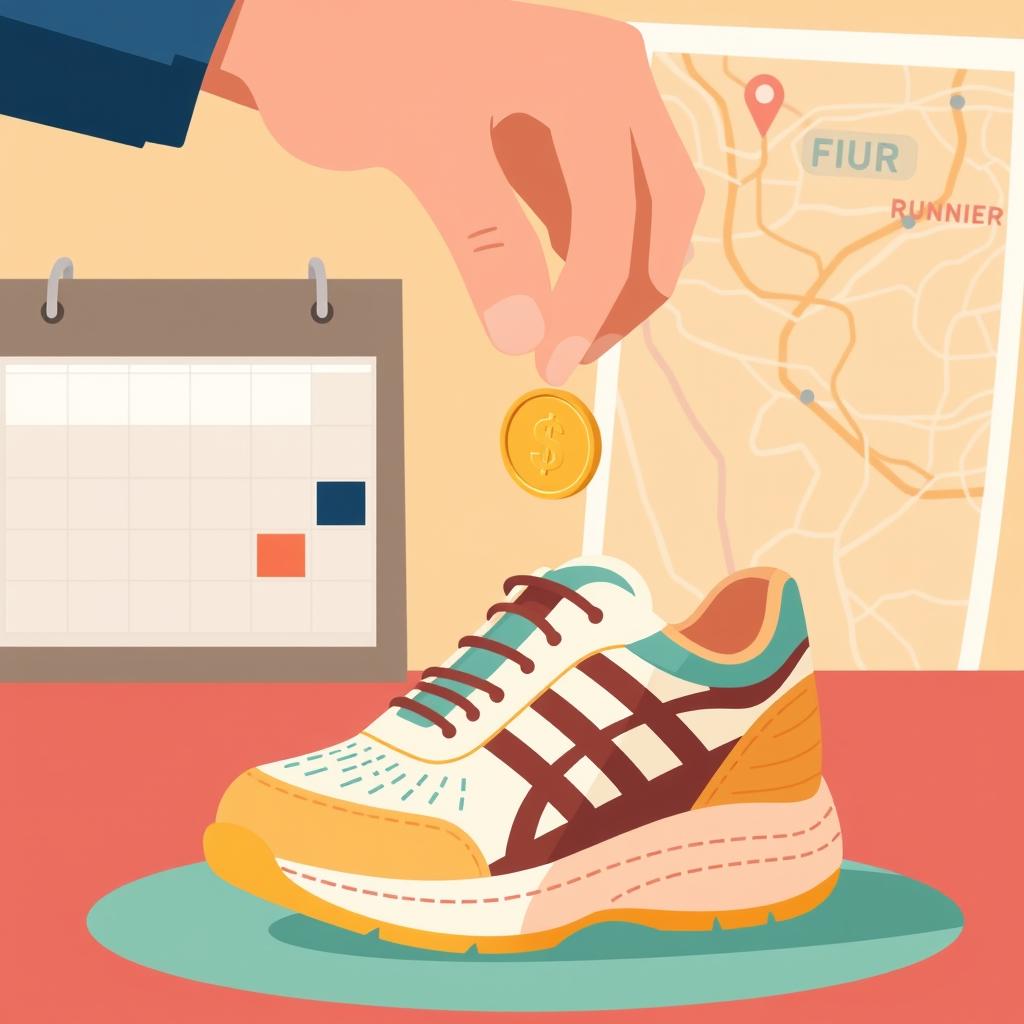
Track consistency instead of performance for the first eight weeks. A simple calendar where you mark each run day tells you more than any split time. Seeing a chain of marks grow is genuinely motivating in a way that a mediocre pace number is not.
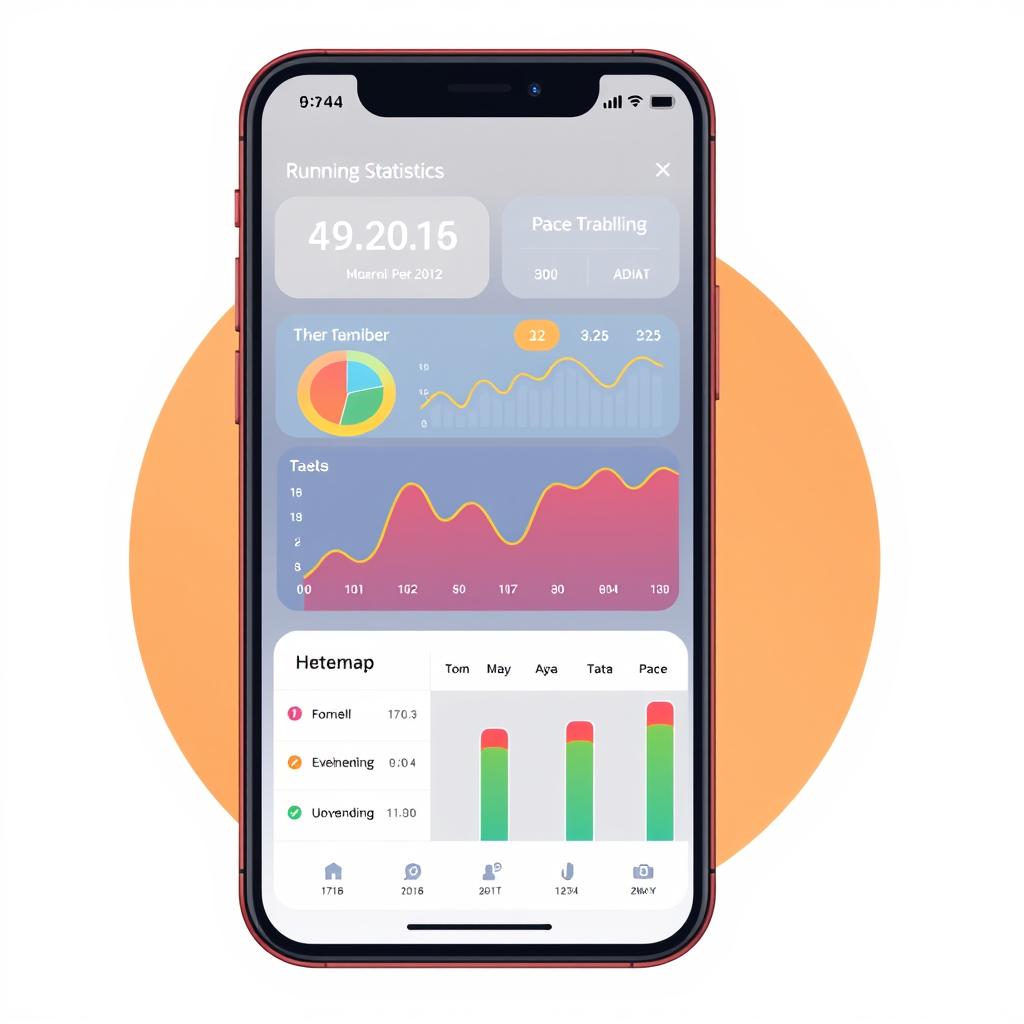
After consistency is solid, layer in one metric at a time. Start with total monthly distance. Then add average pace. Heart rate data becomes meaningful only once you have a baseline of several weeks to compare against.
Progress in running is not linear. You will have weeks where everything feels harder even though you are fitter. This is normal physiology, not failure. If you know this in advance, you will not quit during those weeks.
The Real Timeline 🗓️
Here is the honest version: give running 10 weeks before you judge whether it is working.
Week one through three will feel uncomfortable. Week four through six, your body starts adapting and easy runs feel genuinely easier. Week seven through ten, you start having runs that actually feel good. That is when the habit loop clicks.
The 21-day myth sets the expectation that week three is the finish line. It is not even the halfway point.
You are not failing because running feels hard after two weeks. You are right on schedule. Keep the runs short, keep the reward real, bring at least one other person into it, and let 66 days do what 21 never could.
🏃 Make today’s run count
Set your target pace with our free calculator, then track every run with Geowill.