You told yourself you would start running three weeks ago. You downloaded a tracking app, set a 6 AM alarm, and then snoozed it every single morning. Sound familiar?
The motivation problem in running is not about fitness. It is about the gap between knowing you should do something and actually wanting to do it. Gamification tries to close that gap. But does it actually work, or is it just a gimmick dressed up in points and badges?
Let’s get into the real answer.
What gamification in running actually means 🎮
Gamification is not just slapping a badge on your workout. At its core, it is the design principle of applying game mechanics to non-game activities to change behavior.
In running, that looks like leaderboards, streaks, rewards for showing up, and challenges that give your run a specific purpose beyond “burn calories.” The goal is to trigger the same psychological loop that keeps you glued to a video game — clear objectives, immediate feedback, and a sense of progress.
The key word is immediate. Running results take weeks or months to appear in the mirror. Game rewards appear in seconds. That difference is everything.
What the psychology actually says 🧠
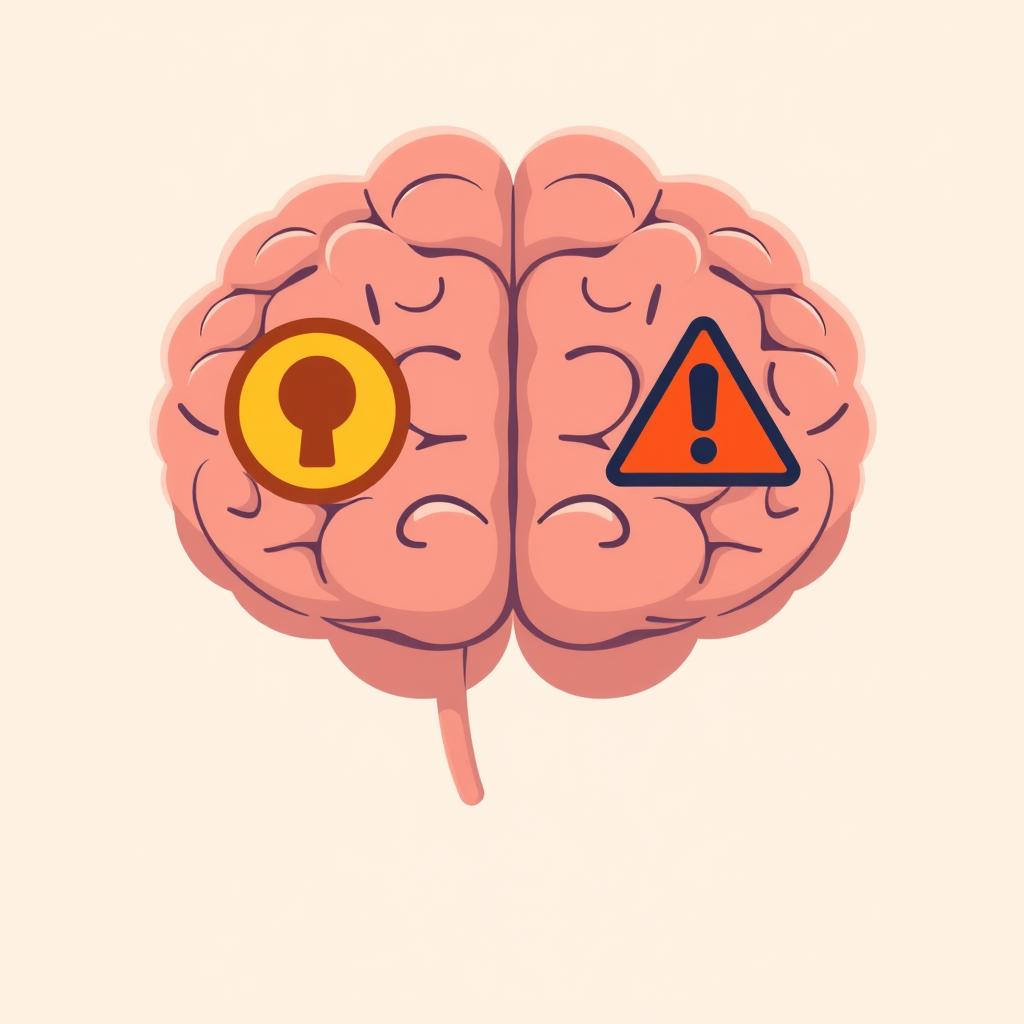
There is solid research behind this. A 2019 study published in JAMA Internal Medicine found that people in gamified fitness programs walked significantly more steps per day than control groups — not by a small margin, but by roughly 50 percent more over a 24-week period.
The mechanism is dopamine. Your brain releases it when you achieve a goal, receive a reward, or move up a ranking. Games are engineered to hit that trigger constantly. Traditional running gives you almost nothing in the short term.
But here is the nuance researchers keep finding: gamification works best when the rewards feel meaningful, not arbitrary. Earning a badge for running five days in a row feels different from earning one for logging your first kilometer. Specificity matters. Generic badges fade in relevance fast.
The three mechanics that actually move people 🏅
Not all game features are equal. Based on behavioral research and what actually sticks long-term, three mechanics consistently outperform the rest.
First: social competition with people you know. Running against strangers on a global leaderboard feels abstract. Running against your coworker or your friend from college feels personal. Studies consistently show that local or social-circle competition drives significantly more engagement than anonymous ranking systems. Apps that show you a neighborhood leaderboard — runners near you, not runners worldwide — tap into this effectively.
Second: variable rewards. This is the slot machine principle, but used ethically. If you always know exactly what reward you will get, the novelty disappears. Location-based treasure hunts work on this principle. You do not know exactly where the reward is or what you will find. That uncertainty makes the run feel like an adventure instead of a chore.
Third: co-operative goals. Running with someone toward a shared objective creates accountability that solo challenges cannot replicate. Real-time voice features — where you can literally talk to friends while you hunt for something together mid-run — add a social layer that transforms a solo activity into something closer to a group game. Apps like Geowill have built exactly this kind of co-op voice treasure hunt mechanic, and it represents a genuinely different approach to keeping people moving.
Where gamification fails (and why most people quit anyway) 💀
Here is the honest part. Gamification is not a magic fix, and it fails in predictable ways.
Novelty wears off. The research on gamified fitness apps shows a consistent pattern: engagement spikes in week one, drops sharply around week three, and often disappears by month two. If the game mechanics do not evolve or stay fresh, they stop working.
Extrinsic rewards can actually undermine intrinsic motivation. This is called the overjustification effect. If you start running only to collect points, the moment the points feel boring, you have no internal reason left to run. The best gamification design does not replace your internal motivation — it gives it a scaffold until the habit forms naturally.
The fix is to use gamification as a bridge, not a destination. Aim for 60 to 90 days of consistent running with game support. By then, habit research suggests the behavior starts to feel automatic. The game got you across the gap. Now you own the habit.
How to actually use gamification without burning out on it 🛠️
Be intentional about which mechanics you engage with. Leaderboards are motivating if competition excites you, but stressful if it does not. Know yourself.

Use location-based or goal-based challenges to give each run a purpose. “I am running today to find something” or “I am running today to beat Tuesday’s pace in this specific neighborhood” is a stronger behavioral cue than “I should run today.”
Run with someone, even digitally. The social layer is consistently the most durable motivator across fitness research. A friend who expects you to show up — even via an app — is more powerful than any badge.
Finally, track progress visually in a way that shows the arc, not just today. Monthly pace trends, route history, cumulative distance — these give you a sense of story. Your running history becomes a narrative, and people stay engaged with narratives.
So, does it actually work? 🏁
Yes — with conditions. Gamification in running genuinely helps people start, stay consistent through the hardest early weeks, and find social connection that solo running rarely offers. The evidence is real.
But it works because of psychology, not magic. The mechanics that trigger dopamine, accountability, and surprise are doing the heavy lifting. Understanding why they work helps you choose the right tools instead of just downloading whatever has the most five-star reviews.
The best running game is the one that eventually makes you forget you are playing a game at all — and just makes you love running.
🏃 Make today’s run count
Set your target pace with our free calculator, then track every run with Geowill.


