doimoigroup

[작성자:] doimoi

  • AI 시대에도 인간의 의지력이 가장 강한 무기인 이유: 보증금을 건 목표 달성의 심리학

    요즘 들어 자꾸 이런 생각이 들지 않나요?

    “나는 왜 작심삼일도 못 하지?”

    헬스장 3개월 결제해놓고 한 달 만에 안 가기 시작한 적 있죠. 유튜브 알고리즘이 추천해준 ’30일 챌린지’를 저장만 해두고 한 번도 시작 안 한 적도 있을 거예요. 그러면서 스스로를 탓해요. “나는 의지력이 없는 사람이야”라고요. 근데 이게 정말 의지력의 문제일까요? 저는 아니라고 생각해요.

    🤖 AI가 잘하는 것과 우리가 잘해야 할 것

    AI는 요즘 정말 무섭도록 발전했어요. 코드를 짜주고, 글을 써주고, 데이터를 분석해주고, 심지어 공부 계획까지 세워줘요. 이 흐름을 보면서 많은 사람들이 “앞으로 인간은 뭘 해야 하나”라는 불안을 느끼더라고요.

    근데 재미있는 역설이 하나 있어요. AI가 정보 처리와 판단의 영역을 빠르게 가져가면 갈수록, 오히려 인간이 잘해야 하는 영역이 선명해지거든요. 그건 바로 ‘실제로 행동하는 것’이에요. AI는 러닝 계획을 완벽하게 짜줄 수 있어요. 근데 신발 끈을 묶고 문 밖으로 나가는 건 AI가 대신해줄 수가 없잖아요.

    지식과 계획은 이제 거의 공짜예요. ChatGPT에 물어보면 5초 안에 내 수준에 맞는 운동 루틴이 나와요. 그런데도 대부분의 사람이 그 루틴을 실행하지 못하는 이유는 뭘까요? 정보가 부족해서가 아니에요. 행동을 이끌어내는 심리적 장치가 없기 때문이에요.

    그 심리적 장치 중에 현재까지 인간에게 가장 강력하게 작동하는 게 하나 있어요. 바로 손실 회피예요.

    💸 손실 회피: 인간의 뇌가 설계된 방식

    행동경제학자 다니엘 카너먼과 아모스 트버스키가 1970년대에 밝혀낸 사실이 있어요. 인간은 같은 금액의 이익을 얻는 기쁨보다 같은 금액을 잃는 고통을 약 2배에서 2.5배 더 강하게 느낀다는 거예요. 쉽게 말하면, 1만원을 버는 행복보다 1만원을 잃는 아픔이 훨씬 크다는 거죠.

    이걸 ‘손실 회피(Loss Aversion)’라고 불러요.

    이게 왜 의지력이랑 연결되냐면요. 우리가 목표를 세울 때 보통 “이걸 달성하면 좋겠다”는 이익 프레임으로 생각해요. “한 달에 20km 뛰면 뭔가 건강해지겠지”처럼요. 근데 이 프레임은 뇌 입장에서 굉장히 약한 자극이에요. 당장 소파에 누워 있는 게 더 편하니까, 미래의 막연한 이득은 현재의 안락함을 이길 수가 없어요.

    반면에 “이걸 못 달성하면 1만원을 잃는다”는 손실 프레임은 완전히 달라요. 뇌가 즉각적으로 반응해요. 손실이 구체적이고 확정적일수록 그 자극은 더 강해지고요.

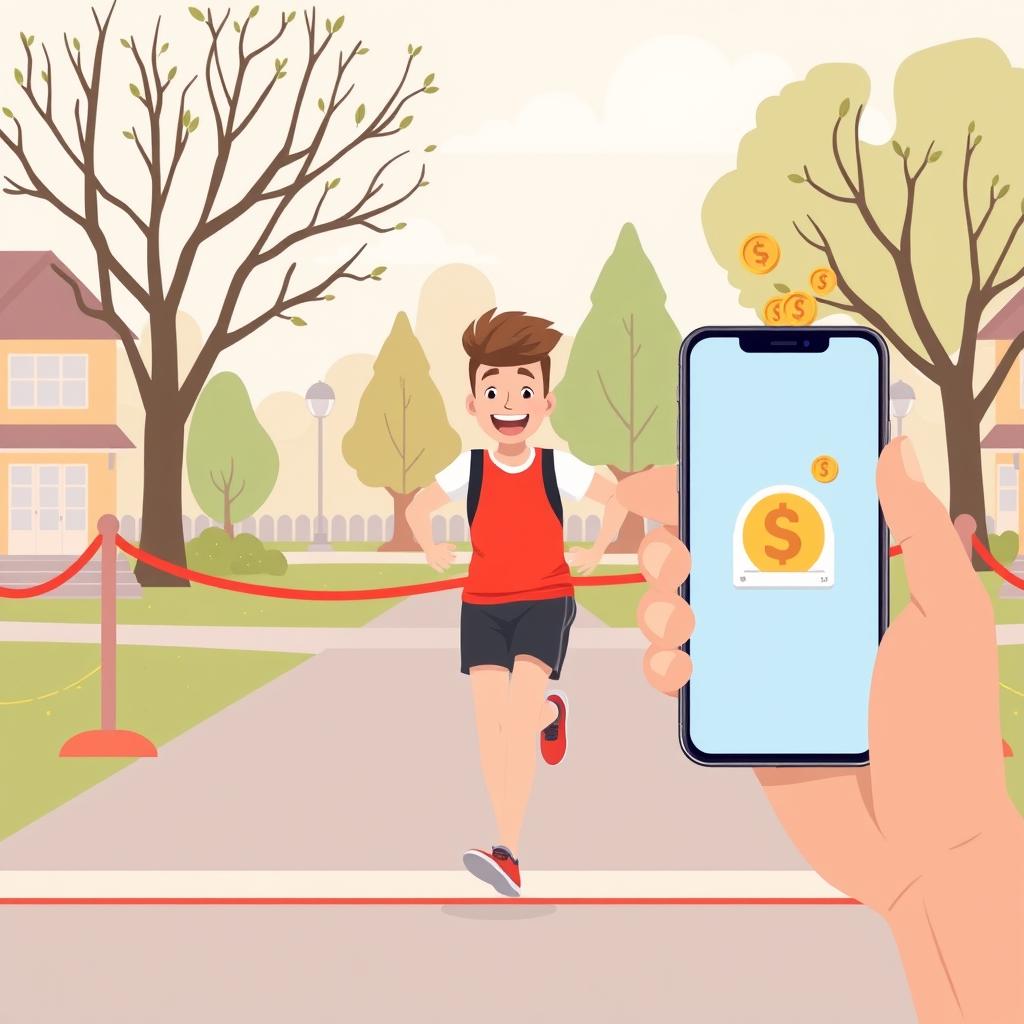
    미국 펜실베이니아대학교 연구팀이 실제로 이걸 실험한 적 있어요. 체중 감량 목표를 세운 두 그룹을 만들었는데, 한 그룹은 목표 달성 시 보상을 받는 방식, 다른 그룹은 먼저 돈을 예치하고 목표 미달성 시 잃는 방식으로 진행했어요. 결과는 보증금을 건 그룹의 목표 달성률이 약 3배 높았어요. 보상의 크기가 같아도 손실 프레임이 훨씬 강했던 거예요.

    🔒 보증금 방식이 다른 동기부여와 결정적으로 다른 이유

    “나 이번엔 진짜야”를 수십 번 외쳐봤는데도 안 됐던 이유를 이제 좀 알겠죠. 그 다짐은 손실이 없는 다짐이에요. 안 지켜도 자기 스스로 좀 부끄러울 뿐, 실제로 잃는 게 없거든요. 뇌는 그 부끄러움을 금방 합리화해버려요. “오늘 좀 피곤했잖아”, “다음 주부터 하면 되지”처럼요.

    근데 보증금을 걸면 얘기가 달라져요. 세 가지가 동시에 작동하기 시작하거든요.

    첫째, 시작 비용이 이미 발생했다는 느낌이에요. 심리학에서 ‘매몰 비용 효과’라고 하는데, 한번 투자한 게 있으면 포기하기가 훨씬 어려워져요. 5천원짜리 커피를 사놓고 한 모금 마셨을 때 맛이 없어도 다 마시는 것처럼요.

    둘째, 결과가 즉각적이고 확정적이에요. “건강해지겠지”는 6개월 뒤의 이야기지만 “보증금 날린다”는 이번 달 말의 이야기예요. 뇌는 먼 미래보다 가까운 미래에 훨씬 민감하게 반응해요. 행동경제학에선 이걸 ‘현재 편향(Present Bias)’이라고 불러요.

    셋째, 실패의 사회적 가시성이에요. 내가 걸어둔 보증금이 다른 사람에게 돌아간다는 구조는, 단순히 돈을 잃는 것보다 더 강한 동기를 만들어요. 사람은 사회적 동물이라, 타인에게 지는 것에 대한 두려움이 굉장히 커거든요.

    이 세 가지가 함께 작동할 때, 뇌는 비로소 소파를 박차고 일어날 만한 충분한 이유를 찾게 돼요.

    🧠 그래서 의지력이란 무엇인가

    여기서 한 가지 오해를 풀고 싶어요. 보증금 방식이 작동한다고 해서 “환경이 전부고 의지력은 없어도 된다”는 결론이 나오는 건 아니에요. 오히려 반대예요.

    의지력에 대한 오래된 오해는 그것이 마치 근육처럼 쓸수록 고갈된다는 거였어요. 2011년 로이 바우마이스터의 ‘자아 고갈(Ego Depletion)’ 이론이 유명해지면서 “의지력을 아껴야 한다”는 식의 조언이 넘쳐났죠.

    근데 2016년 이후 여러 대규모 연구에서 이 이론이 재현되지 않는 경우가 많았어요. 오히려 최근 연구들은 의지력이 고갈되는 게 아니라, 의지력에 대한 믿음이 행동에 영향을 준다는 쪽으로 흘러가고 있어요. 자신이 의지력이 있다고 믿는 사람은 피곤해도 계속 수행하고, 없다고 믿는 사람은 일찍 포기한다는 거예요.

    이게 중요한 이유가 여기 있어요. 보증금 같은 외부 장치는 의지력을 대체하는 게 아니에요. 의지력이 켜질 수 있는 환경을 만드는 거예요. 처음 몇 번은 손실 두려움에 이끌려 억지로 나가게 될 수 있어요. 근데 그렇게 나가서 뛰고 나면, 뇌에 작은 변화가 생겨요. “나 이거 할 수 있네”라는 증거가 쌓이기 시작하는 거죠. 그 증거가 쌓일수록 의지력에 대한 자기 믿음이 강해지고, 나중엔 보증금 없이도 스스로 움직이는 사람이 될 수 있어요.

    AI가 일정을 짜주고 데이터를 분석해줄 수 있지만, 이 내면의 자기 믿음을 쌓는 과정은 오롯이 인간의 몫이에요. 그게 바로 AI 시대에도 의지력이 가장 강한 무기인 이유예요.

    🏃 보증금 방식을 일상에 실제로 적용하는 법

    이 원리를 활용하는 방법은 앱 없이도 만들 수 있어요. 핵심은 세 가지예요.

    첫째, 잃을 금액은 ‘아프지만 파산하지 않는 수준’으로 잡아요. 너무 작으면 뇌가 무시하고, 너무 크면 불안감이 목표보다 앞서요. 2030세대 기준으로 실험해보면 1만원에서 3만원 사이가 가장 반응이 좋았다는 연구 결과도 있어요.

    둘째, 목표는 반드시 측정 가능하고 기간이 명확해야 해요. “더 건강해지기”는 보증금 방식에 어울리지 않아요. “4주 안에 총 20km 달리기”처럼 완료 여부를 누구나 판단할 수 있는 형태여야 해요.

    셋째, 제3자를 개입시키세요. 친구에게 돈을 맡기거나, 실패 시 기부하는 약속을 공개하거나, 아니면 구조적으로 이걸 지원하는 플랫폼을 활용하는 거예요. 예를 들어 지오윌 같은 앱은 이 보증금 구조를 달리기 목표에 그대로 녹여서, 실패하면 보증금이 성공한 다른 사용자들에게 분배되는 방식으로 설계돼 있어요. 제3자 개입이 자동화되어 있는 셈이죠. 이런 구조가 왜 중요하냐면, 스스로에게 하는 약속은 스스로 면죄부를 줄 수 있지만, 제3자가 있으면 그 탈출구가 막히거든요.

    ✨ 마무리: 의지력은 타고나는 게 아니에요

    다시 처음으로 돌아가서, 작심삼일을 반복하던 자신을 탓하지 마세요. 그건 의지력이 없는 게 아니라, 의지력이 작동할 환경을 설계하지 않은 거예요.

    AI 시대에 정보는 더 이상 차별화 요소가 아니에요. 같은 러닝 계획서를 수백만 명이 동시에 받을 수 있는 시대니까요. 하지만 그 계획을 실제로 실행하고, 비가 와도 나가고, 피곤해도 신발 끈을 묶는 그 순간의 선택은 여전히 인간의 영역이에요.

    그 선택을 더 쉽게 만들어주는 가장 강력한 심리 장치가 바로 손실 회피를 활용한 보증금 방식이에요. 오늘 당장 친구에게 카톡으로 “나 이번 달에 20km 못 뛰면 저녁 살게”라고 보내는 것만으로도, 당신의 뇌는 이미 다른 모드로 전환되기 시작해요.

    의지력은 타고나는 게 아니라, 설계하는 거예요.

  • Why Your New Year’s Running Resolution Fails (And How to Fix It)

    It is January 4th. Your new running shoes are still in the box because the weather is too cold, your bed is too warm, and honestly you can convince yourself you will start tomorrow. By January 20th the shoes are under the bed. By February the resolution is a private joke you make with yourself every time you open the fitness app you downloaded and never used. Sound familiar? You are not lazy. You are not weak-willed. You are just fighting the wrong battle using the wrong tools.

    Let us talk about what is actually going on in your brain, why the standard advice fails, and what approaches are genuinely backed by evidence and real-world results.

    Why “Just Build the Habit” Is Incomplete Advice 🧠

    You have heard it a hundred times. Start small. Run five minutes a day. Stack it onto an existing habit. Make it easy. And yes, there is solid research behind habit formation, specifically BJ Fogg’s work on tiny behaviors and James Clear’s popularization of identity-based habits. The advice is not wrong. But it is incomplete, because it treats motivation as a side issue when motivation is actually the main event in the first three months.

    Here is the problem. A habit, by definition, is a behavior that has become automatic through repetition. Getting to automatic takes consistent repetition, which requires consistent motivation before the habit is established. Telling someone to just build the habit skips the 60 to 90 days where motivation has to actively carry the load. Research published in the European Journal of Social Psychology found it takes an average of 66 days for a behavior to become truly automatic, and for more complex behaviors like running it can stretch closer to 90 days. That is a long time to rely purely on willpower.

    The practical gap is this: you need a bridge strategy for those 60 to 90 days, something that generates reliable motivation on days when running feels optional. Most resolution advice never gives you that bridge.

    The Specific Moment Resolutions Die 💀

    If you look at fitness app engagement data, January downloads spike around the 1st, then usage drops sharply around the 12th to 14th. Google Trends searches for “how to start running” peak in the first week of January and fall back to baseline by the second week of February. This is so consistent it has its own nickname: Quitter’s Day, which falls on the second Friday of January according to data analyzed by Strava across millions of users.

    The drop-off is not random. It maps almost exactly onto the first week that running stops feeling new and exciting and starts feeling like work. The novelty effect, which is a measurable neurochemical response your brain has to new stimuli, wears off in roughly 7 to 14 days. After that, the dopamine you were getting just from the freshness of the activity disappears, and you are left with the raw difficulty of running without the neurochemical reward.

    This is why people say things like “I was so motivated at first, I do not know what happened.” Nothing went wrong with your character. Your brain just processed the activity as no longer novel. Without a replacement reward structure, the behavior feels unrewarded and fades.

    What Gamification Actually Does to Your Brain 🎮

    Gamification gets dismissed as gimmicky, but that misunderstands the mechanism. The point is not to trick yourself into running by pretending it is a video game. The point is to engineer consistent, variable rewards into an activity that would otherwise only deliver rewards infrequently and unpredictably.

    Variable reward schedules, made famous by B.F. Skinner and later applied extensively in game design, are neurologically more compelling than fixed reward schedules. A slot machine pays out on a variable schedule and that is precisely why it is more engaging than a vending machine that reliably gives you a snack. When you do not know exactly when the next reward is coming, your brain stays more alert and engaged.

    Applied to running, this means replacing “I ran 3km and now I feel mildly okay about myself” with a structure that delivers unpredictable, layered rewards. XP points that unlock new levels. Rare collectibles that appear at random locations. Streaks with escalating stakes. These are not distractions from the fitness goal. They are scaffolding that keeps you showing up long enough for the actual fitness benefits and genuine habit formation to kick in.

    The research supports this. A 2019 study in JMIR Serious Games found that gamified fitness apps increased physical activity levels by an average of 27 percent compared to standard tracking apps over a 12-week period. That 12-week window is almost exactly the gap where motivation needs to carry the load before habit automation takes over.

    Some apps have taken this seriously. Geowill, for example, built its entire design around location-based treasure hunts where rare and legendary collectibles appear randomly on a map near you, and you have to physically run to them to collect them. The variable reward is baked directly into the GPS movement, so the run itself becomes the mechanism of discovery rather than just the price you pay for the reward.

    Why Accountability Alone Is Not Enough (But Community Is) 🤝

    There is a popular piece of advice that says “tell people about your goal” or “get an accountability partner.” The intention is good but the execution often backfires. Research by Peter Gollwitzer at NYU found that when people announce goals publicly, their brains sometimes register the social recognition of the announcement itself as partial goal achievement, which actually reduces motivation to follow through. Telling the world you are going to run a 5K can feel almost as good as running it.

    What works differently, and better, is embedded community rather than announced accountability. The distinction matters. Announced accountability is: “I told my friends I will run three times this week, so now I feel watched.” Embedded community is: “There are people in my neighborhood running right now, and I am either part of that or I am not.”

    The psychological mechanism here is belonging and social identity rather than external pressure. When you identify as a runner in a specific community, skipping a run costs you something that matters to you: your place in that social group. This is far more durable than the temporary discomfort of letting down an accountability partner.

    Neighborhood-based running communities leverage this especially well because proximity adds stakes. It is one thing to disappear from an online fitness forum. It is another to see the runners you know from your block showing up on a real-time map in your area while you are sitting on your couch. Local social context makes abstract social comparison concrete and immediate.

    The Financial Stakes Method: Why Putting Money On It Works 💰

    One of the most underused motivation tools is commitment devices with real financial consequences. This is not a gimmick. It is behavioral economics applied directly to your own brain.

    Richard Thaler and Shlomo Benartzi’s research on loss aversion shows that people feel the pain of losing something roughly twice as intensely as they feel the pleasure of gaining something equivalent. Losing 10,000 won feels about twice as bad as winning 10,000 won feels good. This asymmetry, known as loss aversion, is hardwired into human psychology and you can deliberately use it to your advantage.

    The structure that works is simple: you commit a specific amount of money against a specific, measurable goal with a specific deadline. Not “I will run more,” but “I will run 20km total within the next 30 days, and I am putting 10,000 won on it.” If you succeed, you get the money back. If you fail, you lose it.

    The research on commitment contracts like this is genuinely impressive. A study published in Preventive Medicine Reports found that financial commitment contracts increased the probability of meeting exercise goals by 47 percent. The key is that the stakes have to feel real. A token amount you would not notice losing does not trigger sufficient loss aversion. The number needs to sting a little.

    Apps like Geowill have formalized this into what they call a “burn your bridges” mission, where your deposit goes into a pool that gets redistributed to successful participants if you fail. That structure adds a second layer: your failure literally funds someone else’s reward, which intensifies the loss aversion response significantly.

    If you want to try this without any app, you can do it manually. Write down your goal, deposit cash with a friend, and agree in writing what constitutes success or failure. The psychological effect of a physical commitment, even on paper, measurably increases follow-through rates.

    Building Your Own Anti-Quit System in January 🛠️

    Based on everything above, here is a concrete framework you can apply starting today.

    First, accept that the first two weeks will feel good on their own. Do not mistake early enthusiasm for a habit. Use those two weeks to establish your reward structures before the novelty wears off, not after.

    Second, choose one gamified element and one financial element. The gamified element should deliver variable rewards: a running app with challenges, collectibles, or streak bonuses, or simply a personal point system you maintain in a notes app where you award yourself points for different run distances and conditions. The financial element should follow the commitment contract model described above, with a real number that stings.

    Third, find one local runner or running group before week two ends. Not a global forum. Ideally someone in your neighborhood or same city district. The local social proximity effect only activates when you feel the community is physically nearby and observable.

    Fourth, define failure specifically. “I will run three times a week” fails because it has no endpoint and no stakes. “I will run a total of 30km in January and I owe my friend 15,000 won if I do not have a screenshot of my GPS logs to prove it by January 31st” is a commitment contract.

    Fifth, plan for the 14-day slump explicitly. Put a reminder in your calendar for January 15th that says: the novelty is gone and this is where most people quit. Have your backup motivation ready: your financial stake, your local running notification, your streak counter. Knowing the slump is coming does not eliminate it, but it removes the psychological surprise that makes people interpret the motivational dip as personal failure.

    Closing Thoughts 🌅

    The reason your running resolution fails is not a character flaw. It is a design flaw. You are using a motivation structure, pure willpower and vague intention, that was never built to survive beyond two weeks against a behavior that takes two to three months to become automatic.

    The fix is engineering: variable rewards that keep your brain engaged, financial stakes that activate loss aversion, and local community that ties your identity to the behavior before the habit is solid enough to stand on its own. These are not hacks. They are how human motivation actually works, applied intentionally.

    This January, do not just set a resolution. Build the scaffolding. The run will follow.

  • AI時代の健康管理で本当に大切なこと——地域コミュニティが生む「動機付け」の力

    「よし、明日から走ろう」と思って、気づいたら三週間が経っていた経験、ありませんか?🏃

    スマートウォッチは心拍数を測り、AIアプリは最適なトレーニングプランを提案してくれる。睡眠の質まで数値化して「今日は軽めにしましょう」とアドバイスが来る。テクノロジーの観点からいえば、私たちはこれ以上ないほど「健康管理のサポート」を受けている時代にいる。

    なのになぜ、ランニングシューズは玄関で埃をかぶっているのか。

    これはサボりの問題でも、意志力の問題でもない。もっと根本的な話だ。AIが得意なことと、人間が動くために本当に必要なことの間に、まだ大きなギャップがある。そのギャップを埋めるのが「地域コミュニティによる動機付け」で、これはAIには今のところ真似できない領域だという話をしていきたい。

    🤖 AIが健康管理で得意なことと、苦手なこと

    AIベースの健康アプリが本当に優秀なのは「分析と最適化」だ。過去30日間の運動データからリカバリーに必要な時間を計算したり、VO2maxの推定値からレースペースを提案したりするのは、人間のコーチより正確な場合すらある。

    でも、ここで一度立ち止まって考えてほしい。あなたが朝のアラームを止めて「やっぱり今日はやめておこう」と布団に潜り込むとき、何が欠けていたのか。

    情報ではない。「走ると健康にいい」なんて全員知っている。最適なトレーニングプランでもない。問題は「今この瞬間、外に出る理由」が見当たらないことだ。

    これを心理学では「即時の動機(immediate motivation)」と呼ぶ。人間の行動は、遠い未来の報酬よりも今日・今すぐの感情に強く左右される。三か月後に体重が落ちるという予測値は、布団の温もりに勝てない。AIがどれだけ精密なデータを出しても、「今すぐ動きたい気持ち」を生み出すことは、まだほとんどできていない。

    👥 人が人を動かすメカニズム——「見られている感覚」の力

    行動経済学に「観察効果」という概念がある。人は誰かに見られていると感じるとき、行動が変わる。これは監視されているプレッシャーではなく、もっと根本的な「社会的存在としての本能」に近い。

    具体的な例を挙げると、2011年にハーバード大学の研究チームが行った実験では、図書館に鏡を置いただけでゴミのポイ捨てが減ったという結果が出た。人は自分の姿を「見る」だけで行動が変わるのだ。

    ランニングに当てはめると、近所を走っているとき、顔見知りのランナーとすれ違う経験がある人はわかると思う。「あ、またあの人走ってる」と思われる側になると、なんとなく「今日も行かないと」という気になる。これはアプリのリマインダー通知とはまったく別の動機付けだ。通知は無視できるが、近所の人の記憶からは消えない。

    地域コミュニティが生み出す動機付けの本質は、この「リアルな観察効果」にある。アルゴリズムが作り出すバーチャルな承認ではなく、同じ道路・同じ公園という物理的な空間を共有している人たちとのつながりが、習慣の継続を支える。

    🗺️ 「場所」と「コミュニティ」を結ぶと何が起きるか

    ここで面白い現象がある。オンラインコミュニティと地域コミュニティでは、同じ「応援」でもまったく効果が異なるという点だ。

    Stravaのような全国規模のランニングSNSで知らない人から「いいね」をもらっても、モチベーションへの影響は比較的小さい。でも、同じ区内に住むランナーが「昨日あの坂道のあたりで見かけましたよ!」とコメントしてくれたとき、感じるインパクトは全然違う。

    理由は「文脈の共有」だ。同じ場所を知っている人と話すとき、言葉の重みが変わる。「あの急な坂、きついですよね」という一言に、地図上の座標と汗と疲労感がすべて込められている。これはオンライン上のどんな精密なコメントシステムでも再現できない要素だ。

    地域ベースのランニングコミュニティが特に効果を発揮するのは、このような「文脈の共有」があるからだ。お互いの走るルートを知っている、同じ公園を使っている、梅雨の時期に同じ悩みを持っているという具体性が、つながりを深める。

    最近、このアプローチを取り入れたアプリとしてGeowillがある。地図上に「宝物」が出現して、そこまで実際に走って行ってチェックインするという仕組みで、走るという行動と特定の場所を結びつけている。さらに近所のランナーのリアルタイム位置やランキングが見える設計になっていて、「同じ地域にいる人と走っている感覚」を作り出している。これは前述した地域コミュニティの観察効果をデジタルで実装しようとした例として面白い。

    💸 「損失回避」という最強の動機付けを使いこなす

    地域コミュニティとは別に、行動経済学から一つ実践的なヒントを紹介したい。

    ノーベル経済学賞を受賞したダニエル・カーネマンの研究によれば、人間は「同じ金額の利益を得る喜び」より「同じ金額を失う痛み」のほうを約2倍強く感じる。これを「損失回避バイアス」と呼ぶ。

    つまり、「走ったら健康になれる」という正の報酬より、「走らないと何かを失う」という負の状況のほうが、行動を引き出す力が強い。これを自分の習慣形成に使う方法がある。

    実践的な方法として、「コミットメント・デバイス」と呼ばれる手法がある。具体的には、友人に「今月100km走れなかったら、お前の好きなレストランで一人分おごる」と宣言する。これだけで、走る確率は劇的に上がる研究結果が複数存在する。

    ポイントは二つだ。一つ目は「損失」が具体的な金額や価値を持っていること。二つ目は「宣言する相手が実在の人物」であること。自分の日記に書いても意味がない。誰かに話した瞬間に、社会的なコミットメントが発生する。

    地域コミュニティとの組み合わせが強力なのはここで、近所の顔見知りに宣言することで、上述した観察効果と損失回避バイアスが同時に機能するからだ。

    🌱 AI時代に「地域」が再評価される理由

    少し大きな話をしたい。AIが発達すればするほど、逆説的に「ローカルなつながり」の価値が上がっていくと思っている。

    理由はシンプルで、AIが最適化できるのは基本的に「個人の内側」にあるデータだ。心拍数、歩数、カロリー。これらはすべて「自分の身体の数値」だ。でも人間が行動するエネルギーの多くは、「他者との関係性」から生まれる。それは数値化が難しく、アルゴリズムで再現しにくい領域だ。

    2020年代に入って、コロナ禍を経験した多くの人が「近所のつながりの大切さ」を再発見した。毎日通り過ぎていたパン屋の名前を初めて意識したり、同じ公園を散歩する人と話すようになったりした。あの経験が教えてくれたのは、健康に関して言えば、孤独な最適化より、緩いつながりのある継続のほうが長続きするという事実だ。

    「週5で完璧に走る孤独なランナー」より「週2でも近所の仲間と楽しく走り続ける人」のほうが、5年後に健康でいる確率が高い。これはデータが示していることでもあり、直感的にも腑に落ちるはずだ。

    🎯 今日から使える具体的な三つの行動

    まとめとして、AI時代の健康管理において「人間にしかできない動機付け」を活用するための、明日からできる具体的な行動を三つ挙げる。

    一つ目は「走るルートを固定して顔見知りを作る」こと。同じ公園・同じ時間帯を二週間続けると、必ず見知った顔ができる。挨拶から始めるだけでいい。その人の存在が、雨の日に外に出るための小さな理由になる。

    二つ目は「宣言のハードルを下げて、でも具体的にする」こと。「健康になりたい」ではなく「今月の日曜日、四回走る。達成できなかったらランチおごる」という形で、金額・期限・相手を明確にして身近な誰かに伝える。

    三つ目は「記録ではなく体験を共有する」こと。タイムや距離をシェアするよりも、「今日走ったら夕焼けがすごくきれいだった」という体験の共有のほうが、コミュニティとのつながりを深める。数値はAIに任せて、人間同士ではストーリーをやり取りする。

    AI時代の健康管理は、テクノロジーを使いこなしながら、人間ならではの感情・関係性・場所の感覚を捨てないことが核心だ。データを見るのはAIに任せていい。でも「今日走ろう」と思わせてくれるのは、結局、近所で走っている誰かの姿だったりする。その小さな現実を、一番大切にしてほしい。

  • Por qué apostar dinero real te hace correr más que cualquier app de fitness

    Seamos completamente honestos un momento. ¿Cuántas veces has descargado una app de fitness, la usaste tres días seguidos con entusiasmo total, y para la segunda semana ya estaba sepultada en la página cinco de tu teléfono? Si eso te suena familiar, no es falta de voluntad. Es neurociencia pura. Y la solución que la ciencia lleva años señalando no es otra meditación guiada ni otra racha de notificaciones empujándote a “cerrar los anillos”. Es algo mucho más primitivo: el dinero.

    Los sistemas de fitness que incorporan apuestas reales, con consecuencias económicas concretas, consiguen tasas de adherencia significativamente más altas que los modelos tradicionales de recompensas virtuales. Hay estudios que lo demuestran, hay mecanismos cerebrales que lo explican, y hay razones muy específicas por las que una aplicación que te cobra si no cumples funciona mejor que una que te da una medalla digital. Vamos a ver exactamente por qué.

    La trampa de las recompensas vacías 🧠

    El modelo estándar de gamificación en fitness funciona así: corres 5 km, desbloqueas una insignia, tu app te felicita con una animación de confeti. La primera vez se siente bien. La décima vez, el cerebro ya anticipó esa recompensa antes de que llegara, y el efecto dopaminérgico cae en picado. Esto se llama habituación hedónica, y es el enemigo silencioso de cualquier sistema de recompensas fijas.

    El problema no es la gamificación en sí misma. El problema es que los puntos XP, las rachas y las medallas son recompensas predecibles. Cuando el cerebro puede anticipar exactamente cuándo va a llegar la recompensa y exactamente cuánto vale, deja de liberar dopamina de forma eficiente. Esto está documentado en decenas de estudios sobre circuitos de recompensa. El sistema dopaminérgico responde mucho más intensamente a la incertidumbre que a la certeza.

    Un estudio publicado en el Journal of Consumer Psychology en 2012 demostró que las personas trabajaban más duro cuando la recompensa era variable e incierta que cuando era fija y garantizada. Las máquinas tragaperras llevan décadas explotando exactamente este principio. La diferencia entre una app de fitness convencional y una que incorpora elementos de riesgo real es precisamente esa: la segunda activa circuitos cerebrales mucho más potentes.

    La asimetría que lo cambia todo: perder duele más que ganar 💸

    Aquí entra en juego uno de los descubrimientos más robustos de la economía conductual. Daniel Kahneman y Amos Tversky demostraron en su teoría prospectiva que las pérdidas se procesan psicológicamente con una intensidad aproximadamente 2,5 veces mayor que las ganancias equivalentes. No es subjetivo. Es una asimetría neurológica medible.

    Lo que esto significa en términos prácticos es devastadoramente simple: perder 10 euros te duele psicológicamente el doble que lo bien que te sientes ganando 10 euros. Tu cerebro no trata el dinero de forma simétrica. La corteza prefrontal y la amígdala reaccionan de formas cualitativamente distintas ante la pérdida potencial.

    Ahora aplica eso al ejercicio. Si una app de fitness convencional te ofrece 500 puntos por salir a correr hoy, esa es una ganancia potencial. Tu cerebro la evalúa con cierto interés, pero no con urgencia. Si en cambio has depositado 15 euros que vas a perder si no cumples tu objetivo de 20 km esta semana, esa es una pérdida potencial. Tu cerebro la evalúa con una intensidad 2,5 veces mayor. La motivación que genera no es comparable.

    Un experimento de la Universidad de Pennsylvania del año 2016, publicado en Annals of Internal Medicine, comparó tres grupos de personas con objetivos de ejercicio. El primer grupo recibía recompensas económicas por cumplir. El segundo perdía dinero por no cumplir. El tercero no tenía incentivo económico. El grupo con pérdidas potenciales fue consistentemente el que más ejercicio hizo, incluso semanas después de que terminara el experimento.

    El efecto de compromiso previo: cómo el futuro yo se vuelve más serio 🔒

    Hay otro mecanismo que la ciencia conductual llama precommitment, o compromiso previo. La idea es simple: cuando tu yo del presente toma una decisión que vincula al yo del futuro, aumentas drásticamente la probabilidad de cumplir.

    El economista Richard Thaler, premio Nobel en 2017, ha documentado extensamente cómo los seres humanos tienen una tendencia consistente a subestimar la fuerza de sus impulsos futuros. Hoy a las 10 de la noche te parece perfectamente razonable levantarte mañana a las 6 a correr. Mañana a las 6, tu cerebro tiene prioridades completamente distintas.

    El compromiso previo con consecuencias reales cambia ese cálculo. Cuando has depositado dinero real antes de empezar, ya no es solo una promesa a ti mismo. Hay un mecanismo externo que hace cumplir esa promesa. El yo del futuro ya no puede renegociar tan fácilmente porque el coste de hacerlo es tangible e inmediato.

    Las plataformas que funcionan con este modelo, donde el usuario deposita una cantidad y la pierde si no cumple un objetivo específico en un plazo definido, explotan exactamente esta combinación: aversión a la pérdida más compromiso previo. Es una combinación que las apps convencionales de fitness simplemente no pueden replicar con medallas digitales.

    Aplicaciones como Geowill llevan este concepto un paso más allá al añadir una capa de redistribución social: si fallas, tu depósito no desaparece en abstracto sino que se distribuye entre quienes sí cumplieron. Eso añade un elemento de comparación social que amplifica aún más la motivación, porque ahora no solo estás perdiendo dinero, estás enriqueciendo a personas que hicieron lo que tú no pudiste.

    Por qué el contexto social con consecuencias reales multiplica el efecto 👥

    La motivación social en fitness funciona, pero con condiciones muy específicas. Las investigaciones del psicólogo Robert Cialdini sobre influencia social muestran que la presión de grupo es más efectiva cuando la comparación es con personas similares en contexto y cuando las consecuencias son visibles.

    Una app que te muestra el ranking global de millones de usuarios tiene un efecto motivacional casi nulo para la mayoría de personas. Es demasiado abstracto. Pero ver que tu vecino del barrio que empezó a correr el mismo mes que tú ya ha completado 15 km más que tú esta semana, eso activa algo diferente.

    La granularidad geográfica importa enormemente. Un estudio de Stanford de 2015 sobre 459 millones de días de actividad física de usuarios de dispositivos portátiles encontró que la motivación social funcionaba de manera muy diferente según el tipo de comparación. Las comparaciones con personas en contextos radicalmente distintos (clima diferente, infraestructura diferente, horarios diferentes) tenían poco efecto. Las comparaciones hiperlocales, con personas que viven y se mueven en el mismo entorno, tenían un impacto significativo y sostenido.

    Cuando combinas esa presión social localizada con consecuencias económicas reales, el efecto se multiplica. No es solo que alguien más esté corriendo más que tú. Es que literalmente se va a llevar parte de tu dinero si no te mueves.

    Lo que las apps convencionales ignoran: el problema de la fricción mínima ⚡

    Paradójicamente, una de las razones por las que muchas apps de fitness modernas fallan es que han eliminado demasiada fricción. La filosofía de diseño UX estándar dice que cuanta menos fricción, mejor experiencia, mayor retención. Pero la psicología del comportamiento dice algo más matizado.

    Un paper de 2018 en Psychological Science mostró que ciertos niveles de fricción no reducen la motivación sino que la aumentan. Cuando algo requiere un pequeño esfuerzo adicional de tu parte, el cerebro lo valora más. Esto se llama el efecto IKEA, documentado por Michael Norton de Harvard: la gente valora más aquello en lo que invirtió esfuerzo propio.

    Depositar dinero antes de empezar un desafío es exactamente ese tipo de fricción productiva. No es un obstáculo que elimina usuarios. Es un filtro que selecciona a las personas que realmente se comprometen, y ese compromiso inicial activa una disonancia cognitiva que el cerebro quiere resolver siendo consistente con la decisión que ya tomó.

    Las apps que funcionan solo con recompensas pasivas (notificaciones automáticas, puntos instantáneos, rachas que no cuestan nada romper) no generan esa disonancia. No hay nada que resolver. La consecuencia es que son fáciles de ignorar sin ningún coste psicológico real.

    Cómo usar esto a tu favor sin necesitar una app específica 🎯

    Toda esta ciencia es útil incluso si prefieres gestionar tu entrenamiento de forma completamente independiente. El principio de compromiso previo con pérdida real es replicable manualmente.

    La forma más directa: haz un pacto con otra persona donde depositas una cantidad concreta (no simbólica, tiene que doler un poco) y defines un objetivo medible con fecha específica. No “quiero correr más”. Sino “voy a completar 30 km antes del día 30 de este mes”. Si no cumples, el dinero se dona a algo que te importe poco o, mejor aún, a algo que te disguste activamente. La investigación muestra que perder dinero a favor de una causa que te desagrada es más motivador que perder dinero a favor de una causa que te gusta.

    El objetivo tiene que ser específico, verificable y con una consecuencia real e inmediata. “Intentaré correr más” no activa nada. “El 1 del próximo mes reviso mi Strava contigo y si no hay 30 km pierdo 20 euros” activa la aversión a la pérdida, el compromiso previo y la presión social simultáneamente.

    También puedes estructurar recompensas variables para ti mismo. En lugar de comprarte algo después de cada entrenamiento (recompensa predecible, efecto dopaminérgico bajo), crea un sistema donde el acceso a algo que disfrutas depende de completar el entrenamiento y donde además hay un elemento aleatorio. Por ejemplo: si corres esta semana, participas en un sorteo entre tus propios objetivos semanales acumulados. El cerebro responde mucho mejor a variabilidad que a certeza.

    Al final, la conclusión es incómoda pero liberadora a la vez. Si llevas años intentando crear el hábito de correr con apps que te dan estrellitas y confeti, no es que seas débil. Es que esas herramientas están construidas sobre un modelo de motivación que la ciencia ha demostrado repetidamente que es insuficiente para mantener comportamientos a largo plazo. La motivación sostenida necesita consecuencias reales, incertidumbre calculada y compromisos que cuesten algo romper.

    La próxima vez que decidas empezar a correr en serio, antes de elegir tu playlist perfecta o tu plan de entrenamiento de 12 semanas, hazte una pregunta más importante: ¿qué pierdes si no lo haces? Si la respuesta honesta es “nada”, ya sabes cuál es el primer problema que necesitas resolver.

  • Génération 2030 : comment transformer le jogging en aventure pour rester motivé

    Il est 19h30. Tu rentres du boulot, tu poses ton sac, tu regardes tes chaussures de sport dans le couloir. Elles sont là depuis trois semaines. Tu te dis “ce soir, c’est sûr, je sors courir.” Et puis tu t’assieds cinq minutes sur le canapé. Le lendemain matin, les chaussures sont toujours au même endroit.

    Si cette scène te parle, bienvenue dans le club — un club très, très fréquenté par la génération 2030. Selon une étude de l’INSEP publiée en 2022, 67 % des 18-35 ans déclarent vouloir pratiquer une activité physique régulière, mais moins d’un tiers y arrivent effectivement sur la durée. Le problème n’est pas le manque de temps, ni même le manque d’envie au fond. C’est quelque chose de plus subtil, et de beaucoup mieux documenté qu’on ne le croit : c’est la structure même de la motivation.

    🧠 Pourquoi ton cerveau sabote ton jogging (et ce n’est pas ta faute)

    La motivation n’est pas une qualité personnelle. C’est un mécanisme neurochimique. Quand tu décides de courir, ton cerveau fait inconsciemment un calcul coût-bénéfice : effort immédiat et certain contre récompense lointaine et abstraite. Une séance de 30 minutes de jogging te promet une meilleure santé dans six mois. Mais six mois, c’est infiniment loin pour un système nerveux câblé pour répondre à l’immédiateté.

    Ce biais cognitif s’appelle la dépréciation temporelle. Plus la récompense est éloignée dans le temps, moins ton cerveau lui accorde de valeur. C’est pour ça que tu peux parfaitement savoir que courir est bon pour toi tout en restant assis sur ton canapé — et ce n’est ni de la paresse ni un manque de discipline.

    La bonne nouvelle, c’est que ce mécanisme se contourne. La recherche en psychologie comportementale, notamment les travaux de BJ Fogg à Stanford sur les “tiny habits”, montre clairement que la régularité sportive chez les adultes dépend bien moins de la volonté que de la conception de l’environnement dans lequel on évolue. Autrement dit : si tu changes le contexte, tu changes le comportement. Sans effort de volonté supplémentaire.

    🎮 La gamification : pas un gadget, une vraie science du comportement

    Le mot “gamification” agace parfois, parce qu’il évoque des applis cheap avec des badges ridicules. Mais derrière le concept, il y a une mécanique sérieuse. Les jeux vidéo sont des machines à motivation précisément parce qu’ils donnent des récompenses immédiates, un sentiment de progression visible et un niveau de défi calibré — ni trop facile, ni trop difficile. Ce point d’équilibre, le psychologue Mihaly Csikszentmihalyi l’appelle le “flow”.

    Appliqué au running, la gamification efficace ne consiste pas à coller des étoiles sur tes kilomètres. Elle consiste à modifier la structure de l’expérience elle-même pour que le cerveau perçoive une récompense en temps réel. Concrètement, ça peut prendre plusieurs formes très différentes selon ta personnalité.

    Pour les profils compétitifs, les classements en temps réel avec d’autres coureurs du quartier créent une tension sociale positive — tu cours non plus contre toi-même, mais dans un contexte où d’autres voient ta progression. Pour les profils exploratoires, l’idée de découvrir quelque chose — un nouveau trajet, un lieu précis à atteindre — transforme la course en navigation plutôt qu’en supplice. Pour les profils orientés résultats, les systèmes d’engagement financier sont particulièrement efficaces : plusieurs études, dont une publiée dans le New England Journal of Medicine en 2016, ont montré que les incitations financières à enjeu symétrique (tu gagnes si tu réussis, tu perds si tu échoues) multiplient par 2,5 la probabilité de tenir un objectif sportif sur 12 semaines.

    🗺️ Transformer ton quartier en terrain de jeu : comment ça marche concrètement

    L’une des erreurs classiques des coureurs débutants, c’est de traiter le running comme une activité qui se passe “dans ta tête” — une affaire de mental, de discipline intérieure. Mais ton environnement immédiat est une ressource massive que tu n’exploites probablement pas.

    Voici une approche concrète que tu peux appliquer dès ce soir, sans aucune technologie particulière. Prends ton quartier et identifie cinq points d’intérêt à moins de deux kilomètres de chez toi : un bâtiment que tu n’as jamais photographié de près, un parc que tu traverses en voiture mais jamais à pied, une rue avec une architecture particulière. Fixe-toi comme objectif de “visiter” deux de ces points à chaque sortie. Tu n’es plus en train de “faire du cardio”, tu es en train d’explorer. Ce cadrage cognitif change tout. La distance devient secondaire, l’arrivée à destination devient la récompense immédiate.

    Cette technique, baptisée “anchoring spatial” par certains coachs de running, réduit aussi le phénomène de “wall mental” qui survient généralement entre le 10e et le 15e minute de course — ce moment où ton cerveau commence à chercher des raisons de s’arrêter. Si ta course a une destination concrète et proche, ce moment critique passe bien plus facilement.

    💸 Le pouvoir de l’engagement financier : mettre un peu sur la table change tout

    Parlons d’argent, parce que c’est souvent le levier le plus efficace et le moins utilisé. L’engagement financier volontaire, aussi appelé “commitment device” en économie comportementale, consiste à te lier toi-même à un objectif en acceptant une pénalité si tu échoues.

    Le principe est simple et brutal : tu poses 20 euros sur la table. Si tu cours 15 km cette semaine, tu récupères tes 20 euros. Si tu n’y arrives pas, tu les perds. Des études conduite par Dan Ariely et ses collègues de Duke University montrent que la douleur de la perte financière est neurologiquement deux fois plus intense que le plaisir d’un gain équivalent. Résultat : ton cerveau travaille deux fois plus dur pour éviter de perdre que pour gagner.

    Ce que tu peux faire dès maintenant : engage-toi publiquement auprès d’un ami avec une mise symbolique. Ou utilise des plateformes d’engagement comme Beeminder, qui te débitent automatiquement si tu ne respectes pas tes engagements trackés. L’effet psychologique est réel même avec de petites sommes — ce n’est pas la valeur monétaire qui compte, c’est le mécanisme de perte potentielle.

    Dans ce registre, des applications comme Geowill ont poussé le concept plus loin en créant ce qu’elles appellent une “mission de dernier recours” : tu déposes une caution, tu définis un objectif de distance sur une période donnée, et si tu réussis tu récupères tout. Si tu échoues, la mise est redistribuée à ceux qui ont réussi. Ce n’est plus une punition abstraite — c’est une communauté entière qui bénéficie de ta défaillance, ce qui ajoute une couche sociale à la pression financière.

    🏃 Construire une routine durable : les trois premières semaines sont décisives

    La recherche de Phillippa Lally à l’University College London a montré que former une habitude motrice prend en moyenne 66 jours, pas 21 comme le mythe populaire le prétend. Mais elle a aussi montré quelque chose de crucial : rater une journée n’impacte pas la formation de l’habitude si l’on reprend dès le lendemain. Ce n’est pas la perfection qui compte, c’est la continuité approximative.

    Les trois premières semaines sont la période de friction maximale. C’est là que les velléitaires abandonnent et que les futurs coureurs réguliers se distinguent — non par la volonté, mais par les stratégies mises en place. Voici ce qui fonctionne vraiment :

    La règle des deux minutes : si tu ne veux pas courir, mets tes chaussures et sors simplement pendant deux minutes. Ton cerveau accepte presque toujours une chose qui semble “trop petite pour être refusée”. Dans 80 % des cas, tu continues bien au-delà.

    L’ancrage sur un événement existant : lie ta sortie course à quelque chose que tu fais déjà — le retour du travail, le café du matin, le moment après le déjeuner. “Je cours en rentrant du boulot” est dix fois plus robuste que “je cours trois fois par semaine.”

    La distance minimale viable : fixe-toi 1,5 km comme objectif minimum. Pas 5 km, pas 3 km. 1,5 km, c’est quinze minutes au plus. C’est indéfendable de ne pas y aller, et une fois parti tu en feras presque toujours plus.

    🌟 L’aventure est dehors, vraiment

    La génération 2030 a grandi dans un monde où la stimulation est constante, immédiate et personnalisée. Lui demander de trouver sa motivation dans une récompense abstraite à six mois, c’est lui proposer un contrat inégal. Ce n’est pas une faiblesse de caractère — c’est une inadéquation entre l’outil et l’utilisateur.

    Transformer ton jogging en quête ludique, c’est simplement adapter le jeu à la réalité de ton cerveau. Donner à chaque sortie un objectif spatial concret, introduire une pression sociale positive, utiliser les mécanismes d’engagement pour court-circuiter la procrastination : ce sont des outils documentés, pas des trucs de coach Instagram.

    La prochaine fois que tu regardes tes chaussures dans le couloir, ne te demande pas “est-ce que j’ai le courage de courir ce soir ?” Demande-toi : “qu’est-ce que je vais découvrir si je sors là maintenant ?” C’est une question différente, et elle appelle une réponse différente.

    L’aventure est dans un rayon de deux kilomètres autour de toi. Elle t’attend depuis un moment.

  • Betting on Yourself: Cara Prediksi Pasar Bisa Mengubah Cara Kamu Berlari

    Kamu sudah niat lari tiga kali minggu lalu. Sepatu sudah siap di depan pintu. Alarm sudah kamu set jam 6 pagi. Tapi waktu alarm bunyi, kamu matikan, balik tidur, dan bilang ke diri sendiri, “besok pasti jalan.” Besoknya juga tidak jalan. Minggu berikutnya, niat baru muncul. Siklus ini berulang sudah berapa bulan?

    Kalau kamu mengangguk membaca paragraf itu, selamat datang di mayoritas. Bukan kamu yang malas — ada alasan psikologis yang sangat konkret kenapa motivasi murni hampir tidak pernah cukup untuk membangun kebiasaan berlari. Dan jawabannya, secara mengejutkan, ada di konsep ekonomi yang biasa dipakai untuk memprediksi hasil pemilu dan harga saham: prediction market, atau yang lebih kamu kenal dalam versi personal sebagai “betting on yourself.”

    Artikel ini akan membahas kenapa sistem taruhan pada diri sendiri ini secara ilmiah lebih ampuh daripada motivasi biasa, bagaimana cara kerjanya, dan kenapa banyak orang yang mencobanya akhirnya bisa berlari secara konsisten untuk pertama kali dalam hidupnya.

    Kenapa Motivasi Murni Selalu Gagal 🧠

    Motivasi adalah emosi. Dan emosi, seperti semua emosi lain, bersifat sementara. Penelitian dari University College London menunjukkan bahwa rata-rata orang membutuhkan 66 hari untuk membentuk kebiasaan baru — jauh lebih lama dari mitos 21 hari yang sering beredar. Selama 66 hari itu, ada ratusan momen di mana otak kamu akan aktif mencari alasan untuk tidak melakukannya.

    Ini bukan soal kemauan yang lemah. Ini soal bagaimana otak bekerja. Prefrontal cortex — bagian yang bertanggung jawab atas keputusan jangka panjang — harus terus bersaing dengan sistem limbik yang selalu memprioritaskan kenyamanan instan. Di pagi hari yang dingin, kasur selalu menang atas tujuan jangka panjang kamu kalau tidak ada sesuatu yang lebih kuat yang mendorongmu bangun.

    Nah, ini masalah struktural, bukan masalah karakter. Dan kalau masalahnya struktural, solusinya juga harus struktural — bukan sekadar “cari motivasi lebih besar.”

    Apa Itu Prediction Market dan Kenapa Relevan dengan Lari 📊

    Prediction market adalah sistem di mana orang memasang taruhan berdasarkan prediksi mereka tentang suatu kejadian di masa depan. Kalau prediksimu benar, kamu untung. Kalau salah, kamu rugi. Mekanisme ini ternyata menghasilkan prediksi yang jauh lebih akurat dibanding survei biasa karena setiap peserta punya “skin in the game” — ada sesuatu yang benar-benar dipertaruhkan.

    Konsep ini pertama kali dipopulerkan secara luas oleh ekonom Robin Hanson dan kemudian dikembangkan dalam buku “Skin in the Game” oleh Nassim Nicholas Taleb. Inti argumennya sederhana: ketika kamu punya sesuatu yang nyata untuk hilang, kualitas keputusan dan komitmenmu meningkat drastis.

    Lalu apa hubungannya dengan lari? Terapkan logika yang sama. Alih-alih “memprediksi” hasil pemilu, kamu memprediksikan kemampuan diri sendiri. Kamu berkata, “Aku percaya bahwa dalam 30 hari ke depan, aku bisa berlari 20 km.” Lalu kamu memasang taruhan di atas keyakinan itu. Kalau kamu benar, kamu untung atau setidaknya tidak rugi. Kalau salah, ada konsekuensi nyata yang terasa.

    Inilah yang dimaksud dengan “betting on yourself” — bukan metafora motivasional, tapi mekanisme psikologis yang nyata dengan basis ilmu perilaku yang solid.

    Ilmu di Balik Loss Aversion: Kenapa Takut Rugi Lebih Kuat dari Harapan Menang 💡

    Psikolog Daniel Kahneman dan Amos Tversky menemukan sesuatu yang sangat penting dalam penelitian mereka yang akhirnya membawa Kahneman memenangkan Nobel Ekonomi: rasa sakit kehilangan sesuatu dua kali lebih kuat secara psikologis dibanding kesenangan mendapatkan sesuatu yang setara. Mereka menyebutnya loss aversion.

    Dalam konteks lari, ini berarti: ancaman kehilangan uang Rp 50.000 akan menggerakkan kamu lebih kuat daripada harapan mendapatkan reward Rp 50.000. Ini bukan soal nilai uangnya — ini soal bagaimana otak kita secara biologis memproses kehilangan versus keuntungan.

    Coba bayangkan dua skenario. Pertama, aplikasi memberikan kamu poin kalau kamu berlari 5 km hari ini. Kedua, kamu sudah menaruh Rp 100.000 kemarin dan akan hangus besok kalau kamu tidak berlari 5 km hari ini. Skenario mana yang lebih mungkin membuat kamu memakai sepatu dan keluar rumah?

    Hampir semua orang yang jujur akan menjawab skenario kedua. Dan itu bukan kelemahan — itu hanyalah bagaimana otak manusia dirancang untuk bekerja. Sistem “betting on yourself” memanfaatkan mekanisme ini secara sadar dan produktif.

    Cara Membuat Sistem Betting on Yourself yang Benar-Benar Bekerja 🏃

    Banyak orang mencoba versi informal dari ini — bilang ke teman, “kalau aku tidak lari minggu ini, aku yang bayar makan malam.” Tapi versi informal ini sering gagal karena tidak ada enforcement yang konsisten dan nilai taruhannya tidak terasa nyata sampai saat gagal.

    Untuk sistem ini benar-benar bekerja, ada empat elemen yang harus ada.

    Pertama, nilai taruhan harus terasa signifikan tapi tidak menghancurkan. Angka yang terlalu kecil — misalnya Rp 5.000 — tidak akan terasa sayang untuk hilang. Angka yang terlalu besar — misalnya Rp 500.000 untuk pemula — bisa menciptakan kecemasan yang justru kontraproduktif. Penelitian dari behavioral economics menunjukkan bahwa nilai optimal adalah sekitar 1-3 persen dari pendapatan bulanan kamu. Untuk seseorang dengan gaji Rp 5 juta, itu berarti sekitar Rp 50.000 hingga Rp 150.000.

    Kedua, target harus spesifik dan terverifikasi. “Aku akan lebih sering lari” tidak akan bekerja. “Aku akan berlari total 20 km dalam 28 hari ke depan, diverifikasi dengan GPS tracking” — ini bisa dieksekusi dan tidak bisa diperdebatkan hasilnya.

    Ketiga, ada pihak ketiga yang memegang taruhannya. Kalau kamu sendiri yang pegang uangnya, sangat mudah untuk membuat alasan dan mengampuni diri sendiri. Uang harus ada di tangan orang lain atau sistem yang tidak bisa kamu akses begitu saja.

    Keempat, ada komunitas atau saksi. Penelitian dari American Society of Training and Development menemukan bahwa peluang kamu mencapai tujuan meningkat 65 persen kalau kamu berkomitmen di depan orang lain, dan meningkat lagi menjadi 95 persen kalau ada pertemuan rutin untuk mempertanggungjawabkan progresmu.

    Geowill, misalnya, mengimplementasikan keempat elemen ini dalam fitur yang mereka sebut “배수진 미션” atau misi tanpa jalan mundur — kamu memasang deposit nyata, target diverifikasi via GPS, uang tidak bisa kamu tarik sendiri, dan kalau gagal, uangmu didistribusikan ke sesama pelari yang berhasil. Ini bukan fitur gamifikasi biasa — ini adalah implementasi behavioral economics yang cukup serius.

    Bagaimana Menerapkan Ini Tanpa Aplikasi Khusus 🛠️

    Kamu tidak perlu platform khusus untuk mulai. Berikut cara membangun sistem betting on yourself sendiri dengan hal-hal yang sudah kamu punya.

    Langkah satu: tentukan target yang terukur. Contoh konkret: berlari minimal 15 km dalam 21 hari ke depan, dengan minimal tiga sesi per minggu. Catat tanggal mulai dan tanggal berakhirnya.

    Langkah dua: pilih nilai taruhan. Gunakan patokan 1-3 persen penghasilan bulanan kamu. Transfer uang itu ke rekening terpisah atau titipkan ke orang yang kamu percaya — orang tua, pasangan, atau teman yang tegas.

    Langkah tiga: buat perjanjian tertulis. Ini kedengarannya berlebihan, tapi dokumen fisik atau digital yang kamu tandatangani secara psikologis membuat komitmennya terasa lebih nyata. Jelaskan dengan spesifik apa yang terjadi dengan uang itu kalau kamu gagal — apakah diberikan ke badan amal, dipakai mentraktir teman, atau apa pun yang benar-benar terasa seperti “hilang” dari perspektifmu.

    Langkah empat: gunakan pelacak GPS yang tidak bisa dipalsukan. Strava dengan aktivitas publik, Nike Run Club, atau aplikasi serupa dengan data yang tersinkronisasi otomatis. Beri akses ke orang yang memegang uangmu sehingga mereka bisa verifikasi langsung.

    Langkah lima: atur konsekuensi sosial tambahan. Posting target kamu di Instagram Stories atau grup WhatsApp dengan teman dekat. Bukan untuk pamer — tapi untuk menciptakan lapisan akuntabilitas sosial yang memperkuat taruhan finansialnya.

    Betting on Yourself sebagai Investasi, Bukan Hukuman 🌱

    Ada salah persepsi yang perlu diluruskan. Banyak orang mendengar “taruhan” dan langsung berpikir ini adalah sistem hukuman yang kejam — kalau gagal, kamu dihukum. Framing ini salah dan kontraproduktif.

    Cara yang lebih tepat untuk memikirkannya: kamu sedang berinvestasi pada versi diri kamu di masa depan. Kamu percaya bahwa 21 hari dari sekarang, kamu akan menjadi seseorang yang lebih sehat, lebih berenergi, dan lebih disiplin. Taruhanmu adalah ekspresi kepercayaan itu. Kalau kamu benar tentang dirimu sendiri, kamu mendapat uangmu kembali plus versi yang lebih baik dari dirimu. Kalau kamu salah, kamu kehilangan uang tapi mendapat data penting tentang apa yang perlu diperbaiki dari sistem hidupmu.

    Tidak ada scenario di mana kamu keluar tanpa belajar sesuatu. Dan itulah yang membedakan sistem ini dari hukuman biasa — hukuman tidak mengajarkan apa-apa, tapi taruhan yang dirancang dengan baik selalu menghasilkan informasi berharga.

    Satu hal lagi yang penting: mulailah dengan target yang ada 70-80 persen kemungkinan kamu berhasil. Bukan target yang terlalu mudah sehingga tidak berarti, dan bukan yang terlalu sulit sehingga kamu hampir pasti gagal. Kegagalan di awal bisa merusak kepercayaan diri dan membuat kamu tidak mau mencoba lagi. Kemenangan pertama — sekecil apa pun — membangun momentum yang nilainya jauh melebihi uang taruhannya.

    Lari bukan soal sepatu, bukan soal rute, dan bukan soal playlist yang tepat. Hambatan terbesarnya selalu ada di kepala — tepatnya di gap antara siapa kamu sekarang dan siapa yang ingin kamu jadi. Prediction market dan konsep betting on yourself bekerja bukan karena mereka “memaksa” kamu berlari, tapi karena mereka secara cerdas menjembatani gap itu dengan mekanisme psikologis yang lebih kuat dari sekadar niat.

    Kamu sudah tahu kamu ingin berlari. Pertanyaannya bukan apakah kamu punya motivasi — pertanyaannya adalah apakah sistemmu cukup kuat untuk membawa kamu keluar dari pintu di hari-hari ketika motivasinya tidak muncul. Taruhan pada dirimu sendiri adalah cara memberi jawaban konkret untuk pertanyaan itu.

  • 为什么AI健身应用失败了?人类社交才是坚持运动的真正动力(深度解析)

    你手机里现在有几个健身App?

    别不好意思说。很多人的手机里同时装着Keep、Nike Run Club、某款AI私教应用,外加两三个”这次一定能坚持”的跑步记录工具。但事实是,打开频率最高的那个,大概也撑不过三周。

    这不是你的问题。这是一个系统性的失败——而且这个失败有非常具体的原因。

    为什么AI健身应用失败了?人类社交才是坚持运动的真正动力,这个判断听起来像老生常谈,但当你真正拆解背后的行为科学数据,你会发现这里藏着很多应用开发者至今没搞清楚的东西。

    🤖 AI教练真正教会了你什么?

    AI健身应用最擅长的事情是个性化。它能根据你的心率数据、睡眠质量、上次训练的配速,生成一份精准到分钟的训练计划。从技术角度看,这很了不起。

    但问题是:你有没有按它说的做?

    2022年斯坦福行为设计实验室的一项研究发现,使用AI驱动健身计划的用户,在第一周的完成率高达78%,但到第六周,这个数字跌到了19%。计划越精准,用户越快感到”被规定”的压迫感,而不是”我想去运动”的内驱力。

    更致命的是反馈回路的问题。AI给你的反馈是数据:你今天燃烧了342卡路里,配速比上周快了8秒。这些数字在前两周令人振奋,第三周开始变得枯燥,第六周你甚至懒得看。数据不会为你感到骄傲,不会因为你在雨天还是出门跑步而给你一个”真厉害”的眼神。

    人类需要的不是准确的反馈,而是有温度的反馈。这两者根本不是一回事。

    😴 意志力是最不可靠的资源

    大多数AI健身应用的逻辑建立在一个错误假设上:用户缺乏的是信息,而不是动力。所以它们拼命优化算法,把训练计划做得越来越科学,界面做得越来越好看,提醒通知做得越来越智能。

    但行为经济学早就告诉我们,人类的意志力是一种消耗品,每天的总量有限。早上开了三个会、处理了一堆邮件的你,下班时已经用完了今天的大半意志力储备。这时候打开App,看到AI教练安排了40分钟的间歇跑,你的大脑会本能地说:明天吧。

    这种现象叫”决策疲劳”。心理学家Roy Baumeister在他的经典研究中证明,当一个人做了大量决策之后,后续选择自律行为的能力会显著下降。晚上七点的你,根本不是早上七点的你。

    AI健身应用没有办法解决这个问题,因为它们的设计逻辑是”给你更好的计划”,而不是”在你最脆弱的时刻帮你跨过那道门槛”。

    👥 社交压力是最高效的”外挂”

    现在说说真正有效的东西。

    2019年发表在《自然》子刊上的一项大规模研究,追踪了一百多万人的跑步数据,得出了一个非常清晰的结论:当一个人的跑友在同一天跑步时,这个人自己跑步的概率会上升50%。而这种影响在跑步条件越差的情况下(比如天气恶劣、工作疲惫)越明显。

    换句话说,当你最不想动的时候,朋友的存在是最有效的推力。

    但这里有一个细节很重要:研究还发现,这种社交影响只在”类似水平”的跑友之间才最有效。看着一个马拉松专业选手的数据,普通跑者不会被激励,反而会产生”反正我也达不到”的放弃感。真正起作用的是你楼下那个和你差不多的邻居,今天也出去跑了三公里。

    这就是为什么很多AI健身应用加了”社区”功能却依然没用——它们的社区是全国甚至全球的,你面对的是无数个陌生人和大神,而不是你认识的、生活在同一条街上的、和你处于同一水平线的真实的人。

    💸 为什么”赌注”比”奖励”更管用?

    说到这里,必须谈一个行为经济学里最反直觉但最有效的原理:损失厌恶。

    诺贝尔奖得主卡尼曼的研究告诉我们,人类对”失去100元”的痛苦,大约是”得到100元”快乐的两倍。这就是为什么积分奖励系统在长期动力维持上效果有限——你得到徽章,开心一下;但你不会因为没得到徽章而痛苦到必须去跑步。

    真正能撬动行动的,是你已经投入的东西面临损失的恐惧。

    几年前,美国有个叫stickK的平台做过实验:用户可以自愿签一份”承诺合约”,把钱押给一个第三方,如果没完成目标,钱就捐给一个自己讨厌的组织。结果显示,参与者的目标完成率是没有金钱承诺组的两倍以上。

    类似的逻辑被用在了一些跑步类应用上。比如Geowill这款来自韩国的位置追踪跑步App,有一个叫”背水一战任务”的功能:用户自己押一笔保证金,在规定时间内完成目标距离,全额退款;失败了,保证金就被分给那些成功完成目标的其他用户。这个机制的巧妙之处不只是损失厌恶,还有社交竞争——你知道你的失败会真实地便宜了别人,这种具体的、可感知的后果比任何AI推送的提醒都更让人坐不住。

    🏘️ 邻里感是一种被低估的社交资产

    回到社交这个核心问题。

    为什么运动习惯最容易在两种场景下形成:一是有固定跑友的人,二是搬到一个大家都爱运动的社区之后。这两种场景有一个共同点:你被嵌入了一个有地理位置的真实社群。

    网络上的点赞和虚拟的社群不具备这种力量,因为缺少了一个关键要素:可见性。当你知道楼下的王先生每天早上六点都会经过你窗户下面的那条路,你早起跑步的概率就会悄悄上升。不是因为有人监督你,而是因为你们共享了同一片物理空间,产生了一种隐形的默契和归属感。

    这种邻里跑步文化在日本的一些城区非常成熟——东京的皇居跑步圈、大阪的中之岛滨水跑道,都是自发形成的地域性跑者社群。人们不是被某个App安排在那里的,而是因为知道每天固定时间那里都会有人,所以自己也去了,然后成为了那个让别人也去的人。

    这种正向循环,没有任何AI算法能够复制,因为它的本质是人与人之间基于地理的真实连接。

    🧠 最后的关键:习惯的触发器需要重新设计

    综合以上所有内容,我们可以得出一个清晰的结论:AI健身应用的失败,不是技术问题,而是心理模型的错误。它们把用户当成需要被优化的机器,而忽略了人类真正需要的三样东西:

    第一,有温度的问责。不是数据提醒,而是真实的、有后果的承诺——最好还带一点钱。

    第二,同频的同伴。不是大神榜样,而是和你住在差不多地方、跑着差不多距离的普通人,他今天出门了,你就有点不好意思不去。

    第三,地理上的归属感。当跑步和一片具体的街道、一群具体的面孔绑定在一起,它就不再是一个任务,而是你生活的一部分。

    如果你现在想重新开始跑步,与其再下一个AI计划生成器,不如先做一件具体的事:找到你附近有没有固定出没的跑者群体,哪怕只是微信群也好。或者试试用押注的方式逼自己一把——设定一个真实的、有损失的目标,而不是又一个”计划跑步”的日历提醒。

    动力从来不在应用里。它在你身边那个已经穿好跑鞋的人身上。

  • Why AI Fitness Apps Fail at Running Motivation (And What Actually Works)

    You downloaded the app. You set up your profile. You told it your goal — lose 5kg, run a 5K, get off the couch — and it spat back a perfectly structured 8-week plan. Week one: three easy runs, 20 minutes each, heart rate zone 2. You nodded. Looked reasonable. You ran twice that first week, skipped the third session because it rained, promised yourself you’d catch up, and by week three the app was sending you passive-aggressive push notifications you started swiping away without reading.

    Sound familiar? You are not lazy. The algorithm just does not understand you.

    There is a growing conversation in the fitness tech world about why AI-powered running apps, despite being genuinely impressive from a data standpoint, keep producing the same result: a spike in engagement for the first two weeks and then a slow, quiet abandonment. The problem is not the technology. The problem is a fundamental misunderstanding of what actually gets a human being out of bed and into running shoes.

    Let’s dig into exactly why the algorithm keeps missing the mark, and what the research and real human behavior tell us actually works.

    The Algorithm Knows Your Pace But Not Your Psychology 🧠

    Modern AI fitness apps can calculate your VO2 max estimate from your last three runs, adjust your training load based on sleep data from your wearable, and build a periodized plan that a professional coach would actually respect. That is genuinely impressive. But here is the thing: knowing your aerobic threshold does not solve the Tuesday night problem.

    The Tuesday night problem is this: it is 7pm, you are tired from work, the couch is right there, and the scheduled run says 35 minutes at zone 2 pace. Nothing is stopping you from going. Nothing dramatic is pulling you back. You just… do not feel like it. And the app has no answer for that moment. It will log a missed session. Maybe it will adjust next week’s plan. But it cannot reach through the screen and give you an actual reason to care right now.

    Behavioral science has a term for this: the intention-behavior gap. Studies in exercise psychology, including a widely cited one published in the British Journal of Health Psychology, consistently show that people who intend to exercise fail to follow through not because they lack information, but because they lack situational triggers and social accountability. The algorithm is excellent at information. It is almost useless at situational triggers.

    The apps designed around AI personalization assume that if the plan is good enough, motivation will follow. But motivation does not work like that. It is not a reward you receive at the end of good planning. It is a moment-by-moment negotiation between your present self and your future self, and your present self has very strong opinions about the couch.

    Why Personalization Without Stakes Is Just Noise 🎯

    Here is something the fitness app industry rarely admits publicly: the more frictionless and personalized an experience becomes, the easier it is to ignore. When a plan adapts automatically to your missed sessions, it removes a critical psychological signal — the feeling that something was actually lost.

    This is not intuition. It is loss aversion, one of the most replicated findings in behavioral economics. Daniel Kahneman and Amos Tversky demonstrated decades ago that losses feel roughly twice as painful as equivalent gains feel good. A fitness app that adjusts your plan when you skip a run is psychologically telling you that skipping is fine, the system will absorb it. A commitment mechanism that costs you something real when you bail is telling you something entirely different.

    Several studies on commitment contracts in health behavior have found dramatic effects. A study published in the Journal of Economic Behavior and Organization found that people who made financial commitment contracts to exercise were significantly more likely to maintain gym attendance than control groups who received only reminders or social support. The money on the line was not a huge amount. The psychological weight of it was.

    Most AI fitness apps have no commitment layer. They are built around positive reinforcement — streaks, badges, congratulatory animations. Those tools work for people who are already motivated. For the person who is genuinely struggling to build the habit in the first place, positive reinforcement without downside risk is just a feature they eventually stop noticing.

    The Social Layer That AI Gets Completely Wrong 👟

    Fitness apps know social features matter. Almost every major running app has some version of a feed, a leaderboard, a challenge system. But there is a specific way most of them implement social that completely undermines the point.

    The problem is scale. When your leaderboard is global, or even national, the people at the top are so far ahead of you that competition becomes demotivating rather than inspiring. Research on social comparison in exercise consistently shows that we are most motivated by people who are slightly ahead of us — not paragons of achievement, but people within reach. The psychological term is upward social comparison with similarity, and it only works when the person you are comparing yourself to feels like they could plausibly be you in a few months.

    A curated AI recommendation engine that suggests you follow specific runners based on your metrics sounds like it would solve this. In practice, those recommendations end up being based on pace and distance data, not on whether you live near the same park, run at similar times of day, or have any shared context. The social connection stays thin, and thin connections do not create accountability.

    What actually drives sustained running behavior in real communities — and the data from group running programs like those run by local running clubs, parkrun events, and neighborhood fitness challenges backs this up — is proximity. Knowing that someone from your street is also out running at 6am changes something. You might see them. They might see you. That is not an algorithm. That is a village.

    The Treasure Hunt Brain: Why Novelty Beats Optimization 🗺️

    One of the most counterintuitive findings in motivation research is that optimal does not feel good. When every variable is calculated for maximum efficiency — your pace, your route, your rest intervals — the experience starts to feel like executing a spreadsheet. The sense of exploration disappears. And for a huge portion of people who are not already deeply embedded in running culture, exploration is actually the point.

    Children do not need to be motivated to run. They run because something interesting is over there. The moment you stop running toward something and start running to execute a metric, you are asking your brain to override its natural reward systems and replace them with abstract future benefits. For people with strong intrinsic motivation toward fitness, that works. For the 2030 demographic who are trying to build the habit from scratch, it is an enormous ask.

    This is why gamification, when done with actual creative thought rather than just slapping a badge on a completed run, can genuinely outperform algorithm-driven personalization for habit formation. Not the shallow gamification of a weekly streak counter, but gamification that creates genuine moment-to-moment uncertainty and anticipation.

    An app like Geowill takes an interesting approach here — it places collectible treasures on a real map of your neighborhood that only appear during active windows like after work or in the morning, requiring you to actually run to their GPS location to claim them. The treasure grades from common to legendary, and you never know exactly what will appear or where. That unpredictable reward structure is not just fun design. It is operant conditioning, the same psychological mechanism that makes certain games compulsive. Applied to physical movement, it creates a reason to run that has nothing to do with hitting a pace target and everything to do with genuine curiosity about what is out there tonight.

    What Human Creativity Actually Looks Like in Fitness Design 💡

    The apps that have cracked long-term engagement — and there are a few genuine examples worth studying — share a characteristic that has nothing to do with their AI sophistication. They create situations where a human being feels something. Not data. Feeling.

    Parkrun is the obvious non-app example. No AI. No personalization engine. A free weekly 5K, same time, same place, run by volunteers, with a barcode system for timing. Millions of participants globally, with retention rates that embarrass most commercial fitness apps. Why does it work? Because you know the people. Because the same volunteer cheers for you every week. Because finishing feels like something in front of an actual crowd, even a small one.

    The apps that come closest to replicating this in digital form do several specific things. First, they create shared context — not global leaderboards but neighborhood ones, where the rankings mean something because you recognize the names. Second, they create real stakes — either social stakes where people who know you can see whether you showed up, or financial stakes through commitment mechanisms. Third, they create narrative — a reason for the run that exists beyond the metrics, whether that is a treasure to find, a club challenge to complete, or a rival from three blocks away who just jumped ahead of you in XP.

    The AI in most fitness apps is being used to optimize the wrong variable. It is optimizing training quality for an audience that has not yet decided they want to train at all.

    So What Should You Actually Do? 🏃

    If you are trying to build a running habit and every AI-driven app has quietly ended up deleted from your phone, here is the honest framework based on what the behavioral research actually supports.

    First, add a real financial stake. Write it on paper, or use a commitment platform, or find an app that has a built-in deposit mechanism. Even a small amount — 10,000 won, ten dollars, whatever stings slightly — changes your relationship to skipping a session in a way no streak counter can replicate.

    Second, shrink the geography of your social comparison. Find one person, just one, who runs in your neighborhood and is about 20 percent better than you. Follow their activity. Let that be your benchmark, not a global leaderboard.

    Third, give your runs a destination that is not a metric. Run to a specific coffee shop and back. Run to a park you have never been to. If you want the full gamified experience, look for apps that put actual collectible objectives on a map of your real neighborhood — that structure of running toward something instead of running to complete something is psychologically very different and dramatically more sustainable for beginners.

    Fourth, reduce the optimization. A perfectly calibrated interval session is useless if you do not go. A sloppy 20-minute jog that you actually did is a brick in a real habit. Forgive yourself the optimization and just go somewhere.

    The AI in your fitness app is not the enemy. It is a tool being used at the wrong stage of the motivation journey. Until you have already decided you want to run — like, really decided, in your gut, not just in your goal-setting session — what you need is not a smarter algorithm. You need stakes, novelty, proximity to other real humans, and a reason to care right now, tonight, when the couch is right there.

    Get that right first. Let the algorithm fine-tune your training block later.

  • Gamification và chạy bộ 2026: Khi trò chơi trở thành động lực thật sự

    Bạn đã bao giờ tải một ứng dụng chạy bộ, dùng đúng ba ngày rồi để nó nằm yên trong điện thoại suốt sáu tháng chưa? Không phải vì bạn lười. Mà vì sau ba ngày đó, không có gì xảy ra cả. Không có phần thưởng, không có cảm giác tiến bộ, không có lý do nào đủ mạnh để đi ra khỏi nhà vào lúc 7 giờ sáng khi ngoài trời đang lạnh và chiếc giường đang ấm.

    Đây chính xác là vấn đề mà gamification đang cố gắng giải quyết. Và vào năm 2026, những ứng dụng áp dụng triết lý này không còn là thứ mới lạ nữa mà đã trở thành một trong những xu hướng lớn nhất trong thị trường fitness toàn cầu.

    Nhưng gamification trong chạy bộ thực sự hoạt động như thế nào? Nó có thật sự hiệu quả không? Và quan trọng hơn, làm sao để bạn dùng nó một cách thông minh thay vì bị cuốn vào vòng lặp vô nghĩa?

    🧠 Não người ghét sự mơ hồ, yêu thích phần thưởng tức thì

    Trước khi nói về app hay công nghệ, cần hiểu tại sao chạy bộ khó duy trì đến vậy từ góc độ thần kinh học.

    Bộ não con người được lập trình để ưu tiên phần thưởng ngắn hạn hơn lợi ích dài hạn. Đây gọi là hiện tượng temporal discounting, tức là não bạn tự động định giá thấp những thứ xảy ra trong tương lai. Sức khỏe tốt hơn sau ba tháng nghe rất hay, nhưng não bạn không cảm nhận được nó ngay lúc này. Còn chiếc bánh mì nướng bơ kia thì não cảm nhận được ngay.

    Gamification hoạt động vì nó tạo ra phần thưởng tức thì gắn liền với hành động thể chất. Khi bạn hoàn thành một vòng chạy và ngay lập tức nhận được thông báo lên cấp, tiếng ding từ ứng dụng, hay điểm XP tăng lên, não tiết ra dopamine theo cơ chế tương tự như khi chơi game. Não không phân biệt được đây là phần thưởng ảo hay thật. Nó chỉ biết rằng hành động vừa rồi đã dẫn đến điều gì đó tốt.

    Một nghiên cứu từ Đại học Pennsylvania năm 2024 theo dõi 1.200 người trong 16 tuần cho thấy nhóm dùng ứng dụng có yếu tố gamification duy trì thói quen tập luyện lâu hơn 2,4 lần so với nhóm chỉ dùng app theo dõi số liệu thông thường. Sự khác biệt không nằm ở chức năng GPS hay đo nhịp tim mà nằm ở vòng phản hồi cảm xúc ngay sau mỗi buổi tập.

    🎮 Gamification không chỉ là “thêm huy chương vào app”

    Nhiều người nghĩ gamification đơn giản là dán thêm vài badge lên màn hình. Thực ra đó là thiết kế hành vi dựa trên ba vòng lặp khác nhau, và mỗi vòng phục vụ một mục đích tâm lý riêng biệt.

    Vòng lặp tức thì, xảy ra trong vài giây đến vài phút, là cảm giác ngay sau khi thực hiện hành động. Ví dụ: chạy đủ 1 km và nghe giọng coach thông báo pace của bạn. Vòng này tạo ra feedback loop khép kín, giúp não liên kết hành động với kết quả.

    Vòng lặp ngắn hạn kéo dài vài ngày đến vài tuần, bao gồm chuỗi ngày liên tiếp, mục tiêu tuần, hay nhiệm vụ có thời hạn. Vòng này giữ cho người dùng quay lại ứng dụng. Đây cũng là lý do tại sao chuỗi ngày liên tiếp trong Duolingo khiến bạn không dám bỏ học tiếng Pháp dù chỉ một ngày, ngay cả khi bạn biết rằng logic học ngôn ngữ của họ chưa chắc đã tối ưu.

    Vòng lặp dài hạn là nơi gamification thú vị nhất trong fitness. Đây là hệ thống level, rank, và đặc biệt là cơ chế mất mát. Tâm lý học hành vi gọi đây là loss aversion, tức là nỗi sợ mất mát mạnh hơn niềm vui khi có được một thứ tương đương. Bạn sẽ chạy chăm hơn nhiều khi biết rằng mình sẽ mất 200.000 đồng nếu không đạt mục tiêu, so với chạy để nhận 200.000 đồng nếu thành công.

    Ứng dụng Geowill là một ví dụ thú vị về cách áp dụng vòng lặp dài hạn này vào thực tế. Họ xây dựng tính năng mà họ gọi là “Baesuljin Mission”, nghĩa là người dùng tự đặt cọc tiền thật, ví dụ 100.000 đồng, và cam kết chạy đủ một khoảng cách nhất định trong kỳ hạn. Nếu thất bại, tiền bị giữ lại và phân phối cho những người thành công. Đây không phải gamification thuần túy nữa mà là cơ chế hành vi cực kỳ hiệu quả vì nó kết hợp cả loss aversion lẫn yếu tố cộng đồng.

    🗺️ Vị trí địa lý và yếu tố bất ngờ: Tại sao “bản đồ” thay đổi mọi thứ

    Một trong những xu hướng đang bùng nổ nhất trong gamification fitness năm 2026 là tích hợp GPS không chỉ để theo dõi quãng đường mà để tạo ra những mục tiêu vật lý trong không gian thực.

    Khái niệm này không mới. Pokémon GO đã chứng minh vào năm 2016 rằng người ta sẵn sàng đi bộ hàng chục km mỗi ngày nếu có lý do đủ hấp dẫn gắn với vị trí thực. Điều thú vị là nghiên cứu sau đó cho thấy người chơi Pokémon GO trong giai đoạn đỉnh cao của game đi bộ trung bình thêm 1.473 bước mỗi ngày, tương đương khoảng 1,1 km, so với trước khi chơi. Không lớn, nhưng đáng kể khi nhân với hàng triệu người.

    Trong chạy bộ năm 2026, các ứng dụng tiên tiến hơn đang khai thác yếu tố địa lý theo cách tinh tế hơn nhiều. Thay vì chỉ đo bạn chạy từ điểm A đến điểm B, chúng tạo ra lý do để bạn chọn một tuyến đường cụ thể, chạy đến một điểm cụ thể trong thành phố, hay khám phá những góc phố bạn chưa bao giờ để ý.

    Điều này giải quyết một vấn đề rất cụ thể của người mới chạy: không biết chạy đâu. Nếu bạn mở cửa và nhìn ra đường mà không có đích đến, khả năng bạn quay vào rất cao. Nhưng nếu điện thoại báo rằng có một “vật phẩm hiếm” cách nhà bạn 800 mét và chỉ xuất hiện trong 30 phút, đột nhiên bạn có lý do cụ thể, có thời hạn, và có vị trí cụ thể để chạy đến.

    Yếu tố bất ngờ, không biết trước mình sẽ tìm thấy gì, cũng kích hoạt một loại dopamine khác so với phần thưởng có thể đoán trước. Các nhà thần kinh học gọi đây là variable reward schedule, lịch thưởng biến đổi, và đây chính xác là cơ chế khiến máy slot casino gây nghiện hơn mọi trò chơi khác. Ứng dụng chạy bộ đang mượn chính cơ chế đó để phục vụ cho sức khỏe.

    👥 Cộng đồng địa phương: Áp lực tốt từ người hàng xóm

    Một yếu tố thường bị bỏ qua trong gamification fitness là sức mạnh của cộng đồng siêu địa phương, tức là những người sống trong bán kính vài km quanh bạn.

    Bảng xếp hạng toàn cầu thực ra không hiệu quả với đa số người dùng. Nếu bạn biết mình đứng hạng 847.293 trong số 2 triệu người dùng, thông tin đó vô nghĩa về mặt cảm xúc. Nhưng nếu bạn biết mình đứng thứ 7 trong số 43 người chạy ở quận Tây Hồ tuần này, đột nhiên bạn có thể hình dung được sự cạnh tranh đó là thật.

    Nghiên cứu từ MIT Sloan năm 2023 về leaderboard design chỉ ra rằng bảng xếp hạng hiệu quả nhất là bảng hiển thị bạn đang đứng ngay phía sau ai đó cụ thể, và người đó chỉ hơn bạn một chút. Khi khoảng cách là nhỏ và đối thủ là người thật, sống gần bạn, động lực để đuổi kịp tăng lên đáng kể.

    Ngoài cạnh tranh, yếu tố trách nhiệm xã hội cũng đóng vai trò lớn. Khi bạn tham gia một câu lạc bộ chạy trong ứng dụng với những người cùng khu phố, việc bỏ buổi tập không còn là quyết định cá nhân. Bạn biết rằng những người kia đang nhìn thấy bạn không hoạt động. Điều này không phải áp lực tiêu cực mà là accountability, trách nhiệm tập thể, một trong những yếu tố được chứng minh mạnh nhất trong việc duy trì hành vi lành mạnh.

    Thực tế là nhiều người không cần một huấn luyện viên đắt tiền. Họ chỉ cần biết rằng có ai đó để ý xem họ có chạy không.

    ⚠️ Khi gamification phản tác dụng: Những cái bẫy cần tránh

    Không phải mọi gamification đều tốt. Có những cơ chế thiết kế tệ khiến người dùng mệt mỏi, bỏ cuộc, hoặc tệ hơn là tập luyện sai cách vì muốn đạt điểm số.

    Bẫy đầu tiên là chỉ số thay thế mục tiêu thật. Khi bạn bắt đầu chạy để đạt XP thay vì để cảm thấy khỏe hơn, bạn có thể sẽ đưa ra những quyết định tệ như chạy khi đang bị chấn thương, bỏ qua bài warm-up vì nó không tính điểm, hay chọn cự ly dài một cách vô lý chỉ để leo hạng. Dấu hiệu nhận biết: nếu bạn cảm thấy tệ khi tắt app dù buổi chạy vừa rất tốt, thì điểm số đã trở thành mục tiêu thay thế.

    Bẫy thứ hai là kiệt sức vì thành tích. Nhiều ứng dụng thiết kế streak, chuỗi ngày liên tiếp, quá mạnh. Người dùng chạy mỗi ngày không vì muốn mà vì sợ mất chuỗi. Điều này không bền vững. Cơ thể cần nghỉ ngơi. Ứng dụng tốt sẽ có khái niệm rest day tính điểm hoặc chuỗi linh hoạt cho phép bỏ một ngày mỗi tuần mà không mất tất cả.

    Bẫy thứ ba là so sánh độc hại. Bảng xếp hạng có thể trở nên tiêu cực nếu không có phân cấp theo trình độ. Người mới bắt đầu không nên bị so sánh với người chạy marathon. Ứng dụng thiết kế tốt sẽ tạo ra peer group dựa trên cùng mức độ kinh nghiệm và quãng đường trung bình hàng tuần, không phải chỉ dựa trên vị trí địa lý.

    🏁 Tương lai của chạy bộ không phải kỷ luật, mà là thiết kế

    Vào năm 2026, rào cản lớn nhất để chạy bộ không còn là thiếu thông tin hay thiếu thiết bị. Mọi người đều biết chạy bộ tốt cho sức khỏe. Mọi người đều có giày. Rào cản là tâm lý và đó là thứ gamification được thiết kế để vượt qua.

    Nhưng điều quan trọng cần nhớ là gamification chỉ là cầu nối, không phải đích đến. Mục tiêu thực sự là đến một ngày bạn chạy không phải vì có phần thưởng, mà vì bạn đã hình thành thói quen thật sự và cảm thấy thiếu thiếu khi không chạy.

    Nghiên cứu về hình thành thói quen cho thấy trung bình cần 66 ngày để một hành vi mới trở thành tự động, không phải 21 ngày như quan niệm phổ biến. Gamification cần đủ mạnh để giữ bạn trong 66 ngày đó. Sau đó, não của bạn sẽ tự làm phần còn lại.

    Nếu bạn đang tìm điểm khởi đầu với gamification chạy bộ, hãy ưu tiên những ứng dụng có cơ chế phản hồi ngay lập tức sau mỗi km, cộng đồng địa phương thay vì bảng xếp hạng toàn cầu, và một số hình thức cam kết có chi phí thật nếu bạn cần động lực mạnh hơn. Geowill là một trong những ứng dụng đang kết hợp cả ba yếu tố này theo cách khá thú vị, đặc biệt với cơ chế đặt cọc tiền thật và bản đồ bảo vật theo khu phố.

    Nhưng dù bạn dùng app nào, nguyên tắc quan trọng nhất vẫn là: hãy thiết kế môi trường để việc ra ngoài chạy trở nên dễ hơn ở trong nhà. Gamification chỉ là một công cụ trong bộ thiết kế đó. Đôi giày để ngay cạnh giường, lịch chạy gắn với một hoạt động cố định trong ngày, và một người bạn biết bạn có chạy hay không, đó là những thứ không cần app nào cả.

  • ゲーム感覚で走る習慣が身につく理由:報酬と競争心を科学的に解析

    「今週こそ走る」と決めた月曜日の朝。でも木曜日にはもうシューズに触れていない。そんな経験、一度や二度じゃないですよね?実は意志が弱いのではなく、脳の設計上、ランニングのような「今すぐ楽しくないけど長期的に良いこと」は続けにくい仕組みになっています。でも同じ人が、スマホゲームなら毎日1時間以上プレイできる。この差はどこから来るのでしょうか。今回はその答えを脳科学と行動経済学の視点から掘り下げます。ゲーム感覚で走る習慣が身につく理由を科学的に解析していくと、単なる「楽しいから続く」では済まない、かなり面白いメカニズムが見えてきます。

    🧠 なぜ人間の脳はランニングを「後回し」にするのか

    脳には大きく二つの意思決定システムがあります。即座に反応する「衝動システム」と、長期的に計画する「反省システム」です。行動経済学者ダニエル・カーネマンが「システム1」「システム2」と呼んだもので、日常の選択の約95パーセントは自動的なシステム1が担っています。

    ランニングの問題は、「走ること自体の報酬」が最低でも20〜30分後にしか体感できない点です。脳の報酬系、具体的には腹側被蓋野から側坐核へのドーパミン放出は、報酬が遅延するほど反応が弱まります。神経経済学の研究によると、報酬が1時間後にずれるだけで、その主観的な価値は即時報酬の約半分以下に下がることが示されています。つまり「走った後の爽快感」は本物の価値があるのに、走り始める前の脳にはほとんど響かない。

    対してスマホゲームはどうか。タップするたびに音が鳴り、エフェクトが出て、小さなポイントが加算される。報酬の間隔が数秒単位で設計されています。これは偶然ではなく、ゲームデザイナーが意図的に「即時フィードバックループ」を組み込んだ結果です。ランニングに習慣をつけたいなら、同じ原理を借用するしかない。

    🎯 報酬スケジュールの科学:「いつ」褒められるかが全てを決める

    行動心理学の古典的実験で、B.F.スキナーはラットに対して4種類の報酬スケジュールを試しました。毎回報酬を与える「固定比率」、ランダムに与える「変動比率」、一定時間ごとの「固定間隔」、不規則な時間での「変動間隔」。最もレバーを押し続けたのは「変動比率」、つまり「何回やったら当たるかわからない」スケジュールでした。

    これがスロットマシンの設計原理であり、ゲームのガチャの設計原理でもあります。そして重要なのは、このメカニズムをランニングに適用できるという点です。毎日同じルートを同じペースで走るのは「固定比率」に近く、慣れると脳の反応が鈍化します。でもルートをランダムに変えたり、途中に「発見」の要素を加えたりすると、変動比率に近づき、脳の新鮮さが保たれます。

    具体的には、走る前に「今日は何か新しいものを見つける」という小さなミッションを自分に課すだけでも効果があります。新しい路地、初めて気づく建物、珍しい植物。発見のたびに脳内でドーパミンが放出されるのは、それが生物としての「探索行動の報酬」だからです。ランニングを「移動の手段」から「探索行為」に再定義するだけで、脳への刺激量はかなり変わります。

    🏆 競争心が習慣を加速させる意外なメカニズム

    「競争心」というと、誰かに勝ちたいという感情に見えます。でも神経科学的に見ると、本質は「社会的比較による自己評価の更新」です。他者の存在を認識すると、前頭前野の特定の回路が活性化し、動機づけに関わるノルアドレナリンの分泌が増えることが複数の研究で確認されています。

    面白い実験があります。ミシガン大学の研究チームが、ランニングアプリで他者のペースが見える条件と見えない条件を比較したところ、他者のペースが見える状態で走ったグループは平均で約4.5パーセント速く走り、継続日数も1.8倍長かったという結果が出ています。重要なのは、相手に勝とうとしていたのではなく、「誰かが走っている」という事実だけで行動が変わったことです。

    この効果は「社会的促進」と呼ばれ、観客がいるだけでパフォーマンスが変わる現象として1898年にノーマン・トリプレットが初めて記録しました。つまり競争心の正体は「勝ちたい感情」だけでなく、「観察されている意識」が生む緊張感と活性化です。近所に同じ時間帯に走る人がいると知るだけで、あなたのシューズを履く確率は統計的に上がります。

    だからこそ、走る仲間をSNSやアプリで「見える化」することが習慣化において非常に有効です。一人で黙々と走るより、同じ街の誰かが今夜も走っていると知っている状態の方が、脳のエンジンはかかりやすい。

    💰 損失回避バイアスを逆手に取る:「罰」のデザイン

    行動経済学で最も強力な概念の一つが「損失回避」です。人間は同じ金額でも「得る喜び」より「失う痛み」を約2.5倍強く感じます。カーネマンとトベルスキーが1979年に発表したプロスペクト理論の核心で、これを習慣化に応用すると劇的な効果が出ます。

    スタンフォード大学の行動科学者ケイレン・ミルクマンらが行った研究では、運動目標を達成できなかった場合に金銭的ペナルティを設定したグループは、インセンティブ(報酬)のみのグループと比べてジム来場率が約40パーセント高かったという結果が出ています。「1万円を失いたくない」という感情は「1万円を得たい」より行動を変える力が強いのです。

    この原理を自分に適用する方法はいくつかあります。一つ目は「コミットメント契約」で、友人やパートナーに「今月100km走れなかったら5000円払う」と宣言してしまう方法。二つ目は目標未達成時に自分が嫌いなものにお金を寄付するという仕組みで、米国では実際にこれを使ったウェブサービスが存在します。三つ目はGeoWillのような「배수진ミッション」の設計を参考にした方法で、実際に保証金を預けて目標距離を走らなければ没収されるという仕組みです。お金が絡むと人は驚くほど真剣にシューズを履く。

    ただし注意点があります。ペナルティが高すぎると不安が強くなり、逆に回避行動(そもそも目標を立てない)につながることがあります。最初は自分が「少し痛い」と感じる程度の金額から始めるのが現実的です。

    🔄 習慣ループを完成させる:「きっかけ」と「儀式」の設計

    MIT行動神経科学者のアン・グレイビルの研究によると、習慣は「きっかけ→ルーティン→報酬」という3ステップのループで脳に刻まれます。ランニングを習慣化できない多くの人は「ルーティン」(走ること自体)ばかりを強化しようとして、「きっかけ」の設計を忘れています。

    きっかけには「場所」「時間」「感情状態」「直前の行動」の4種類があります。研究では、前後の行動(既存の習慣)にくっつけるのが最も成功率が高いと言われています。「退勤して帰宅したらすぐシューズを玄関に出す」「朝コーヒーを飲みながらルートを決める」のように、既存の行動の直後に設定するだけで習慣化の速度は大幅に上がります。

    儀式も有効です。走る前に毎回同じ曲のプレイリストを再生する、特定のストレッチを必ずする、走り始めに必ずGPSをスタートするなど、脳に「これが始まりのサインだ」と認識させる行動のパターンを作ります。3〜4週間同じパターンを繰り返すと、きっかけを感知するだけで体が自動的に動き始めるようになります。これは意志力の問題ではなく、神経回路の問題です。

    ゲームが習慣になりやすいのも、アプリを起動するという「きっかけ」から報酬までの流れが極めて短く設計されているからです。ランニングでも同じことができます。シューズを玄関に置いたままにするだけで、視覚的なきっかけが常に存在し、行動のハードルが格段に下がります。

    🌟 まとめ:脳をだますのではなく、脳の仕組みに乗る

    ゲーム感覚で走る習慣が身につく理由を科学的に解析してきましたが、結論として言えるのは「意志力に頼ることをやめる」ことが最も合理的な習慣化の戦略だということです。

    即時フィードバックを設計する(発見の要素、GPSトラッキング、音声フィードバック)、変動比率の報酬スケジュールを組み込む(ルートを変える、ランダムな目標を設定する)、他者の存在を「見える化」して社会的促進を活用する、損失回避バイアスを使ってコミットメントを強化する、そして既存の習慣にくっつけてきっかけを自動化する。これらは全て、脳の設計を無視して頑張るのではなく、設計に沿って行動するアプローチです。

    GeoWillが位置情報と保証金と近所のランナーを組み合わせた設計にしているのは、まさにこれらの脳科学的原理を実装した一つの形です。でもアプリがなくても、原理さえ理解すれば自分でシステムを作ることはできます。

    走り続けられる人は「意志が強い人」ではなく「環境と仕組みを上手に作った人」です。あなたの脳は今日も最適な設計を待っています。シューズを玄関に出すことから始めましょう。それだけで、もう半分は成功しています 🏃